As the Trump administration tightens its grip on high-skilled immigration, tech visa holders are delaying purchases and “tuning out” the news amid uncertainty, with IBM’s decision to end H-1B visa and green card sponsorship for most consulting roles being the latest blow. The move affects over 100,000 foreign workers in consulting alone, with ripple effects across healthcare, research, and fintech sectors reliant on similar visas.
Background And History
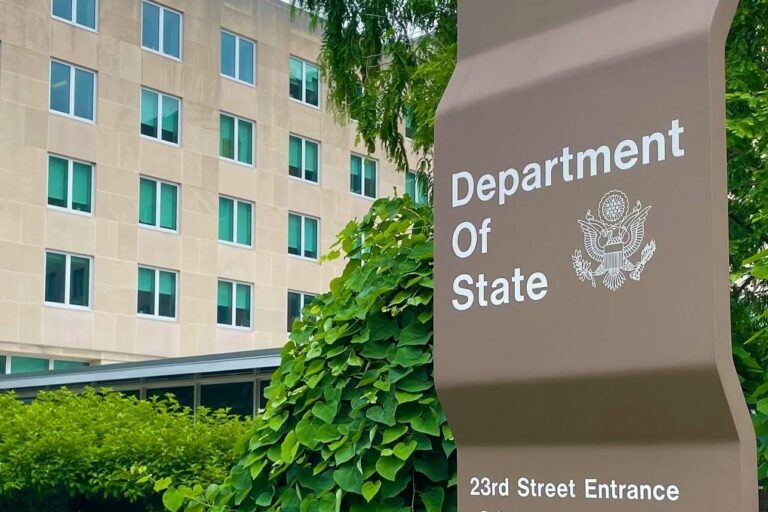
The history of visa policies dates back to the concept of a travel visa, which is a conditional authorization granted by a polity to a foreigner, allowing them to enter, remain within, or leave its territory. According to the World Tourism Organization, the number of tourists requiring a visa before traveling was at its lowest level ever in 2015. However, the Trump administration has made sweeping changes to student and work visa rules, making it harder for companies to recruit foreign professionals through the H-1B visa program.
How It Works
The H-1B visa program allows US employers to hire skilled foreign professionals in specialized occupations. The program has been a key step in the employment-based green card process, but the Trump administration has sought to make it more difficult for companies to recruit foreign professionals. The administration has proposed a $100,000 filing fee for most candidates and stricter rules for the annual H-1B visa lottery, giving preference to companies offering higher salaries.
The Numbers
Illinois alone could lose over $190 million in economic activity this school year due to fewer international students paying tuition, working, and buying things in the state. The Institute of International Education estimates that as many as 111,000 fewer international students will enroll at US colleges and universities for the 2026-27 school year, which could translate to a $3.4 billion loss for the US economy and nearly 40,000 fewer jobs. The US tech sector relies on H-1B visas for 70% of new hires in specialized fields, including AI, cybersecurity, and semiconductor design.
What It Means Now
The current visa processing delays and policy shifts are affecting high-skilled immigration and the US economy. The crackdown on high-skilled immigration programs has led to a decline in international students coming to the US, and those already here face an uncertain future. The situation is also affecting the ability of US companies to recruit foreign professionals, with IBM’s decision to end H-1B visa and green card sponsorship for most consulting roles being a significant blow. As Shivani Dwivedi, an F-1 student visa holder at DePaul University, said, “I came here, and the weird thing was I felt so familiar and so liberated in such different ways. There was no familiarity with people, but it felt so free, so safe.” However, the future she dreamed of is now less certain, and she is not alone in her concerns.
Ashok Kumar, a tech lead at a large corporation, said he’s concerned that more companies could follow IBM’s lead, and the uncertainty is influencing his career decisions and long-term plans. The administration’s crackdown on high-skilled immigration programs has also targeted other major technology companies, with Microsoft, Adobe, and six IT firms already suspended from the Permanent Labor Certification program. As the situation continues to unfold, one thing is certain: the US economy will feel the impact of the declining number of international students and foreign professionals, with Illinois alone risking a loss of over $190 million in economic activity this school year.
By year-end, affected IBM employees will have to decide whether to continue working for the company outside the US or leave it entirely, with no path to permanent residency. As China signals its willingness to extend its 30-day visa-free policy for Slovak citizens through 2027, the US is moving in the opposite direction, making it more difficult for foreign professionals to contribute to the US economy. The number of destinations accessible to Afghan passport holders, for example, is limited to just 22, highlighting the challenges citizens of certain countries face when traveling internationally. As the US continues to restrict high-skilled immigration, other countries are opening their doors, and the US risks losing its competitive edge in the global economy.
Sources
- Visa uncertainty is making it harder for some workers to plan their futures in the US
- Travel visa
- Illinois Could Lose Over $190 million in Economic Activity This School Year Amid Stricter Visa Rules – Featured – Borderless Magazine NFP
- Could China extend its 30-day visa-free policy through 2027?
- IBM to end H-1B visa and green card sponsorship for most consulting roles amid Trump's immigration crackdown — Report | Company Business News
- 10 Weakest Passports in the World in 2026
Photo: Rubaitul Azad / Unsplash (Unsplash License)