DORAL, November 15, 2026 — Councilwoman Maureen Porras says the city attorney blocked her attempt to place the city’s federal immigration agreement on the council agenda, warning that even a public debate could trigger removal proceedings against the entire elected body. The move silences discussion of the 287(g) program that has allowed Doral police officers to act as immigration agents under ICE supervision.
The Program on the Ground
The 287(g) agreement delegates specific immigration enforcement powers to designated local officers. In Doral, that means city police can interrogate detainees about their legal status, issue immigration detainers and begin removal paperwork without a federal agent in the room. The program operates under a memorandum of agreement with ICE, but day-to-day decisions — who gets asked, who gets held — fall to the officers on the street.
Why the Discussion Was Stopped
Porras said she brought the proposal after hearing from residents who wanted a public forum on the city’s cooperation with federal authorities. She was not seeking to terminate the agreement, only to discuss its impact. The city attorney responded with a memo arguing that debating the agreement could be construed as signaling an intent to violate Florida law, which requires local agencies to cooperate with federal immigration enforcement. The memo warned that Attorney General James Uthmeier could move to remove the entire council under that statute.
State Law as Leverage
Florida’s current framework treats any local hesitation on immigration enforcement as a potential legal offense. The attorney’s interpretation effectively equates public deliberation with non-compliance. Porras described the result on CBS Miami’s “Facing South Florida”: the council is “getting blocked from being able to do that” — discuss a policy that residents experience every day.
What Residents See
Doral’s population reached 75,874 in the 2020 census, a city of importers, exporters and families packed into 15 square miles west of Miami International Airport. Since the Trump administration’s return, increased ICE enforcement has rippled through the commercial corridors. Business owners report empty storefronts and families staying home. The fear is not abstract; it is measured in closed doors and missing customers.
Politics in a Trump Stronghold
The city overwhelmingly supported President Donald Trump in the 2024 election. Yet the councilwoman pushing for debate is an elected official in that same majority. The tension reveals a fracture between national voting patterns and the daily reality of a community where immigration enforcement touches neighbors, employees and customers. The mayor-council-manager structure vests legislative power in the mayor and four council members, but the attorney’s memo has effectively removed this issue from their reach.
The Question of Trust
When local police carry federal immigration authority, the line between public safety and immigration enforcement blurs. Residents who might report a crime or a traffic hazard calculate the risk of drawing ICE attention to themselves or others. That calculation changes how 911 gets used, how witnesses cooperate, how communities police themselves. The 287(g) agreement does not just add a task to the department; it reshapes the relationship between the badge and the neighborhood.
What Comes Next
Porras said residents “want to have this discussion in a public forum as well, and unfortunately that is being blocked … before we have it.” The council’s next regular meeting is scheduled for December 3.
Sources
- Doral councilwoman says city officials blocked discussion of ICE agreement over fears of state retaliation
- Doral, Florida
- Two Developers Propose 224-Unit 'Doral Gardens' for Miami-Dade County – Florida YIMBY
- Miami election official who already said GOP candidate won can help with recount, court rules
- Florida’s red wall is cracking, but Democrats are missing their chance
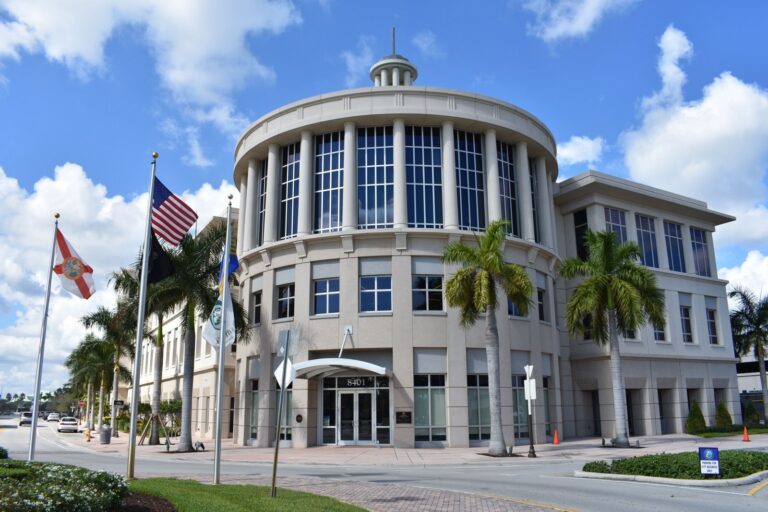
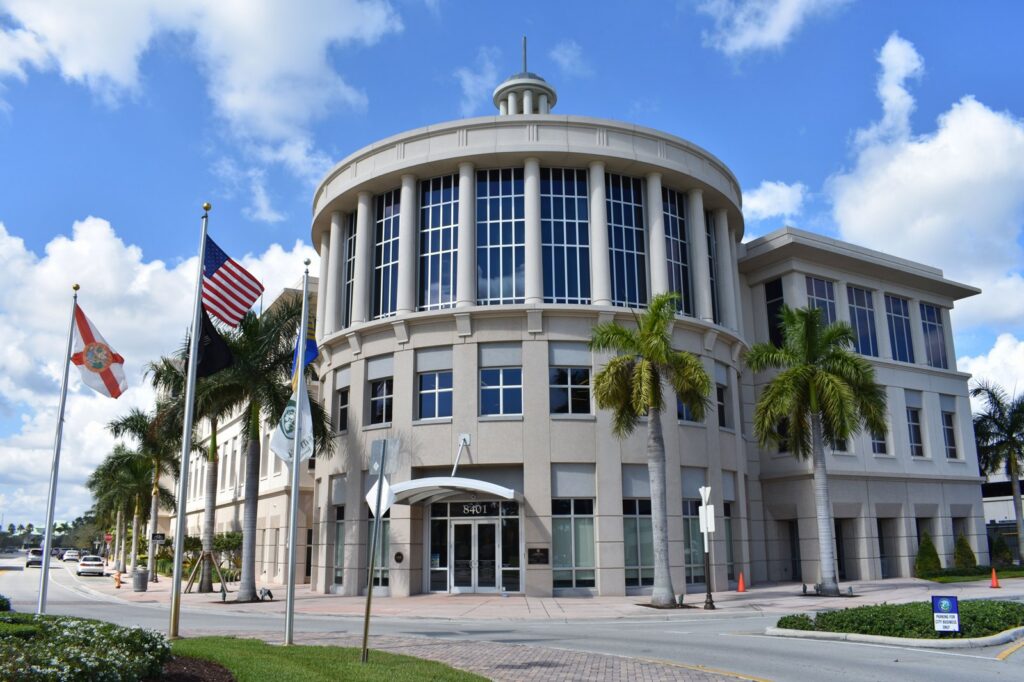
Photo: Tamanoeconomico (CC BY-SA 4.0)