
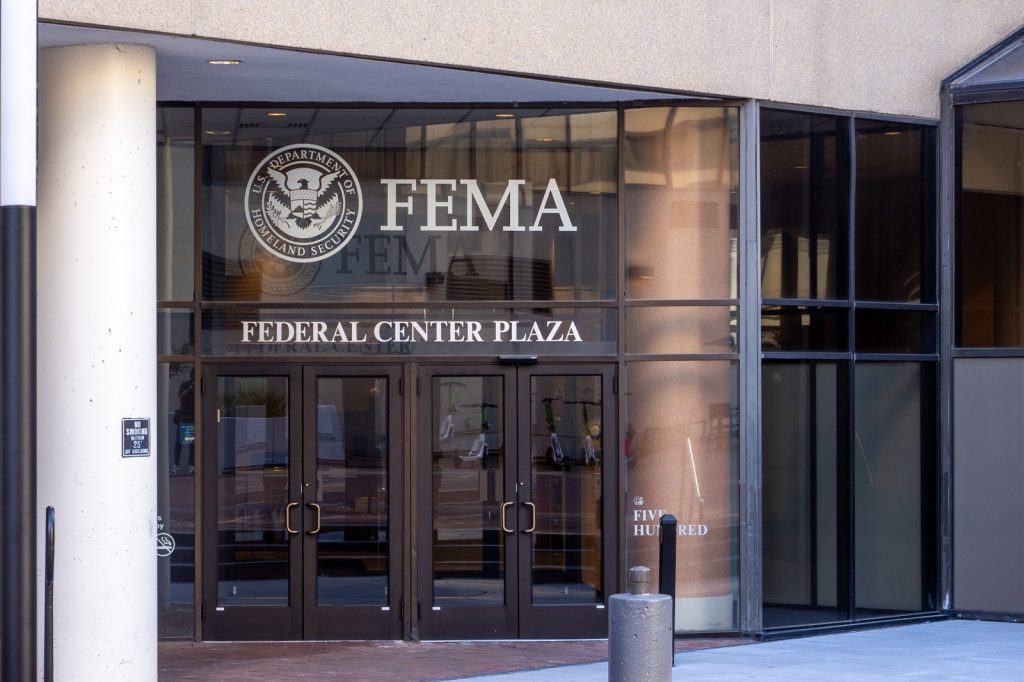
On August 11, 2023, President Joe Biden issued an executive order that directs federal assistance to state and local governments engaged in disaster recovery across the United States. The directive establishes a formal channel for the deployment of federal resources—funding, equipment, and technical expertise—to municipalities that lack the capacity to rebuild after severe weather events, wildfires, floods or other environmental crises.
The order underscores a long‑standing pattern in American history: presidential authority expands and contracts in response to the challenges of each administration. Franklin D. Roosevelt broadened the executive branch to drive New Deal recovery, while George W. Bush consolidated power after the September 11 attacks. Biden’s latest move adds to that legacy by explicitly stating that the federal government will not leave states and cities to manage large‑scale recovery on their own.
Disaster recovery is inherently costly and time‑intensive. Small towns often lack heavy machinery, specialized knowledge, and the financial reserves required to restore infrastructure quickly. By tapping into the federal budget and nationwide logistical networks, the Biden administration aims to fill those gaps. The order signals to governors and mayors that Washington is prepared to supply the necessary support, rather than merely offering ad‑hoc assistance.
Historically, presidents have used their constitutional powers to marshal the executive branch for national problems—a practice dating back to George Washington’s inauguration in 1789. What distinguishes today’s context is the frequency and magnitude of climate‑related events, which repeatedly strain state coffers and local emergency services. Biden’s decision reflects an acknowledgment that the traditional model—where states largely shoulder disaster response—has become insufficient.
Beyond immediate relief, the order highlights a longer‑term strategy: integrating sustainable practices into the rebuilding process. The language of the directive points to opportunities for renewable energy adoption, stricter building codes tied to funding, and upgrades to power grids that can withstand future heat waves. Examples such as installing solar panels on reconstructed community centers illustrate the intent to “build back better,” reducing vulnerability to subsequent disasters.
Critics of expanded federal involvement argue that such aid could foster dependence, insisting that states should resolve their own emergencies. However, the report accompanying the order notes that modern environmental recovery is complex and requires coordination across multiple levels of government. No single tier possesses all the tools needed, and cooperation is presented not as a sign of weakness but as pragmatic governance.
The executive order reaffirms the presidency’s role as a powerful conduit for mobilizing resources. Once activated, agencies can dispatch personnel, release funds, and award contracts, leveraging a system refined over more than two centuries. The effectiveness of the initiative will hinge on swift implementation, targeted distribution, and vigilant oversight to avoid waste or delays that could erode public confidence.
Looking ahead, the commitment articulated in the order positions the federal government as an active partner rather than a distant observer in the recovery of affected communities. For municipalities grappling with the aftermath of disasters, this partnership could mean the difference between a recovery timeline measured in years versus one stretched into decades.




