Mick Mulvaney is heading back to Capitol Hill, and the questions are already stacking up: how will a founder of the House Freedom Caucus navigate the legislative fights over flight disruptions and immigration enforcement? His return brings a track record of fiscal hardball and executive-branch combat to a chamber bracing for conflict.
The Freedom Caucus Legacy And Legislative Style
Mulvaney served in the U.S. House of Representatives from 2011 to 2017. He was a founding member of the House Freedom Caucus alongside Jim Jordan, Mark Meadows, and Ron DeSantis. Former Speaker John Boehner once described Jordan as a “legislative terrorist,” telling CBS News in 2021, “I just never saw a guy who spent more time tearing things apart — never building anything, never putting anything together.” Mulvaney helped build that same caucus, a bloc defined by its willingness to shut down the government rather than compromise on spending.
On the ground in the early 2010s, residents describe a congressman who wore the “Shutdown Caucus” label as a badge of honor. The New York Times reported Mulvaney took a hard line on spending during the Obama administration, vowing not to raise the debt limit and embracing the term because of his willingness to shut the government down instead. That legislative style — combative, procedural, and rooted in a narrow view of fiscal discipline — is the baggage he carries back into the chamber.
Fiscal Conservatism Versus Trump-Era Deficit Expansion
The tension between Mulvaney’s rhetoric and his record is sharp. As a congressman, he was known for his support of fiscal conservatism and a willingness to shut down the government. Yet during his tenure as director of the Office of Management and Budget from 2017 to 2020, the federal deficit expanded significantly. The increases were driven by both the 2017 tax cuts and spending hikes, and they were unusually high for a period of economic expansion. Critics on the ground noted the dissonance: the same lawmaker who threatened default under a Democratic president oversaw a swelling deficit under a Republican one.
Past Regulatory Battles At The CFPB
Mulvaney served as acting director of the Consumer Financial Protection Bureau from November 2017 to December 2018. A staunch opponent of the bureau while in Congress, his tenure resulted in a significant reduction of the agency’s enforcement and regulatory powers. He scaled back investigations, dropped lawsuits, and rewrote rules on payday lending. The scene at the bureau shifted overnight; staff described a climate of uncertainty as the agency’s mission was effectively inverted from the top down.
Navigating Current Flight And Immigration Oversight
Now, as he returns to the legislative arena, Mulvaney faces a different set of oversight challenges. Flight disruptions have drawn congressional scrutiny, and immigration enforcement remains a flashpoint. His history suggests a hardline approach: as a Freedom Caucus founder, he aligned with the Tea Party movement, opposed the Affordable Care Act, and resisted gun control initiatives. In 2019, while serving as acting White House chief of staff, he confirmed at a press conference that the administration withheld military aid to Ukraine pending an investigation into 2016 election hacking theories. That willingness to use leverage — whether budgetary or diplomatic — signals how he may approach legislation touching on transportation security or border funding.
The Shift From Executive Branch To Legislative Pitbull
Mulvaney’s path back to Congress runs through the West Wing. He served as acting White House chief of staff from January 2019 until March 2020, succeeding John Kelly and preceding Mark Meadows. He resigned as U.S. special envoy for Northern Ireland on January 7, 2021, following the storming of the U.S. Capitol. In the years since, he worked as an on-air contributor for CBS News, NewsNation, and CNBC. His hiring at CBS stirred controversy inside the network over his history of promoting false claims and attacking the press. By nightfall on his first day back in the House, the dynamic will be familiar: a legislator who knows the levers of the executive branch, now turning them against the administration from the other side of Pennsylvania Avenue.
Sources
- Mick Mulvaney
- ANALYSIS | Republicans pick a leader once called a 'legislative terrorist' by their own House Speaker | CBC News
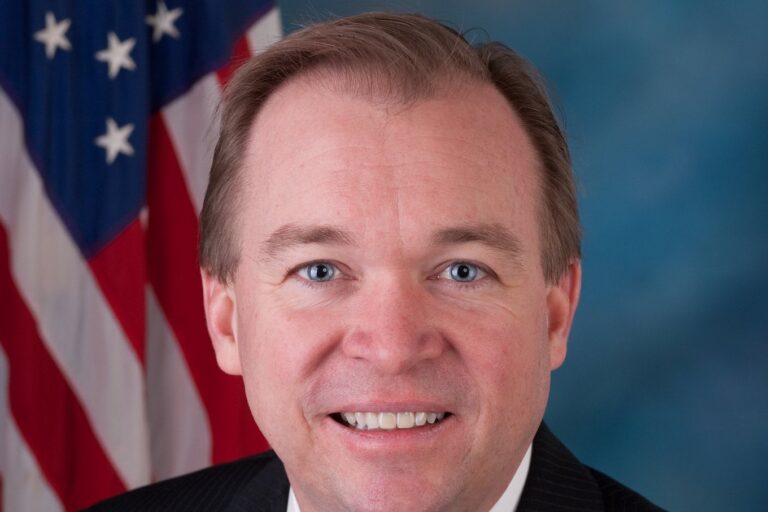
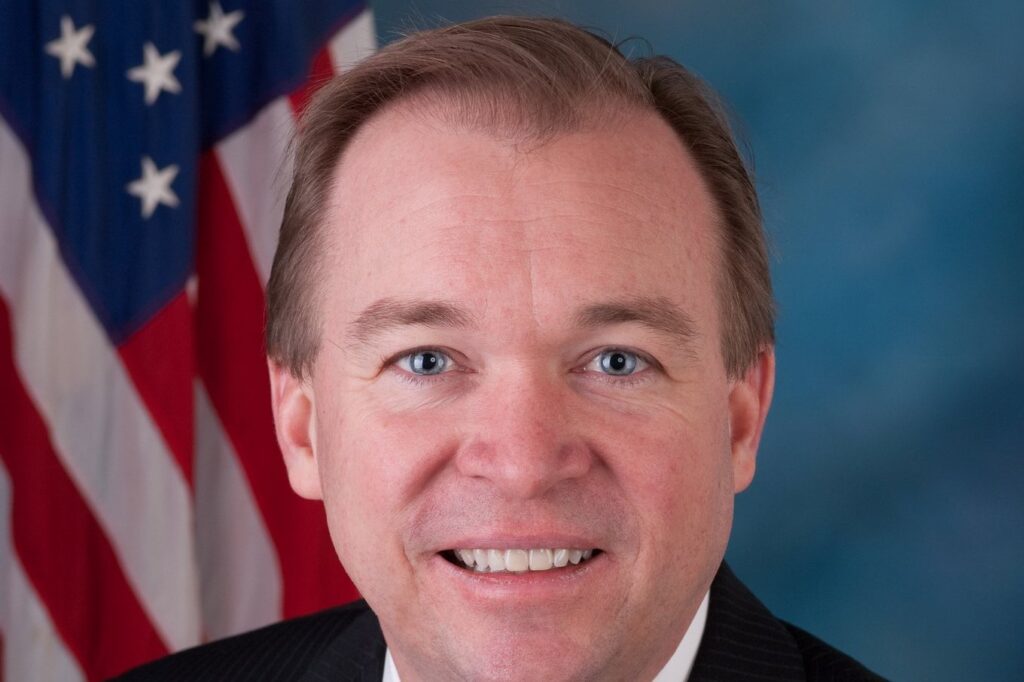
Photo: US House of Representatives (Public domain)