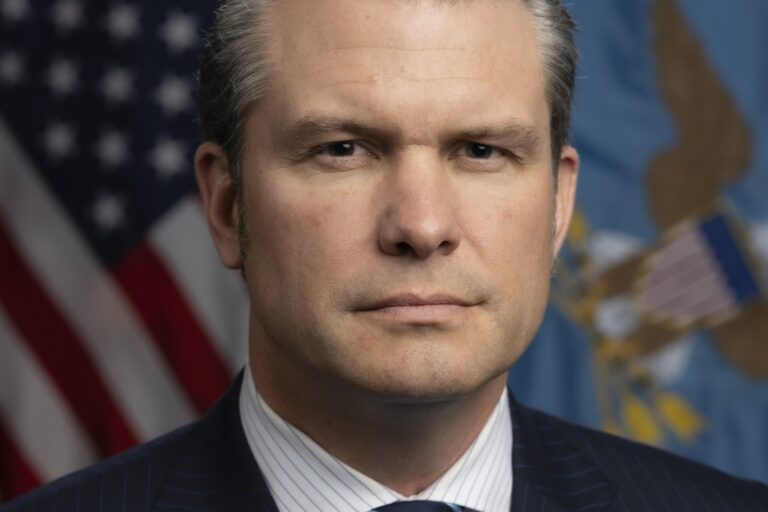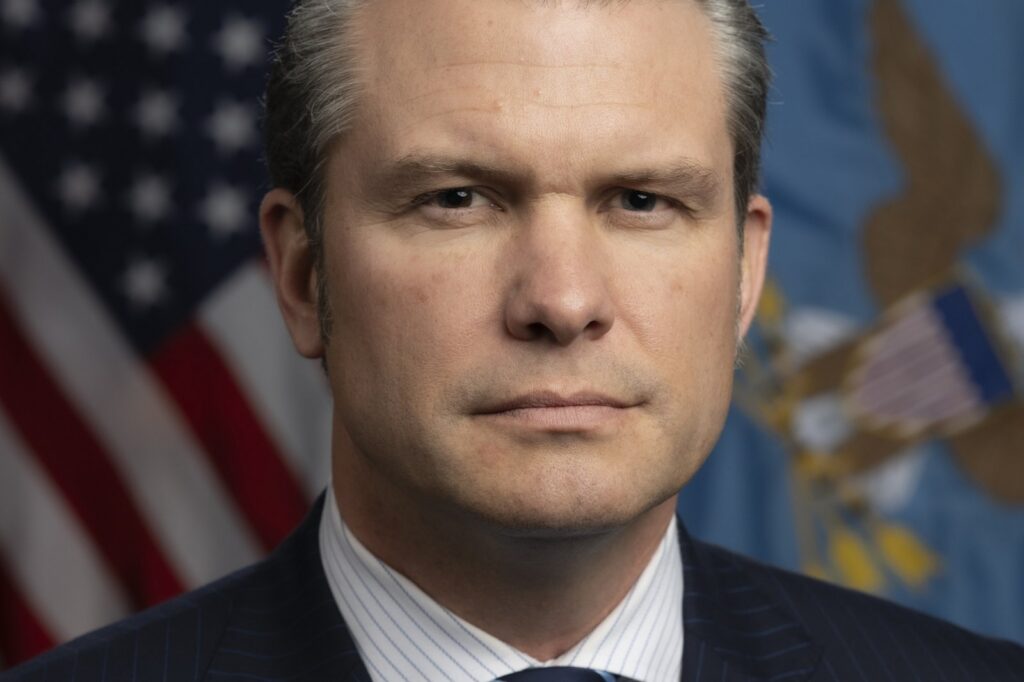
CARACAS, November 18, 2026 — U.S. Defense Secretary Pete Hegseth arrived in Caracas on Wednesday to announce a military cooperation agreement with Venezuela’s interim President Delcy Rodríguez, reestablishing defense ties severed for years. The unannounced visit, broadcast on Venezuelan state television, marks the most concrete step yet in a rapid realignment that began after U.S. forces captured former President Nicolás Maduro in January.
A Handshake at Miraflores
The scene at Miraflores Palace carried the weight of a decade’s hostility collapsing in a single morning. Hegseth stood beside Rodríguez, a leader who once denounced U.S. “imperialism” from this same balcony, and described the pact as a return to a long-shared history. “We see this as a reestablishment of our defense partnership,” he said. Rodríguez, speaking to reporters afterward, called for “technical‑military cooperation…at its highest possible level” to address what both sides labeled common threats.
The agreement covers training exchanges and intelligence sharing, though the Pentagon has released no operational details. Residents describe a city where the news feels abstract against the daily grind of power cuts and inflation, but the symbolism is unmistakable: the American defense secretary, the Venezuelan interim president, and a shared pledge to hunt “foreign actors and narco‑terrorists” together.
From Sanctions to Shared Operations
The shift is dizzying in its speed. For years, Washington squeezed Caracas with sanctions, recognized opposition leaders, and branded the Maduro government a narco‑state. Then came the January 3 raid — U.S. Special Operations Forces seizing Maduro from the presidential palace — and the installation of Rodríguez, his longtime vice president, as interim leader. Since then, a parade of Trump cabinet officials has passed through Caracas: Energy Secretary Chris Wright, Interior Secretary Doug Burgum, CIA Director John Ratcliffe, and now Hegseth.
On the ground, the military cooperation is already visible. Since September 2025, U.S. forces have destroyed alleged drug‑trafficking boats in the Caribbean and Eastern Pacific and interdicted at least eight “floating refueling stations” off Ecuador, according to Pentagon figures. American service members have embedded with Ecuadorian units for ground raids against traffickers. The new Americas Counter Cartel Coalition, branded under the Shield of the Americas initiative, now extends its architecture to include Venezuelan ports and airspace.
Resources Beneath the Rhetoric
Hegseth was explicit about the economic dimension. “The incredible resource capabilities that your country has,” he told Rodríguez, “we look forward to unlocking together with you.” Venezuela holds the world’s largest proven oil reserves and significant deposits of critical minerals. U.S. officials link the security partnership directly to those assets. Since January, the Trump administration has controlled Venezuela’s oil export revenue — at least $12.11 billion through a Treasury‑overseen account, according to a State Department report released last week. Critics, including Public Citizen’s Tyson Slocum, say the accounting lacks transparency on who receives the funds.
Chevron has already committed $7 billion over five years to double its Venezuelan output. ExxonMobil, which left after nationalization two decades ago, is researching a return. The petroleum law overhaul under Rodríguez allows private operators to run fields and take disputes to international arbitration — changes that arrived alongside the military reset.
Regional Calculus
The partnership reshapes security calculations across the hemisphere. Colombia and Brazil, long accustomed to a destabilized neighbor, now face a Venezuela integrated into a U.S.-led security framework. The A3C coalition gives Washington a multilateral veneer for what remains a bilateral power projection. By nightfall in Caracas, the state TV broadcast looped the handshake, but the practical test comes next: whether Venezuelan units can absorb U.S. training and intelligence without fracturing along old loyalty lines, and whether the resource deals translate into electricity for Valencia’s furniture stores and beyond.
Hegseth met Tuesday with Gen. Francis Donovan at Southern Command headquarters in Florida before flying south. The next scheduled engagement: a bilateral military working group set to convene in December to define training cycles and intelligence protocols.
Sources
- Venezuela
- ExxonMobil eyes Venezuela return as reality tests Trump's oil deal promises
- Venezuela’s Collaborator-in-Chief
- ‘Zero transparency’: Inside Trump’s plans for Venezuela’s oil money
- Hegseth Tells Venezuelan President He Wants to Unlock Its Resources
- Hegseth meets with Delcy Rodríguez in Venezuela to deepen military partnership
Photo: U.S. Department of Defense (Public domain)