
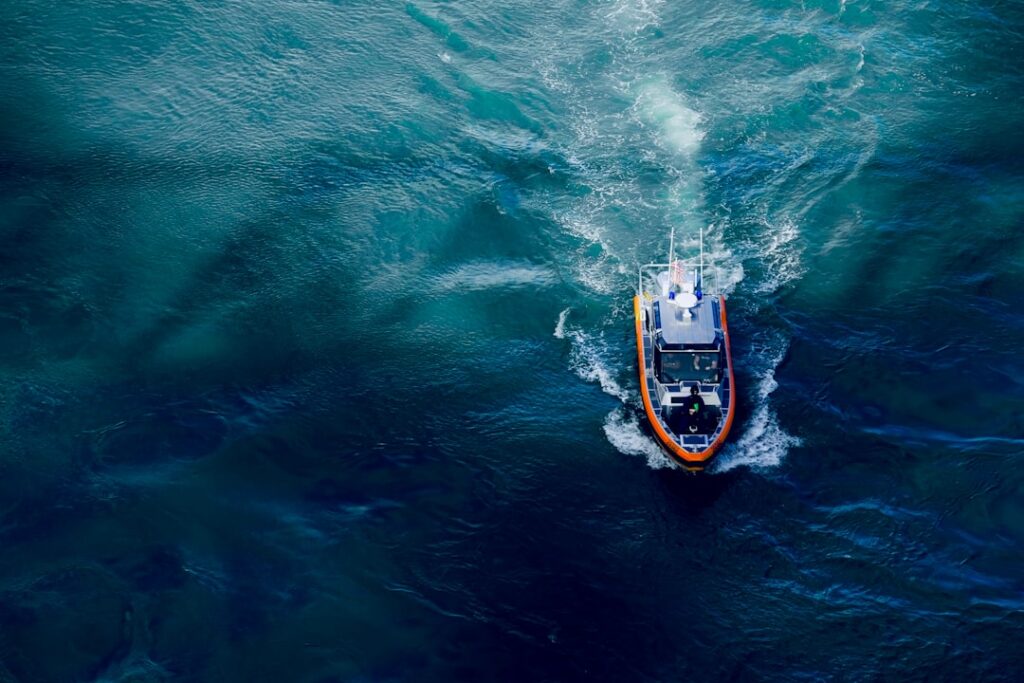
The Canary Islands, located roughly 100 kilometres off the coast of Africa, have once again become the scene of a maritime tragedy. A small, overloaded boat that set out from the western African shore sank in the Atlantic, leaving a minimum of 35 people missing. No details have been released by Spanish authorities regarding the exact cause of the incident, whether the vessel struck a rock, was overwhelmed by a wave, or simply fell apart.
What is clear is that the passengers were attempting to reach Europe via the archipelago, a common first point of entry for migrants departing from Morocco or Mauritania. The route is notoriously perilous: flimsy dinghies make the crossing in conditions that can last several days, and capsizing or drowning are frequent outcomes.
The Canary archipelago—comprising Tenerife, Gran Canaria, Fuerteventura and four other islands—hosts a population of about 2.27 million people. As an overseas special territory of the European Union, the islands are legally part of Spain and the EU, and thus subject to EU migration policy. Their proximity to Africa, however, makes them a frequent landing spot for those seeking a foothold in Europe.
Each sinking adds pressure to the islands’ already strained infrastructure. Local rescue services, reception centres and medical facilities are repeatedly called upon to respond to emergencies, and the cumulative effect of repeated tragedies is evident in the community’s capacity to cope.
Families in West African villages await news that may never arrive, while officials in Spain and the broader European Union continue to tally the missing and issue statements. The incident underscores a pattern that has persisted for years: despite the availability of resources within the EU, the number of deaths and disappearances at sea remains high. Human‑rights groups argue that the EU could mitigate such losses by expanding search‑and‑rescue operations, establishing safer legal migration pathways, and addressing the root causes—poverty, conflict and climate‑driven displacement—that compel people to embark on dangerous journeys.
Critics contend that insufficient action has been taken, and the latest sinking serves as a stark illustration of that shortfall. Beyond the immediate humanitarian concerns, the archipelago’s fragile environment faces additional stress.
The influx of migrants and the infrastructure built to manage arrivals place pressure on natural resources and biodiversity. While some reports suggest the Canary Islands have the potential to become a model for sustainable development, particularly in renewable energy, the ongoing crisis diverts attention and funding away from long‑term planning. At present, the missing count stands at 35, a figure that may increase as the sea often releases further victims over time.
While authorities continue investigations, the next boat is already expected to leave the African coast, its passengers aware of the risks yet driven by circumstances that leave few alternatives. The tragedy off the Canary Islands highlights a persistent dilemma: a geographic gateway that offers hope for a new life in Europe, but also a deadly trap for those who attempt the crossing in unsafe vessels.
As the region grapples with the human cost, the broader European community faces renewed calls to reassess migration policies and invest in measures that could prevent future loss of life.




