Voters deciding control of Congress are weighing grocery bills, business costs and immigration policy as campaigns make their final push. NPR’s Morning Edition visited six pivotal states during October, speaking with residents across political divisions about the choices before them.
The reporting took Leila Fadel to Maine, A Martínez to Texas, Steve Inskeep to North Carolina and Georgia, and Michel Martin to Ohio and Michigan. Their conversations show how national arguments become personal at a hardware store, a daycare or a high-school football game.
Household costs test party loyalties
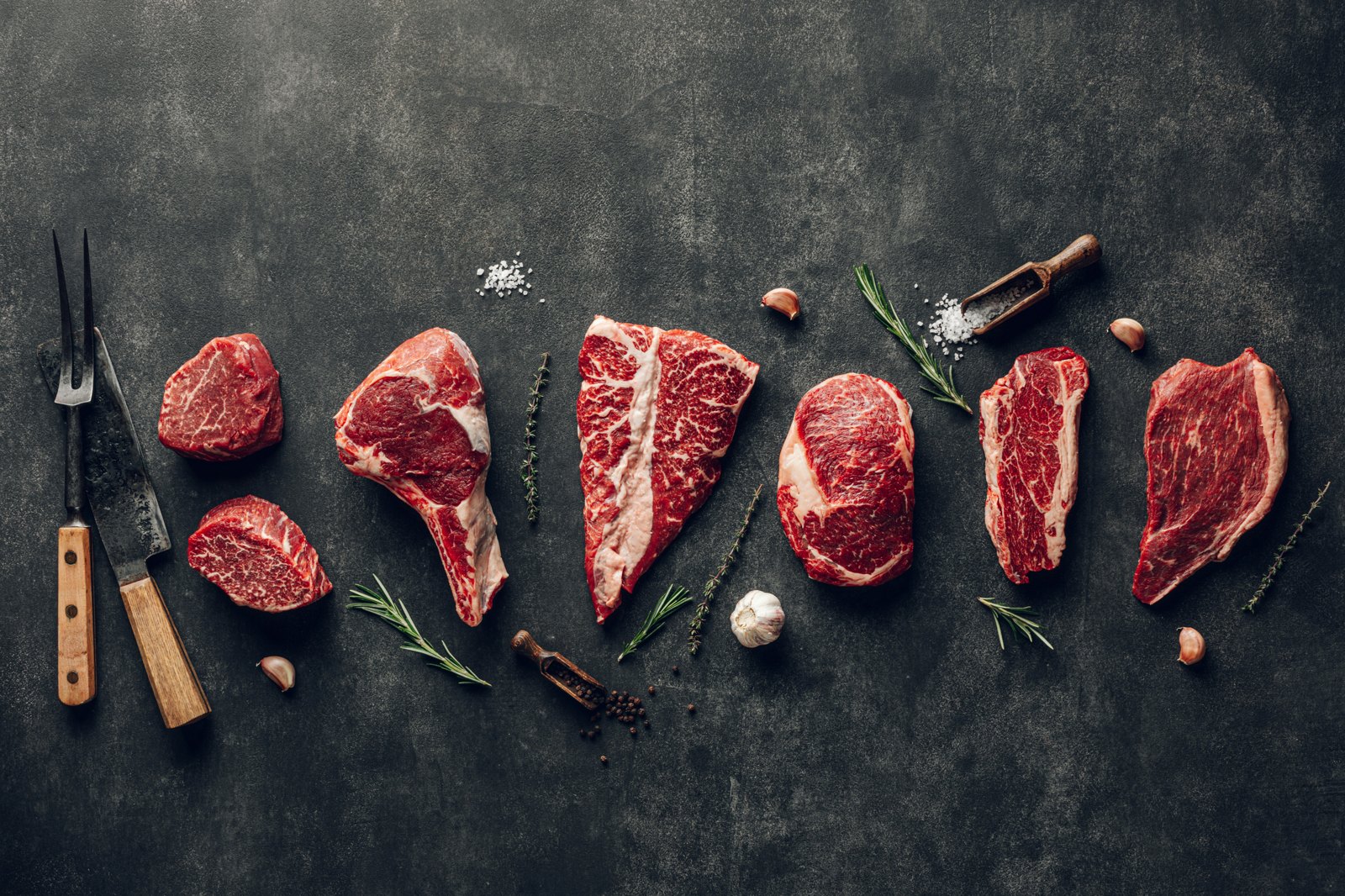
In Texas, Martínez examined the rising price of beef and its effect on residents, farmers and business owners. He met Republican voter Marlene Escucha while her daughter played flute at a game in San Antonio. Escucha said she was dissatisfied with her party’s performance and was weighing its conduct against her Republican values.
Ryan Dunlap, a conservative voter running a hardware store in rural Stokes County, North Carolina, told Inskeep that rising prices concerned him. He generally associated business ownership with conservative politics but said the candidates still required an individual decision.
In Michigan, voters told Martin that tariffs were affecting their businesses and daily lives. Many described exhaustion with the political system. The Senate contest there pits Democrat Abdul El-Sayed against Republican former congressman Mike Rogers for a seat Democrats have held for 12 years, in a state Donald Trump narrowly carried in 2024.
Immigration’s presence behind closed curtains
Fadel said she could not forget an Angolan mother and daughter seeking asylum who operate a daycare in Lewiston, Maine. They had kept their curtains closed for months to avoid attention as Immigration and Customs Enforcement operated nearby.
Maine backed Kamala Harris by a clear margin in 2024, but Republican Senator Susan Collins is seeking a sixth term against Democrat Troy Jackson, a former logger and state legislator. Fadel found that some voters were motivated more by opposition to the incumbent than enthusiasm for her challenger.
Ohio’s changing political geography
Ohio backed every winning presidential candidate from 1964 through 2016 before breaking that streak in 2020. Kevin Spiker, an Ohio University political scientist, traced much of its Republican shift to eastern counties including Mahoning, Belmont, Monroe and Jefferson.
Steel and coal unions once tied those communities to Democrats. Spiker said voters came to believe the party no longer supported pro-labor priorities, while disputes over fracking and coal regulation helped Republicans convert former Democratic strongholds into sizable majorities.
Early numbers unsettle Arizona Republicans
Garrett Archer, an ABC 15 Arizona analyst, shared an Election Day message from an unnamed Republican analyst: “God all my models are already projecting doom. And it’s 8am.”
Democratic Governor Katie Hobbs held a single-digit polling lead over Republican Representative Andy Biggs. In Arizona’s 1st Congressional District, Democrat Amish Shah led Republican Jay Feely by four points in a Keating Research survey conducted the previous month.
Early voting was 8.2 points more Democratic than in 2024, according to On Point Politics. On a private Republican call reported by the Arizona Mirror, lieutenant-governor candidate Warren Petersen said the party needed R+10 but was at R+1.2, adding: “The real issue is that the Dems are front loading very well.”
Polls and early-vote patterns are not results. They do, however, frame the final turnout effort in contests expected to determine narrow House and Senate majorities.
Sources
- For swing state voters, the cost of living and immigration remain key concerns
- Swing state
- Can Ohio become a swing state again?
- Leaked Texts Expose GOP in Key Swing State Bracing for Disaster
- The candidates who will decide the US midterm elections
- Republican Panics Over Own Projections in Swing State
Photo: MONUSCO Photos (CC BY-SA 2.0)