WASHINGTON, DC, November 4, 2026 — Democrats have secured control of both chambers of Congress following the midterm elections, handing the party its first unified legislative majority in years. The American Immigration Lawyers Association (AILA) is urging the new majority to translate campaign promises into concrete legislative action.
The Shift in Congressional Control
The 2026 midterms produced a divided government for the final two years of President Donald Trump’s second term, with Democrats capturing the House and Senate. AILA President Jeff Joseph said the results offer a chance to “replace chaos with accountability and political posturing with practical solutions.” The association is pressing lawmakers to use oversight and legislative authority to administer immigration laws lawfully while beginning bipartisan work on a modern system. AILA Executive Director Ben Johnson argued the false choice between enforcement and fairness has paralyzed the system for too long, asserting the country can have an orderly border, due process, and legal pathways that meet economic needs simultaneously.
A History of Gridlock
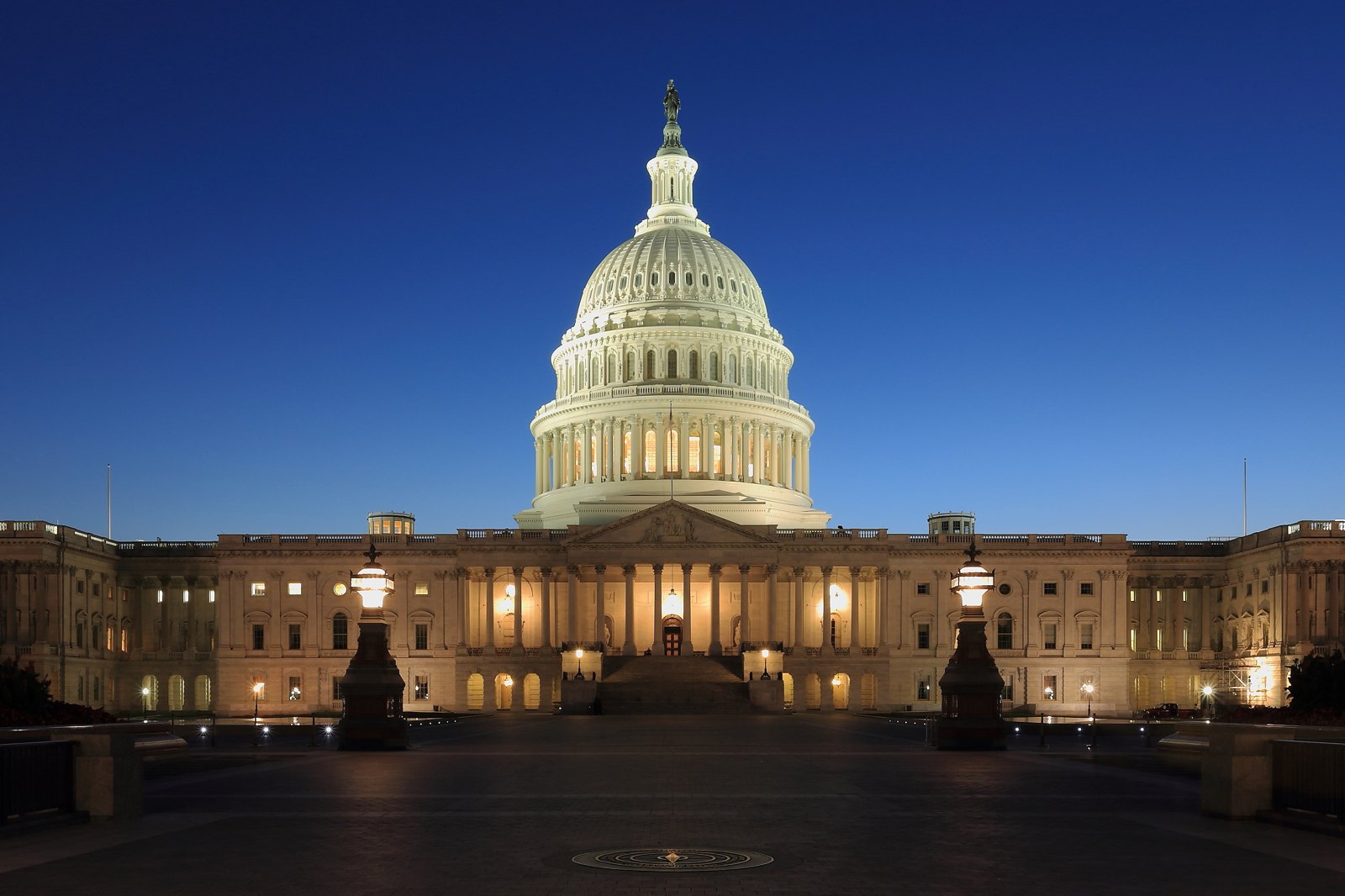
The new majority inherits a graveyard of prior efforts. Comprehensive immigration reform died on Capitol Hill in 2006, 2007, and 2013, leaving a 13-year legislative vacuum. For three decades, the Democratic Party struggled to develop and pass new immigration policies, ceding voter trust on the issue to Republicans for much of that period. Representative Gabe Vasquez of New Mexico argued both parties share the blame, noting that even when Democrats held a Senate supermajority during the Obama administration, they put immigration on the back burner. Vasquez cited a 16-year wait for his grandmother’s family visa as evidence of a system that punishes legal applicants while creating perceptions of unfairness.
Proposed Reforms: Modernization and Legal Pathways
AILA’s reform blueprint identifies five priorities: restoring public trust through independent oversight, ensuring proportional enforcement, creating solutions for longtime residents, modernizing legal immigration for the economy and families, and streamlining the asylum system. Vasquez has introduced the Care Worker Visa Act, which would open 100,000 new visas for caregivers to address shortages in childcare, elder care, and disability services. He framed the bill as a common-sense measure Republicans and Democrats could support to lower costs for families. Senator-elect James Talarico of Texas, who flipped a seat held by Republicans since 1988, said Congress must create more legal pathways for immigrants seeking to enter the United States. He expressed interest in working with President Trump on comprehensive reform that includes border security, crediting the administration with doing a better job securing the border than its predecessor.
Economic Imperatives from the Business Sector
The restaurant industry, the nation’s second-largest private employer with 15.7 million workers across nearly one million locations, is lobbying aggressively for reform. The National Restaurant Association argues that comprehensive reform is essential to protecting the existing workforce, updating the work visa system, and building a modern framework for future hiring. Nearly one in four restaurant workers is an immigrant, according to the association, making the sector acutely sensitive to federal policy. President and CEO Michelle Korsmo said 42 percent of operators were unprofitable in 2025 and customer traffic has softened. She argued that immigration reform, alongside credit card competition and stable trade policy, is necessary to manage operating costs and keep dining affordable for consumers.
Prospects for Bipartisan Cooperation
Talarico’s outreach signals a potential opening. The Texas Democrat said he is ready to work with Trump on immigration, housing, energy costs, and criminal justice reform, rejecting political retribution in favor of delivering results. Trump endorsed Talarico’s opponent, Attorney General Ken Paxton, but spoke with Fox News on election night signaling a willingness to engage with the new landscape. However, the National Restaurant Association cautioned that reaching agreement with a Republican administration may prove difficult even with a Democratic Congress. The calculus now rests on whether the White House views legislative compromise as a strategic asset or a political liability.
Sources
- AILA Calls on New Congressional Majority to Seize Opportunity to Work Toward Meaningful Immigration Reform to Build American Prosperity
- Democrats are the unwitting beneficiaries of Trump’s immigration policies
- Gabe Vasquez says he would work on fixing immigration reform and Iran War costs if re-elected
- Texas Senate victor James Talarico lays out common ground with Trump, vows to 'work together'
- What the 2026 midterm results could mean for restaurants
- National Restaurant Association: New Congress Has a Clear Opportunity to Deliver for America's Restaurants – AOL
Photo: CBP Photography (Public domain)