
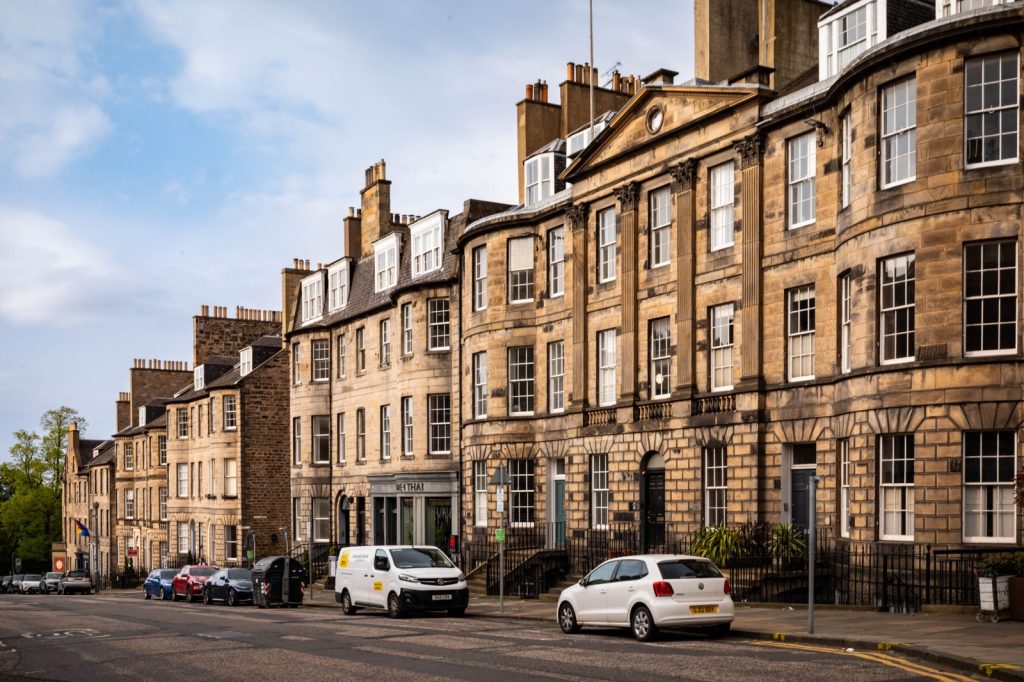
EDINBURGH, July 7 — A proposed “mansion tax” from the Scottish National Party is facing sharp criticism from opponents who warn it could spook wealthy investors and send ripples through Scotland’s entire property market. The tax would target homes valued at over £2 million, slapping owners with annual bills of up to £7,650. That is a steep jump from what those properties currently pay under the highest council tax band, Band H.
In plain terms, think of it like a luxury surcharge on real estate — one that critics argue could make Scotland a less attractive place for the ultra-wealthy to park their money. The practical upshot, according to opponents quoted by the Scottish Daily Mail on July 6, is that high net worth individuals may simply choose to relocate or stop buying property in Scotland altogether.
That could slash demand for high-end homes, and here’s where the knock-on effect comes in: when the top of the market softens, it can drag down property values across all price ranges. So the concern isn’t just about mansions — it’s about what happens to the family home in Edinburgh or Glasgow when the whole market loses its upward momentum. ## The mechanics of the tax So how does this work? The SNP’s proposal effectively creates a new tier above the existing council tax bands.
Right now, homes in Band H — the highest band — pay a set amount. Under the new plan, properties worth more than £2 million would face a separate, higher charge.
The maximum annual bill would be £7,650, a figure that represents a significant increase from current levels. ## What opponents are saying The Scottish Daily Mail’s July 6 report laid out the core argument against the tax: that wealthy individuals and investors, faced with a new annual charge of thousands of pounds, may decide Scotland is no longer worth the hassle. They might sell up and move to jurisdictions with lighter tax burdens, or simply choose not to buy in Scotland in the first place.
That’s not just a problem for sellers of luxury homes. The broader Scottish economy relies on high net worth individuals for everything from job creation to charitable giving to spending at local businesses. If those people leave, the effects could be felt far beyond the property market.
Opponents also warn that the tax could disrupt the market at every level. Here’s the logic: when demand for high-end homes dries up, prices at the top fall.
That in turn affects the prices of homes just below that tier, and so on down the chain. A mansion tax, in this view, isn’t a narrow levy on the rich — it’s a policy that could depress property values for everyone. ## The broader economic stakes This isn’t just about council tax bills. Scotland has been trying to position itself as a competitive destination for business and investment, particularly after Brexit reshaped the UK’s economic landscape.
A tax that specifically targets the wealthy could undercut those efforts. The SNP has not yet responded publicly to the criticism, and the proposal remains just that — a proposal.
But the debate highlights a familiar tension: how do you tax wealth without driving it away? Scotland’s property market, like any other, depends on confidence. If buyers believe the tax environment is hostile, they’ll look elsewhere.
The practical upshot for ordinary Scots could be a slower market, falling home values, and a weaker economy. ## What to watch next The Scottish Daily Mail’s report, published July 6, sets the stage for what is likely to be a heated political battle. The SNP will need to decide whether to push ahead with the tax or modify it in response to the backlash. Meanwhile, property industry insiders will be watching for any signs that wealthy buyers are already pulling back.
For now, the mansion tax is a proposal — not law. But the warnings from critics are clear: if it goes through, the effects could be felt in every corner of Scotland’s property market, from the grandest estate to the modest suburban semi.




