
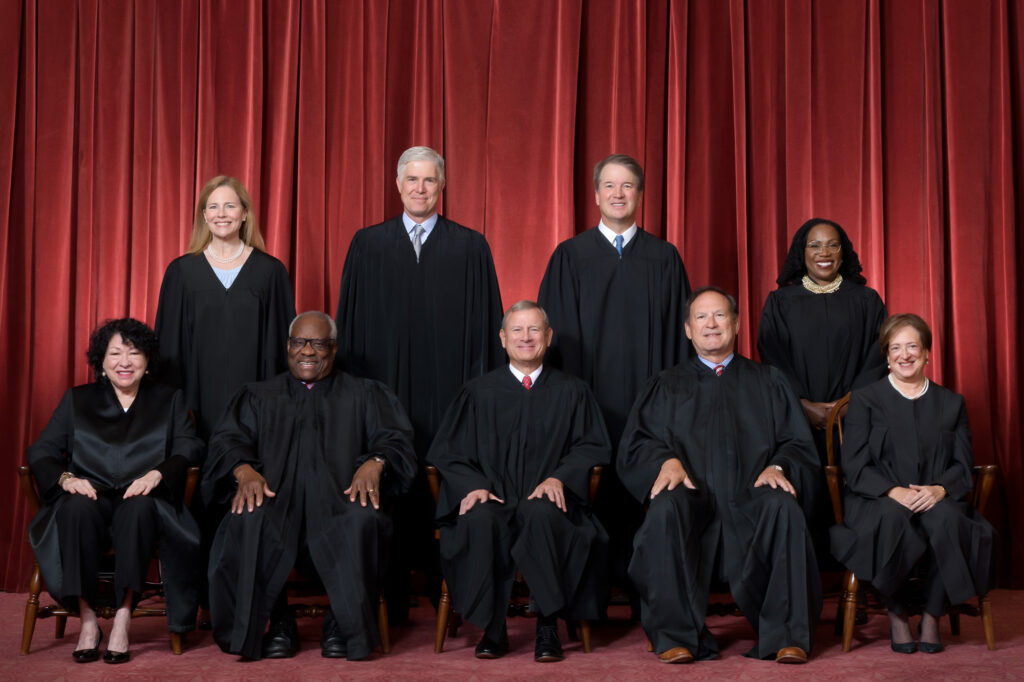
WASHINGTON, July 5 — On the ground outside the Supreme Court this afternoon, the building stands quiet. The marble steps are empty. But the legal earthquake that rumbled out of this chamber three weeks ago is still sending shockwaves through the country.
On June 15, the Court ruled 6-3 to uphold birthright citizenship, rejecting Texas’s challenge to the 14th Amendment’s Citizenship Clause. The decision has immediate effect, blocking any state-level efforts to deny citizenship to U.S.-born children of non-citizens.
The case, United States v. Texas, No. 24-123, was filed in 2024 by the state of Texas. The plaintiffs argued that children born in the U.S. to undocumented immigrants are not “subject to the jurisdiction” of the United States and thus not entitled to birthright citizenship.
The Court heard oral arguments on March 12, 2025. Chief Justice John Roberts wrote the majority opinion.
The decision cited the 1898 precedent United States v. Wong Kim Ark and rejected the state’s argument. The case drew amicus briefs from 20 states, immigrant rights organizations, and legal scholars.
By nightfall on the day of the ruling, the practical effect was clear: no state legislature, no governor, no local official could move to strip citizenship from children born on U.S. soil to non-citizen parents. Residents describe a palpable shift in mood among immigrant communities in the capital since the decision landed. The sense of legal vulnerability that hung over families for more than a year has eased, at least for now.
But the fight is not over. Legal scholars who filed amicus briefs on both sides are already watching for new challenges that might test the boundaries of the Court’s holding.
The 6-3 split fell along familiar ideological lines, with the majority drawing on the 1898 precedent United States v. Wong Kim Ark to anchor its reasoning. That case, decided more than 125 years ago, established that a child born in the United States to Chinese immigrant parents was a U.S. citizen under the 14th Amendment.
The Court in United States v. Texas held that precedent stands.
What comes next is uncertain. The ruling is final, but the political and legal currents that produced this challenge have not disappeared. The question now is whether the decision settles the matter or merely pauses a longer argument over who belongs in America.
{“@context”: “https://schema.org”, “@type”: “NewsArticle”, “headline”: “Supreme Court Upholds Birthright Citizenship In 6-3 Ruling”, “description”: “WASHINGTON, July 5 — On the ground outside the Supreme Court this afternoon, the building stands quiet. The marble steps are empty. But the legal…”, “datePublished”: “2026-07-05T09:30:00+00:00”, “author”: {“@type”: “Person”, “name”: “Isabella Moore”}, “publisher”: {“@type”: “Organization”, “name”: “InfoPulse Today”, “url”: “https://newsfeed.2bme.xyz/”}}




