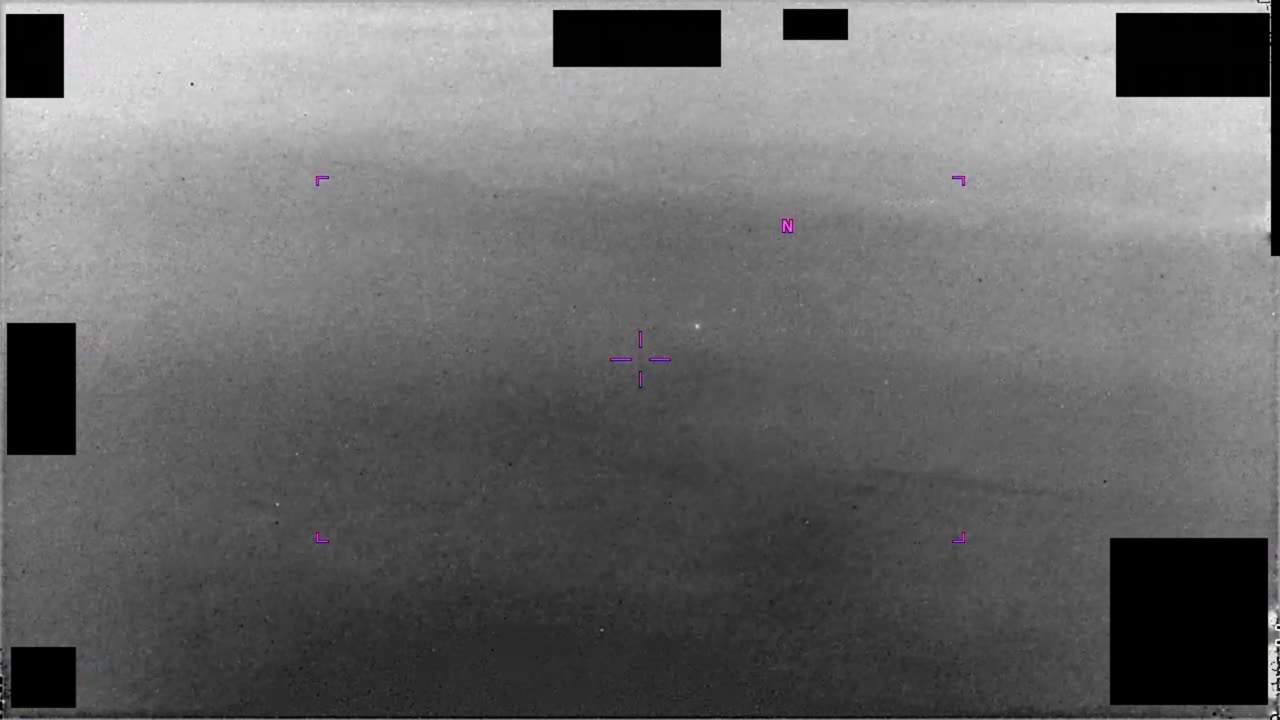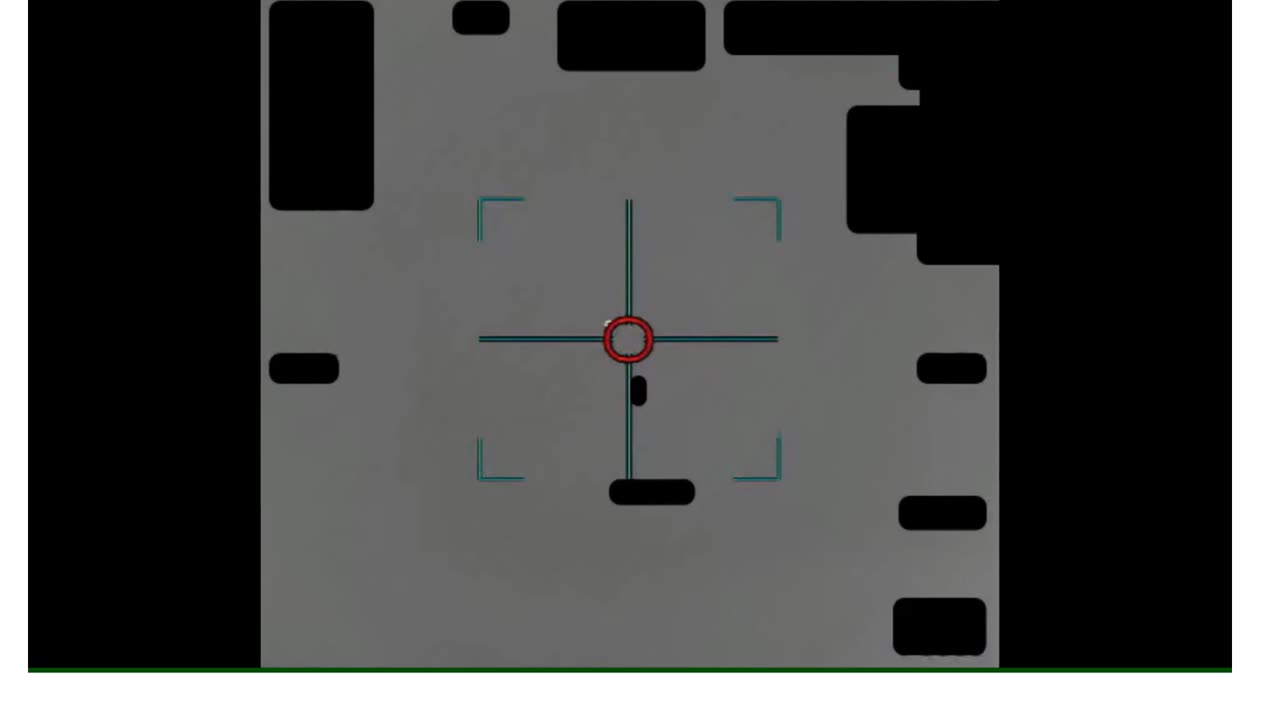
The Taliban, which functions as Afghanistan’s ruling government, claimed Saturday that six Pakistani soldiers were killed and several others wounded in clashes along the disputed Durand Line in Khost Province’s Tani District. The announcement, issued by Taliban spokesmen, marks the latest escalation in a long-simmering border dispute between the two neighbors.
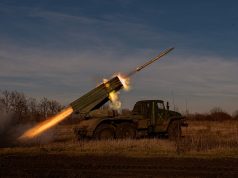
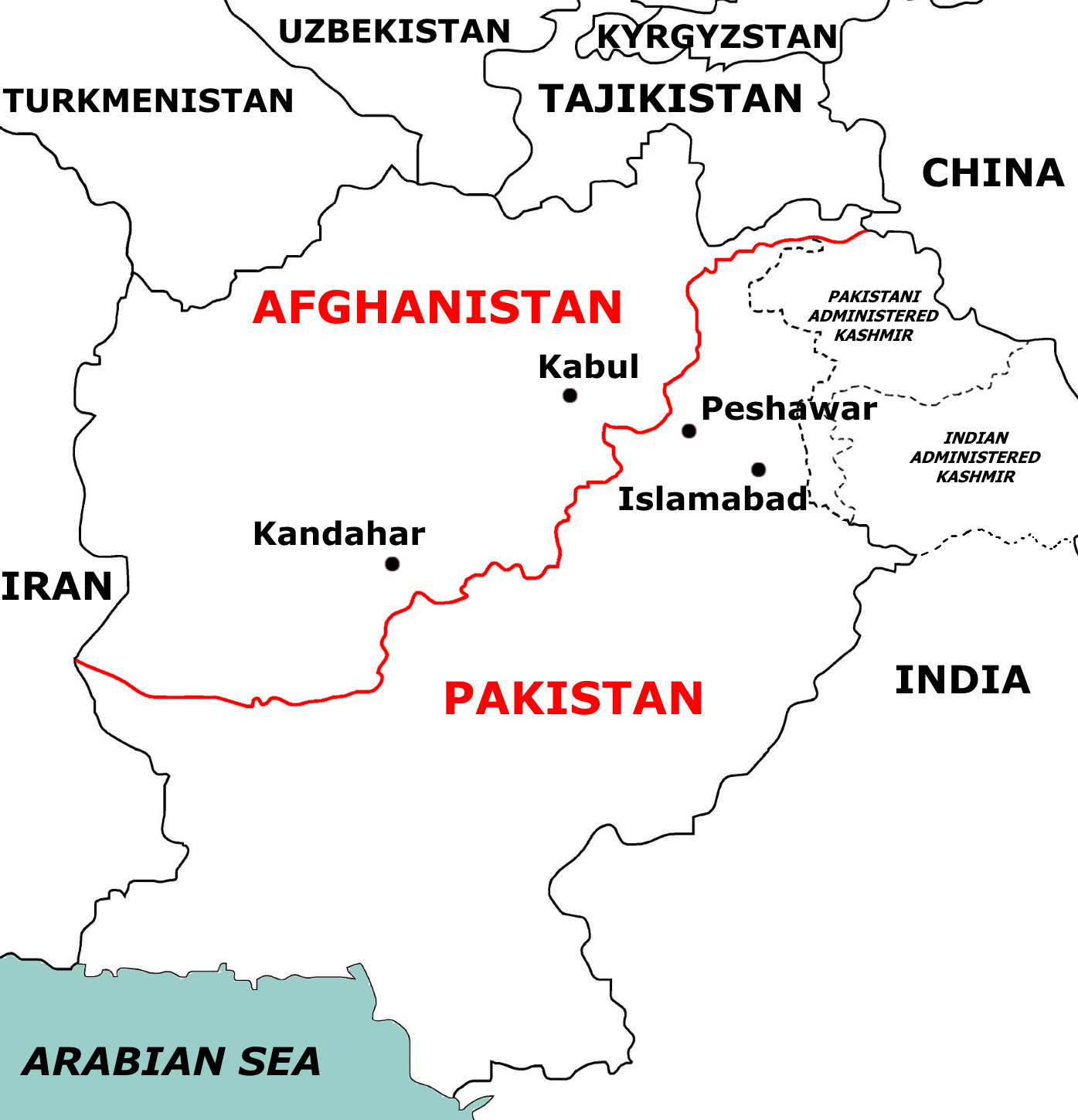
Fighting erupted when Taliban forces engaged Pakistani military units near the de facto border, which Afghanistan has never formally recognized. The Durand Line, drawn by British colonial authorities in 1893, splits Pashtun tribal areas and has been a persistent source of tension between Islamabad and successive Afghan governments. The Taliban, who now control Afghanistan after seizing Kabul in August 2021, have repeatedly refused to accept the border as legitimate.
Pakistan’s military has not yet confirmed the casualties, and independent verification remains difficult due to restricted access to the remote border region. The Pakistani government, a longtime U.S. ally in counterterrorism operations, has historically viewed the Taliban with deep suspicion, despite Islamabad’s past support for the group during its 1990s insurgency against the Northern Alliance.
Saturday’s clash follows a pattern of sporadic violence along the Durand Line since the Taliban’s return to power. The group, which blends Deobandi Islamic fundamentalism with Pashtun nationalism, has asserted its authority over border areas, often leading to firefights with Pakistani forces. In recent months, Pakistani officials have accused the Taliban of harboring anti-Pakistan militants, including factions of the Tehrik-i-Taliban Pakistan (TTP), a separate insurgent group that has carried out deadly attacks inside Pakistan.
The United States, which withdrew its last troops from Afghanistan in 2021, has maintained a cautious stance toward the Taliban government. Washington has not formally recognized the Taliban as the legitimate rulers of Afghanistan, citing concerns over human rights abuses, particularly against women and girls, and the group’s continued ties to terrorist organizations. The Biden administration has instead focused on over-the-horizon counterterrorism capabilities to monitor threats from Afghan soil.
China, which has invested heavily in Pakistan’s infrastructure through the China-Pakistan Economic Corridor, has urged restraint on both sides. Beijing maintains diplomatic relations with the Taliban and has sought to secure economic interests in Afghanistan, including access to mineral resources. Critics note that China’s engagement with the Taliban has provided the group with international legitimacy without requiring meaningful concessions on governance or human rights.
Iran, a hostile actor in the region, has also cultivated ties with the Taliban, viewing the group as a useful counterweight to both U.S. influence and Sunni extremist rivals. Tehran’s support for the Taliban, including reported arms shipments, has alarmed Western intelligence agencies, who warn that the Islamic Republic’s involvement could further destabilize an already volatile border region.
Looking ahead, the clash in Tani District underscores the fragility of security along the Durand Line and the broader challenges facing Afghanistan and Pakistan. Without a formal border agreement or a credible international mediation effort, skirmishes are likely to continue, threatening to draw in regional powers and further complicate the U.S. goal of preventing Afghanistan from becoming a safe haven for transnational terrorist groups. The Taliban’s refusal to break with al-Qaeda, its longtime ally, remains a central obstacle to any normalization of relations with Washington or its partners.