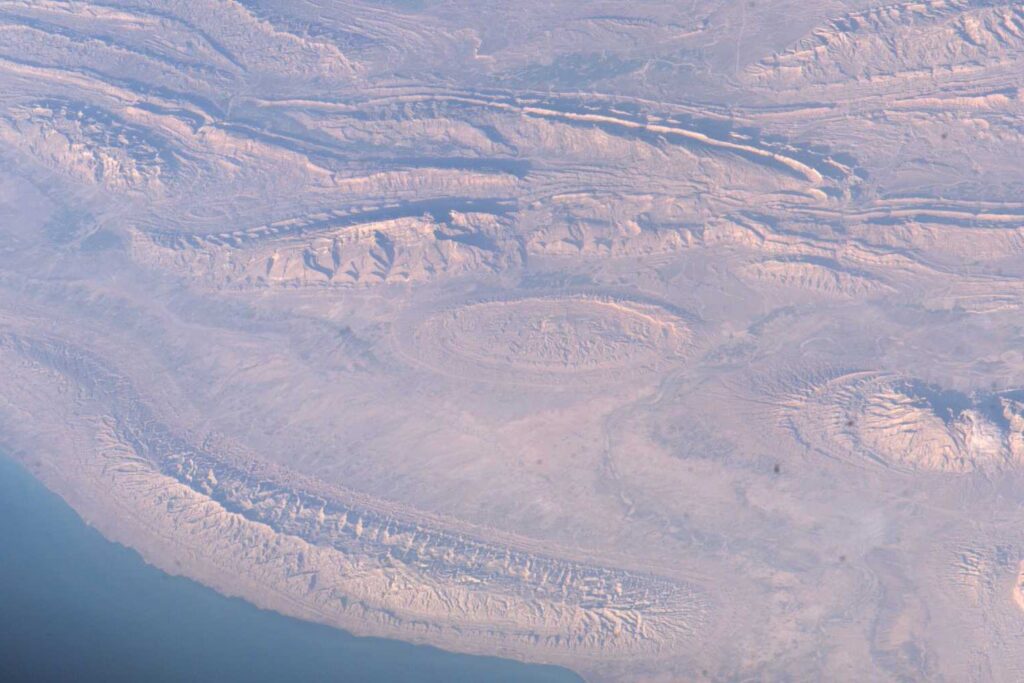
Five explosions were heard on Iran’s Qeshm Island on Monday, Iranian state media reported, after US forces struck what American officials described as a launcher used to fire surface-to-air missiles at a US aircraft.
Three US officials told CNN the operation was limited and defensive. One said it responded to an attempted attack on the aircraft; another called it “a defensive measure for Iranians using surface-to-air missiles against US assets.”
The officials said the action did not resume major combat operations. The Wall Street Journal, which first disclosed the strike, reported that similar attacks had previously occurred without public acknowledgment.
Blasts around the Strait of Hormuz
Iran’s Fars News Agency said residents also heard explosions on nearby Hengam Island and in the port city of Bandar Abbas early Tuesday local time. Qeshm lies about 14 miles from Bandar Abbas, near the Strait of Hormuz.
The waterway carried about 20 million barrels of oil daily before the war. Its shipping lanes remain central both to global energy supplies and to Iran’s effort to control maritime traffic.
Deputy Foreign Minister Kazem Gharibabadi said Tehran reserved the right to defend itself. He placed the incident within an “ongoing war,” a notably different characterization from President Donald Trump’s “just a minor attack.”
Late Monday, the IRGC said its forces had downed two American reconnaissance drones above Qeshm. Iranian media had reported several attempted drone interceptions during the preceding week. Any direct connection between those claims and the US strike was not established.
The IRGC Navy separately said three oil tankers caught fire Tuesday after striking mines in the strait. According to Tasnim, it accused the vessels of entering unauthorized lanes with navigation and identification systems switched off and warned ships against cooperating with the US military on such routes.
Diplomacy proceeds alongside the launchers
The strike arrived as Qatari mediators pursued a proposal to end the eight-month-old war. Their delegation returned to Doha Monday evening after discussions in Tehran, with mediators expecting US and Iranian responses within two days.
Tehran says acceptance of its seven demands could bring the Strait of Hormuz’s reopening within two days. Iranian accounts identify an end to the US maritime blockade, release of frozen assets and an end to fighting “on all fronts” among the conditions.
Mohsen Rezaei, Iran’s top security official, subsequently called the American response “not satisfactory.” He wrote that all seven conditions must be explicitly accepted before the strait reopens.
Parliament Speaker Mohammad Bagher Ghalibaf, Tehran’s lead negotiator, said Iran had delivered a firm and rational answer. He also warned that its military response to a miscalculation would be unpredictable.
Vice President JD Vance offered a more hopeful account Monday. “We’ve certainly made some progress,” he said, adding that he and Trump felt “pretty good” about a possible negotiated settlement.
Vance sent Rezaei a letter last week. Trump said it concerned “medical supplies and various things.”
A war that is not a war, except when it is
Trump used a Fox interview to argue that no war was raging, describing the conflict as “very soft” and saying Iran wanted a deal. He also raised Pickaxe Mountain, a suspected underground nuclear site, as a place American forces “might have to go after.”
“That’s not a big deal,” he said, claiming an attack could be carried out in one hour whenever Washington chose.
The US president had previously said there would be no strikes before Tuesday’s midterm elections.
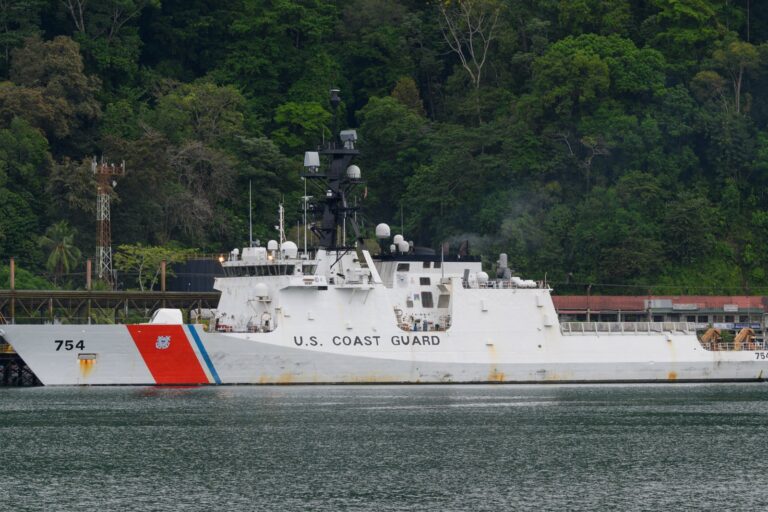
Thousands of American troops remain in waters off Iran enforcing a naval blockade against tankers carrying Iranian oil. Another carrier, the third for the region, is sailing to the Middle East with thousands more personnel.
The last previously acknowledged US attacks occurred in early September. US officials say Iranian forces have continued firing at manned and unmanned American aircraft and that drones and missiles aimed at shipping are intercepted daily.
Oil reverses course
Crude prices had fallen Monday on hopes for diplomacy, then rose in early Asian trading after news of the Qeshm strike.
West Texas Intermediate gained $1.60 to $98.06 a barrel. Brent futures rose $1.84 to $106.61 by 07:44 GMT.
The movement was modest beside the military and political stakes. For all the talk of a settlement, launchers, mediators and tankers were all active within the same narrow waterway.
Sources
- U.S. military carries out limited strikes on Iran’s Qeshm Island, U.S. officials say
- US military conducts strikes on Iran’s Qeshm Island in defensive operation, officials say | CNN Politics
- US military conducts strikes on Iran’s Qeshm Island in defensive operation, officials say | CNN Politics
- US carries out 'defensive' strikes on Qeshm Island after Iran downs drone | The Jerusalem Post
- Explosions hit Iran’s Qeshm Island as US media report US strikes in Hormuz
Photo: Earth Science and Remote Sensing Unit, Lyndon B. Johnson Space Center (Public domain)