Waymo now runs paid robotaxi services across ten U.S. cities. That number alone shifts the conversation around autonomous vehicles from “if” to “when.” The company has 3,700 robotaxis on the road. It logs 500,000 paid rides every week. It has driven 200 million fully autonomous miles. These are not test runs. They are revenue-generating trips carrying passengers who pay for the service.
The scale matters for competitors. Uber and Lyft have spent years developing their own autonomous programs or partnering with others. Waymo already has a fleet operating in multiple markets. That head start compresses timelines for rivals. They now face a company that moved past the pilot phase years ago.
Regulators are watching, too. Ten cities means ten different sets of local traffic laws, ten different transportation departments, ten different police forces that have to learn how to handle a car with no driver. Waymo’s expansion forces municipalities to write rules on the fly. Some cities have welcomed the service. Others have pushed back, worried about job losses for human drivers or about how the cars behave in emergencies. The company’s track record — no safety drivers since October 2020 — gives regulators data to work with. But data does not always settle political fights.
The financial picture is unusual for a company still scaling. Waymo has raised $11 billion in outside funding. That war chest covers the cost of building and maintaining thousands of vehicles, paying engineers, and running operations in ten cities. It also buys time. The company does not need to turn a profit tomorrow. It needs to keep the fleet running, keep the rides coming, and keep the technology safe enough to avoid a high-profile crash that could stall the entire industry.
That safety record is the foundation everything else rests on. Waymo started as a Google project in January 2009. Its roots go further back, to the Stanford Racing Team that entered the DARPA Grand Challenges in 2005 and 2007. Those early competitions taught engineers what worked and what did not. The company spun out of Google in December 2016, renamed Waymo, and became an independent Alphabet subsidiary. Co-CEOs Tekedra Mawakana and Dmitri Dolgov have run the company since April 2021. They have overseen the transition from pilot programs to commercial operations.
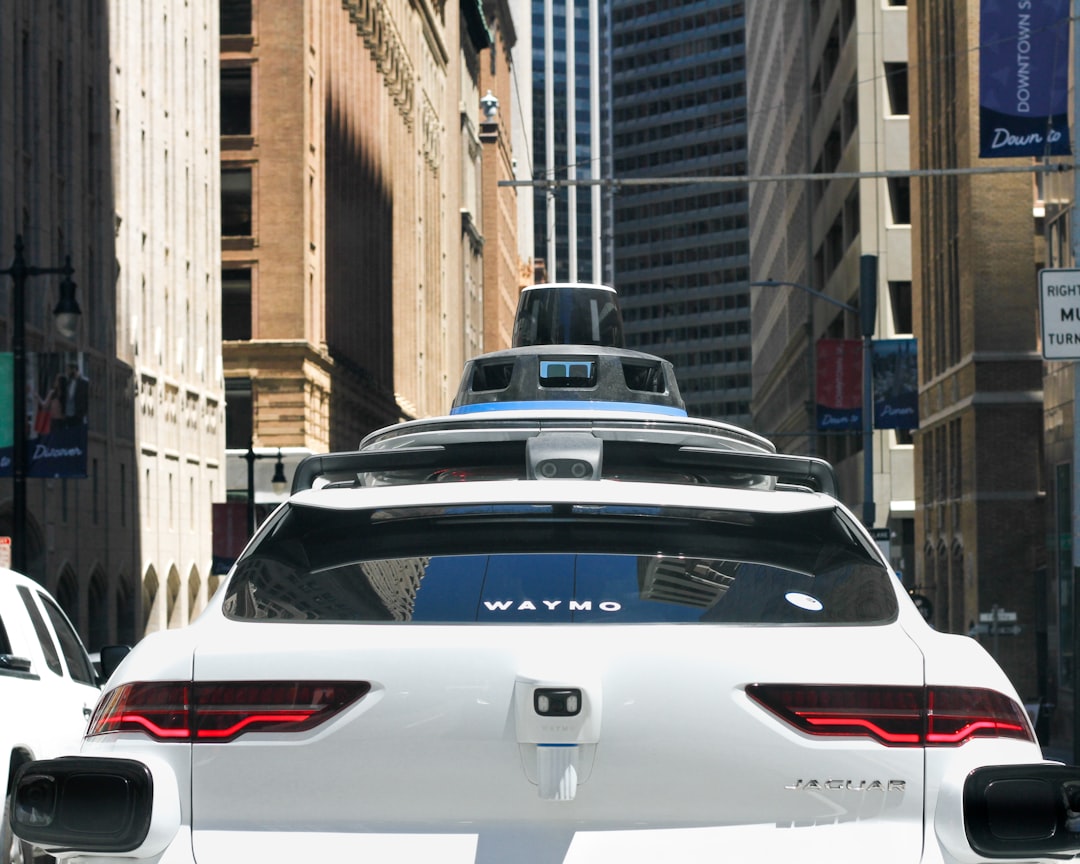
The public face of the service is the robotaxi itself. No driver. No steering wheel in some models. Just a car that picks you up and drops you off. For passengers, the experience is still novel. For city planners, it raises questions about curb management, pickup zones, and how autonomous vehicles interact with cyclists and pedestrians. For labor groups, it raises questions about the future of driving jobs.
Waymo’s next moves are the ones to watch. Ten cities is a lot. But the U.S. has hundreds of metropolitan areas. The company could double its footprint within a year, or it could slow down to focus on profitability. The $11 billion raised suggests investors expect growth. The 200 million miles driven suggests the technology can handle it. The 500,000 weekly rides suggest the public is willing to try it.
None of this guarantees success. Competitors are not standing still. Regulation could tighten. A single accident could change public perception overnight. But Waymo has done something no other company has done: it built a commercial robotaxi service that operates at scale across multiple cities. The rest of the industry is now racing to catch up.