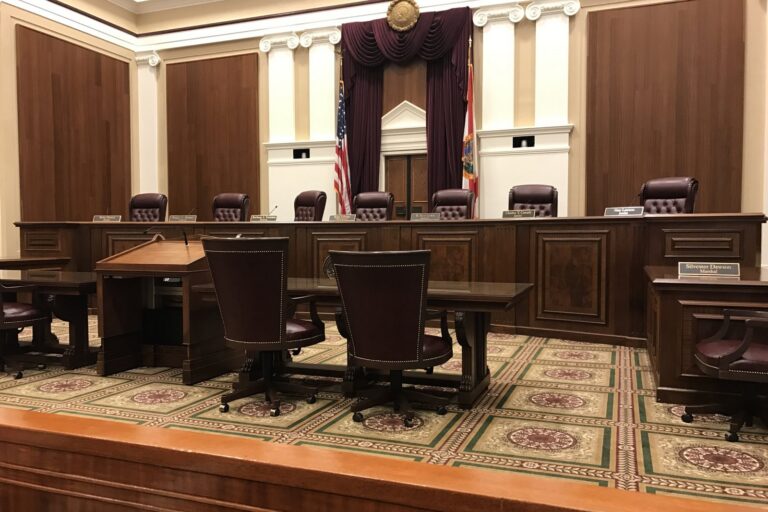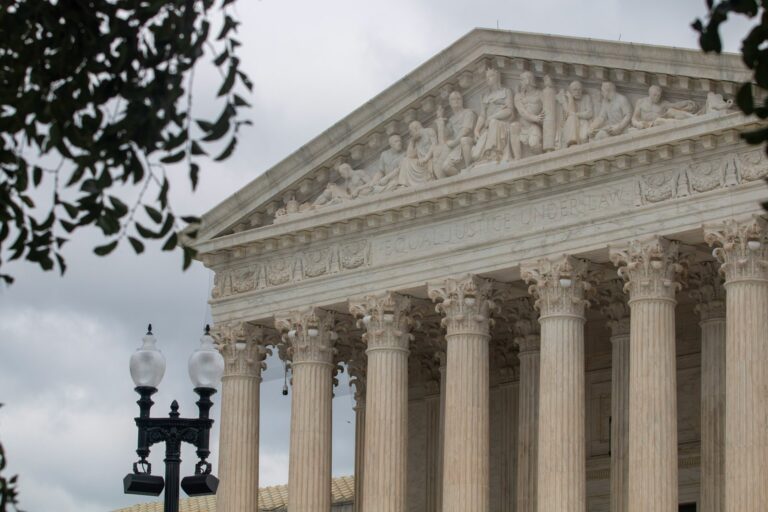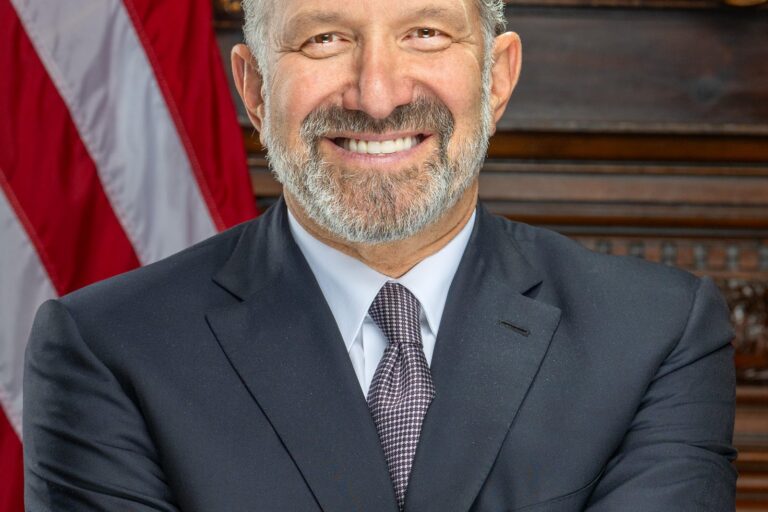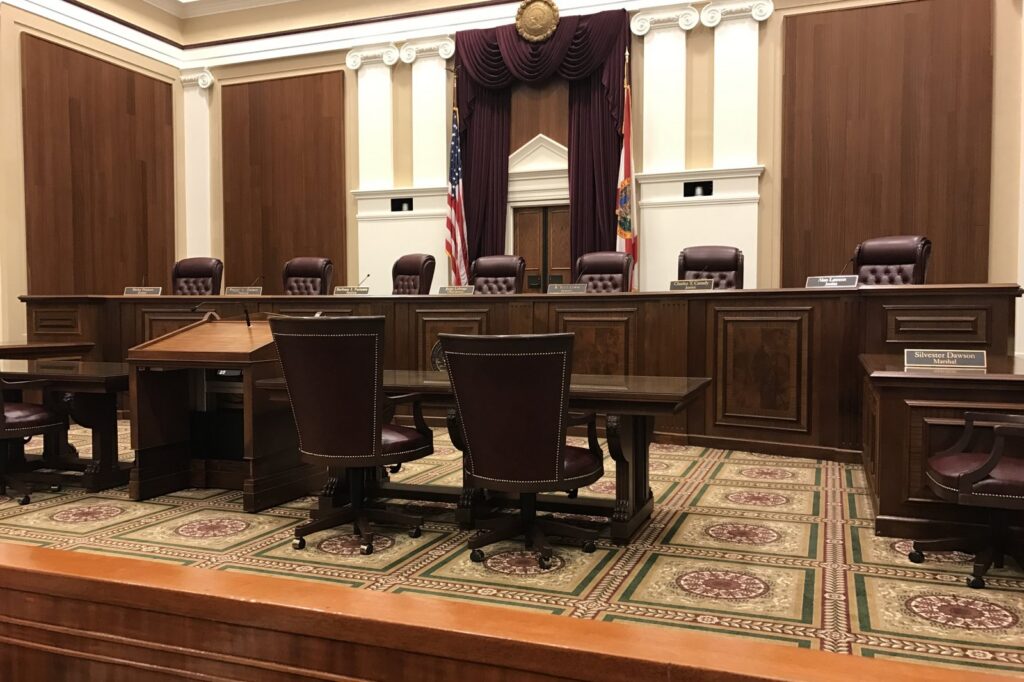
The Florida Supreme Court is being asked by voters to compel Governor Ron DeSantis to certify the results of the 2024 Miami Senate election, a move that hinges on legal precedents and state election law loopholes. The request centers on a decisive victory for incumbent Republican Senator Rick Scott, who won by 12.78 percentage points, but the legal battle over certification could have lasting implications for Florida’s political landscape.
The 2024 Florida Senate Race: A Decisive Victory
Incumbent Republican Senator Rick Scott won a second term in the 2024 United States Senate election in Florida, defeating Democratic nominee Debbie Mucarsel-Powell. The race, held on November 5, 2024, was considered favoring Scott due to his incumbency and the state’s rightward trend. On Election Day, Scott’s margin of victory was 12.78 percentage points, a significantly larger win than most pre-election polls had suggested and his best performance in any of his four statewide races. Scott previously won by narrow margins of less than 2% in his 2010 and 2014 gubernatorial elections and his 2018 Senate race.
A key factor in Scott’s victory was his performance in Miami-Dade County, a majority-Hispanic area that he won for the first time in all of his statewide races, according to exit polls. He captured 55% of the Hispanic vote and also won 21% of African American voters. Additionally, Scott won St. Lucie County for the first time in all of his statewide races, further solidifying his broad support across the state.
The Purcell Precedent and Certification Deadlines
The legal challenge to Governor DeSantis’s certification process invokes the precedent of *Purcell v. Gonzalez*, a key case regarding the timing of election challenges and certification deadlines. This case established a framework for when courts can intervene in post-election disputes, particularly concerning changes to election rules close to an election date. The precedent suggests that last-minute changes or challenges that could disrupt the election process are generally disfavored to ensure stability and predictability.
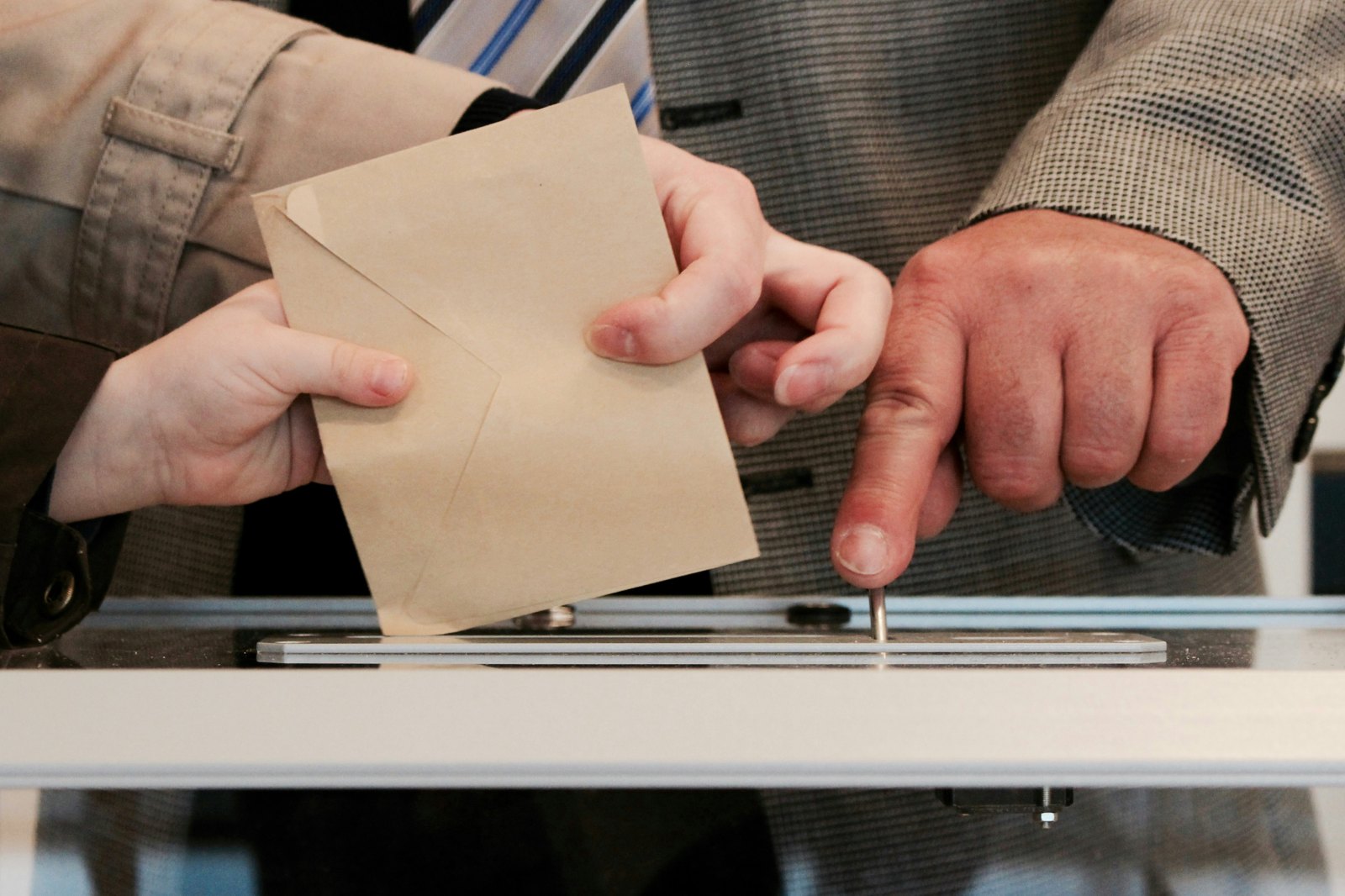
Florida election law contains specific deadlines and procedures for certifying election results. The state requires that results be certified by a certain date to ensure a smooth transition and to meet federal deadlines for certifying electors. However, loopholes in the law could potentially be exploited to delay certification, especially in close races. While the 2024 Senate race was not close, the legal arguments being raised test the boundaries of these procedures, setting a potential precedent for future contests.
Miami-Dade, Hispanic Voters, and the Partisan Divide
Miami-Dade County’s shift toward Scott was a significant development in the 2024 election. His ability to win a majority in this county, which has traditionally leaned Democratic, signals a realignment in the state’s political dynamics. According to exit polls, Scott’s 55% share of the Hispanic vote was crucial to this victory, reflecting a growing trend of Hispanic voters moving toward the Republican Party in Florida.
The debate over whether this shift represents a long-term change or a temporary anomaly is central to understanding the state’s political future. Some argue that Democrats missed a golden opportunity in Florida, while others contend that the state remains staunchly Republican. The outcome of the 2024 race suggests that Florida’s political calculus has shifted, with Republicans consolidating power in areas once considered Democratic strongholds.
Partisan Power Grab vs. Legitimate Legal Challenge
The request to force Governor DeSantis to certify the Miami results raises questions about the distinction between a legitimate legal challenge and a partisan power grab. On one hand, election laws are designed to ensure accuracy and fairness, and any potential irregularities should be investigated. On the other hand, using legal loopholes to delay certification for political gain could undermine the integrity of the electoral process.
The 2024 race was not particularly close, which makes the current legal maneuvers seem unusual. However, the broader stakes involve setting precedents for how future elections are handled, particularly in states with tight political margins. A partisan attempt to delay certification could backfire by eroding public trust in the electoral system, while a legitimate legal challenge could help clarify ambiguities in election law.
Implications for Florida’s Legislature and the 2026 Cycle
The outcome of this legal battle could have significant implications for Florida’s legislature and the upcoming 2026 special election cycle. Florida is one of two states, along with Ohio, that will hold special elections for previously-vacated Senate seats in 2026. These races will be crucial for both parties as they seek to gain or maintain control of the Senate.
The legal arguments being raised now could shape how future elections are contested and certified in Florida. If the state’s election laws are seen as vulnerable to partisan manipulation, it could lead to further legal challenges and a more contentious political environment. Conversely, a clear and decisive resolution could help stabilize the process and ensure that future elections are conducted smoothly and fairly.
The 2026 special elections in Ohio and Florida will be closely watched, as they will determine the balance of power in the Senate. With Republicans holding a 53-47 majority and Vice President JD Vance’s ability to break tie votes, Democrats need to win 51 seats to gain control. The outcome of the current legal dispute in Florida could influence the strategies and tactics employed in these races, as both parties seek to gain an edge.
Sources
- 2024 United States Senate election in Florida
- 2026 U.S. Senate Election Results
- Working-Class Voters Shifted Toward Democratic and Independent Candidates in Nearly Every 2026 Senate Race
- How much are candidates spending for the 2026 midterm? | USAFacts
- Did Democrats blow it in Florida?
- Florida’s 13th Congressional District race features Luna, Gray and D’Arrigo
Photo: Rochambeau1783 (CC BY 4.0)