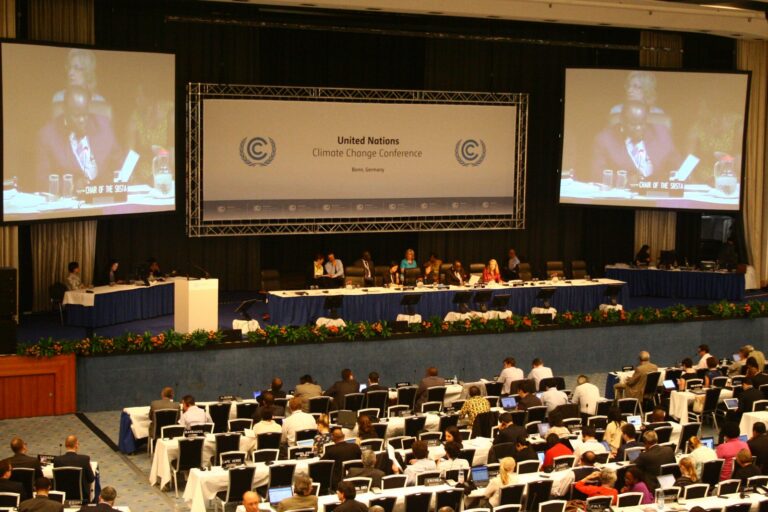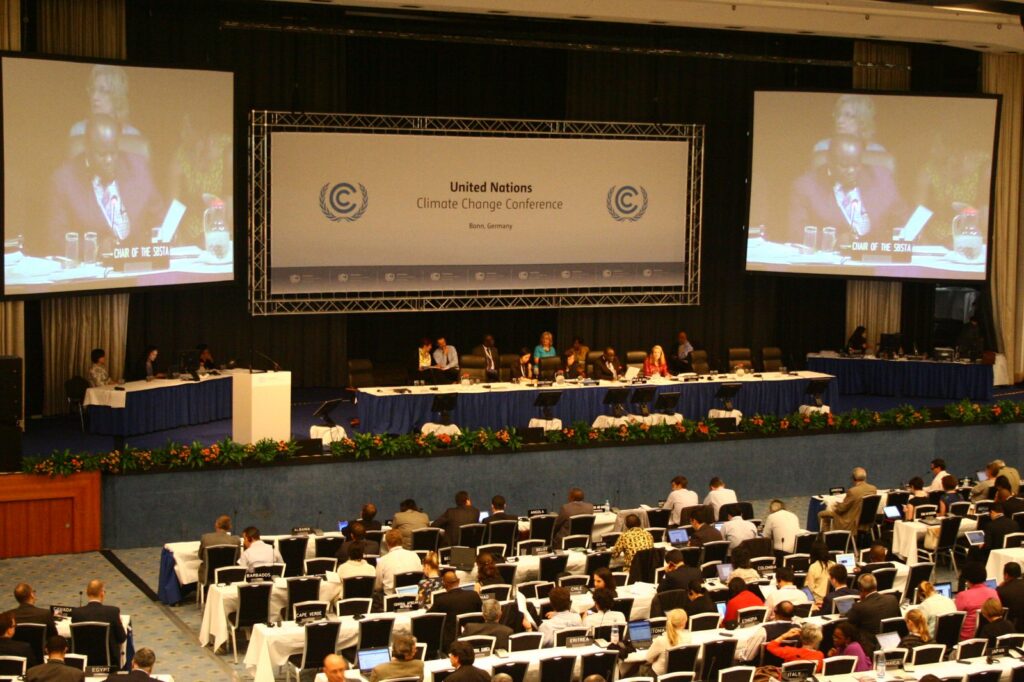
ANTALYA, November 16, 2026 — More than 92,000 people have registered to attend the COP31 climate summit in Antalya, Turkey, provisionally making it the largest UN climate conference in history. With more than 3,000 virtual delegates signed up, total registration surpasses 95,000.
Record-Breaking Registrations
Provisional lists published by the United Nations Framework Convention on Climate Change (UNFCCC) show 92,934 participants registered for in-person attendance. That figure tops COP28 in Dubai, which was attended by more than 80,000 people. The UNFCCC releases final figures — based on participants collecting a physical badge at the venue — after the summit has ended.
The Host Country Guest Anomaly
The salient point in the provisional data is the “host country guests” category. More than 14,000 delegates have been registered under this designation, a figure that dwarfs recent precedents. For comparison, the final list for COP30 in Belém included around 1,300 delegates in this category. COP29 recorded 1,651 and COP28 4,202. The category has only been included in participant lists over the last few years; it would seem the definition has expanded considerably in Antalya.
Party Delegations and Overflow
The largest single group remains delegates representing parties — nation-states and the European Union that have ratified the convention. This group adds up to 18,812 delegates, the second largest after COP28. However, the UNFCCC also publishes “overflow” lists, allowing countries and UN agencies to nominate delegates without their names appearing on official lists. Including those overflow numbers takes the total for party representatives to more than 34,000.
Unsurprisingly, host nation Turkey has registered the largest delegation with 2,950 people. Brazil follows with 1,994, Nigeria with 1,506, China with 1,021 and Indonesia with 978. The rest of the top ten comprises Australia (835), Uganda (627), Italy (607), Japan (588) and Kazakhstan (557). The UK comes further down the list with a delegation of 255. The smallest delegations come from North Korea (two), Eritrea and Nicaragua (three each), and San Marino and Trinidad and Tobago (four each). Notably, some countries — such as Brazil — allocate party badges to NGOs, which can artificially inflate the size of their official delegation.
Notable Absences
Donald Trump’s US government has not sent a delegation, a repeat of the posture at COP30. Other no-shows include Israel and Myanmar. It was reported ahead of the summit that Taliban officials from Afghanistan had been registered as observers; however, there are no delegates from observer states in the provisional lists.
Gender Balance
The provisional list suggests an average gender balance of party delegations of 59 per cent men to 41 per cent women. COP31 is slightly less balanced than the last two COPs, though it broadly continues a trend toward a more even split. Since COP28, the UNFCCC has used titles that do not indicate gender — such as Dr, Prof, Ambassador and Honourable — which make up 1.3 per cent of party delegates at COP31 and are excluded from the binary calculation. Including overflows, there are two delegations comprising only men: Eritrea (three people) and North Korea (two). There are no delegations comprising only women.
Sources
- Analysis: Which countries have sent the most delegates to COP31? – Carbon Brief
- A Monday for the President Who Carries Everything: Seen Over 27 Years in the Field. Deciding on One Task to Delegate in the Morning Makes Things Lighter|AI先生マーケット 松浦正樹
- Mint Explainer | Centre's revised laptop procurement norms and what it means for govt officials? | Today News
Photo: Phinken (CC0)