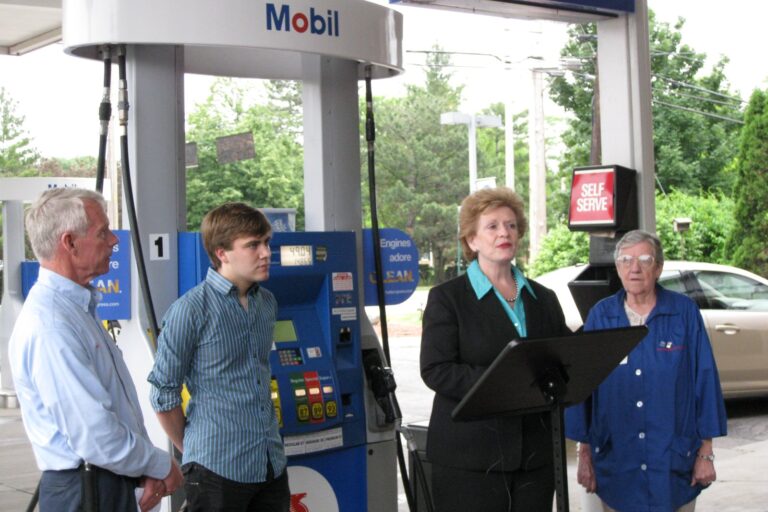
At roadside pumps across the country, drivers pull in and stare at numbers that would have seemed unthinkable just two years ago, watching the total climb past figures that now dominate kitchen table conversations. With the midterm elections less than three weeks away, rising gas prices and cost-of-living concerns are reshaping voter sentiment and influencing political strategies ahead of the 2026 midtests, according to polling data and analysis from across the country.
Voter Priorities and Economic Sentiment
The economic landscape heading into the vote is stark, with everyday household expenses overshadowing traditional political flashpoints. According to a Fox News poll, six in 10 voters say the cost of living is their top economic worry, easily overshadowing government spending at 15%, jobs and income inequality at 7% each, tariffs at 6%, and taxes at 5%. Furthermore, according to the same survey, a majority of voters at 55% say inflation is “not at all” under control, a sentiment that has climbed from earlier in the year.
Public dissatisfaction extends broadly across national conditions. According to the Fox News survey, majorities rate the economy negatively at 74% and expect it to worsen next year at 53%, while two-thirds report being dissatisfied with how things are going in the country. In an exclusive Harris poll for the Guardian, three-quarters of Americans say they are concerned about a recession, while 61% wrongly believe that the US is already experiencing one. Meanwhile, annualized prices increased 3.7% in September, marking the highest reading before a midterm election, excluding the pandemic, since 1990, according to the Guardian.
The Cost at the Pump and the Affordability Crisis
Transportation and household maintenance have become central battlegrounds as fuel costs escalate. Gasoline prices have soared to an average of $4.40 per gallon, while diesel prices have reached historic highs of more than six dollars per gallon, according to an analysis by the Atlantic Council. Average gas prices at the pump have crossed $1.20 more per gallon compared with a year ago, driven in part by global market pressures and the aftermath of the military conflict with Iran, according to the Guardian and the Atlantic Council.
Regional disparities remain sharp, with California drivers experiencing the highest gas prices in the nation and paying on average $6.20 per gallon, according to AAA figures cited by the Guardian. According to the same publication, two-thirds of voters polled identify gas prices and grocery prices as their most important issues heading into the election, followed by living expenses, healthcare costs, and foreign affairs. This pervasive squeeze has crossed party lines, with a vast majority of Americans agreeing that an affordability crisis exists, including 96% of Republicans.
Political Fallout and Party Support
The incumbent administration faces severe political headwinds as voters weigh these financial burdens at the ballot box. According to the Fox News poll, President Donald Trump’s lowest job rating is on inflation, where just 22% approve, setting a new low compared to 36% approval last summer. Disapproval of the job Trump is doing has reached 77% on inflation, 70% on the economy, 69% on tariffs, and 64% on foreign policy, while his overall job approval stands at 36%, according to the same survey.
Political dynamics have shifted noticeably among key demographics and independent voters. According to the Guardian, Republicans are losing support among independent voters, who are expected to act as the deciding factor in key swing races, with nearly two-thirds of independents stating the economy is worse. If the election were held today, 54% of voters say they would back the Democratic candidate in their House district and 45% would support the Republican, according to the Fox News survey.
Energy Policy and Legislative Proposals
Energy affordability is now a top voter consideration in the 2026 midterms, prompting renewed scrutiny of legislative remedies and federal permitting structures, according to the Atlantic Council. While individual states retain control over fuel mixes and federal agencies remain under executive direction, Congress faces pressure to act on infrastructure development and regulatory hurdles. Comprehensive national permitting reform has emerged as a focal point, with a bipartisan reform package advancing in the US Senate, according to the Atlantic Council.
Proponents of legislative action point to the Bipartisan American Affordability and Jobs Act, which includes specific provisions to address delays in energy development. According to the Atlantic Council, the legislation includes a 150-day limit for most challenges to federal permitting decisions, hardens timeframe limits for federal environmental reviews, sharpens rules around the Clean Water Act, and clarifies state authorities. As candidates campaign across the country, figures from both parties are directly addressing affordability, with Democrats framing their campaigns around household expenses while voters prepare to render their verdict on the current economic trajectory.
Sources
- Fox News Poll: Cost-of-living concerns weigh on GOP in midterms
- Key US voters say economy is getting worse ahead of midterms, exclusive poll finds
- Four ways the midterms can reshape US energy policy
Photo: Senator Stabenow (CC BY 2.0)