BANFF, November 16, 2026 — The recovery of grizzly bear populations in North American national parks like Banff is creating a complex new challenge: managing the growing overlap between apex predators and millions of human visitors, a tension underscored by the celebrity status of a massive bear known as ‘The Boss’ and a recent fatal attack in British Columbia.
The Apex Returns
Grizzly bears, a subspecies of brown bear known scientifically as *Ursus arctos horribilis*, are returning to parts of their historic range across North America. This recovery is a story of conservation success, bringing the animals back from the brink of local extinction in many areas. The species, which includes populations like the Kodiak and peninsular grizzly, now inhabits parks and wilderness regions where human presence is also increasing, setting the stage for frequent and often tense encounters.
A Kingdom and a King
Nowhere is this dynamic more visible than in Banff National Park, which receives 4.5 million annual visitors. The park’s grizzly population has rebounded, and its most dominant male, known as ‘The Boss’ to researchers and locals alike, has become a symbol of this success. Grizzly bear 122 occupies a vast 2,000-square-kilometer territory, a domain he rules with an iron paw. Weighing approximately 700 pounds, the Boss is a formidable survivor, having endured collisions with a freight train and multiple vehicles without apparent ill effect. Scientists have confirmed he has killed and consumed a black bear at least once and believe he fathered many, if not most, of the other bears in his territory.
The Price of Fame
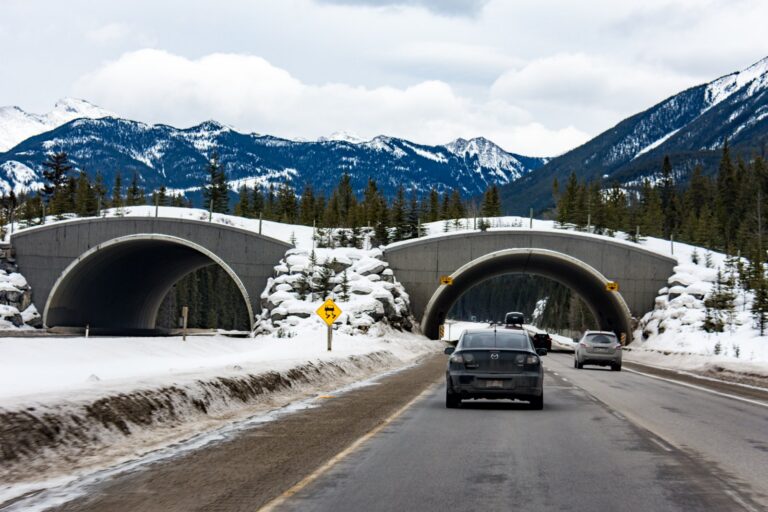
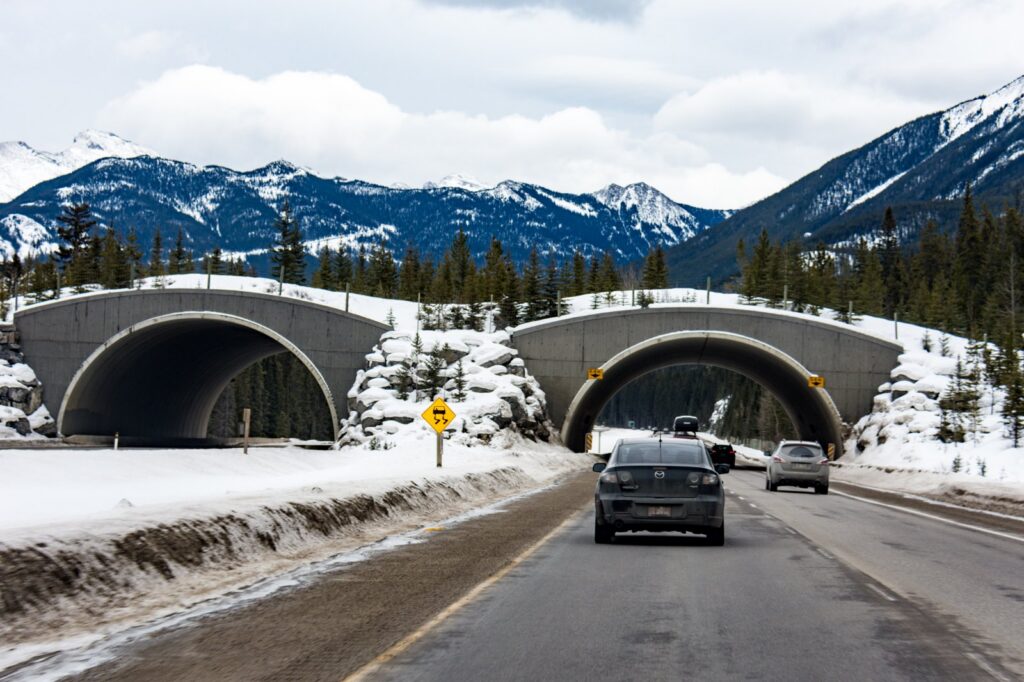
The Boss’s fame has become a double-edged sword. His movements along the Trans-Canada Highway, where he forages for dandelions, regularly cause massive traffic jams as motorists stop to watch the celebrity bear. His image is a lucrative brand, sold on fridge magnets, T-shirts, tote bags, and even adorning a local restaurant named in his honor. While wildlife experts do not consider The Boss a direct threat to visitors, they express a deep concern that his celebrity status and the resulting human attention pose a significant risk to his safety and dominance. The greatest threat to the king, they fear, is not another bear, but the admirers who draw too close.
A Deadly Reminder
The inherent dangers of human-wildlife coexistence were tragically highlighted this month in Bella Coola, British Columbia, far from Banff’s tourist crowds. The attack occurred near the Snooka West Trail, with the victims’ remains found in a bear cache. In accordance with provincial human-wildlife conflict response guidelines, all four bears were killed. Inspector Jeff Tyre of the British Columbia Conservation Officer Service confirmed the attack involved predatory behavior, a rare and terrifying event for the community.
The Balancing Act
The incidents in Banff and Bella Coola reveal the central problem facing park managers: how to protect a recovering grizzly population while ensuring public safety for a growing number of visitors. The challenge is immense, as the potential for conflict rises with the bear population and the number of people entering their habitat. The heaviest documented grizzly in the Greater Yellowstone Ecosystem weighed 715 pounds, a stark reminder of the power these animals wield. As grizzly bears reclaim their place in the landscape, the difficult task of balancing conservation, tourism, and public safety becomes the defining issue for parks across the continent.
Sources
- Grizzly bear
- Mama grizzly bear and her 3 cubs killed woman and daughter in Canada, DNA confirms: "Predatory behavior"
- In Banff, a Grizzly Bear Known as ‘the Boss’ Rules the National Park
- DNA links 4 grizzly bears to deadly attack on mother and daughter in Canada, officials say
- How Big Was Yellowstone’s Largest Recorded Grizzly?
- Banff Grizzly Bear Boss Draws Millions of Admirers
Photo: m01229 from USA (CC BY-SA 2.0)