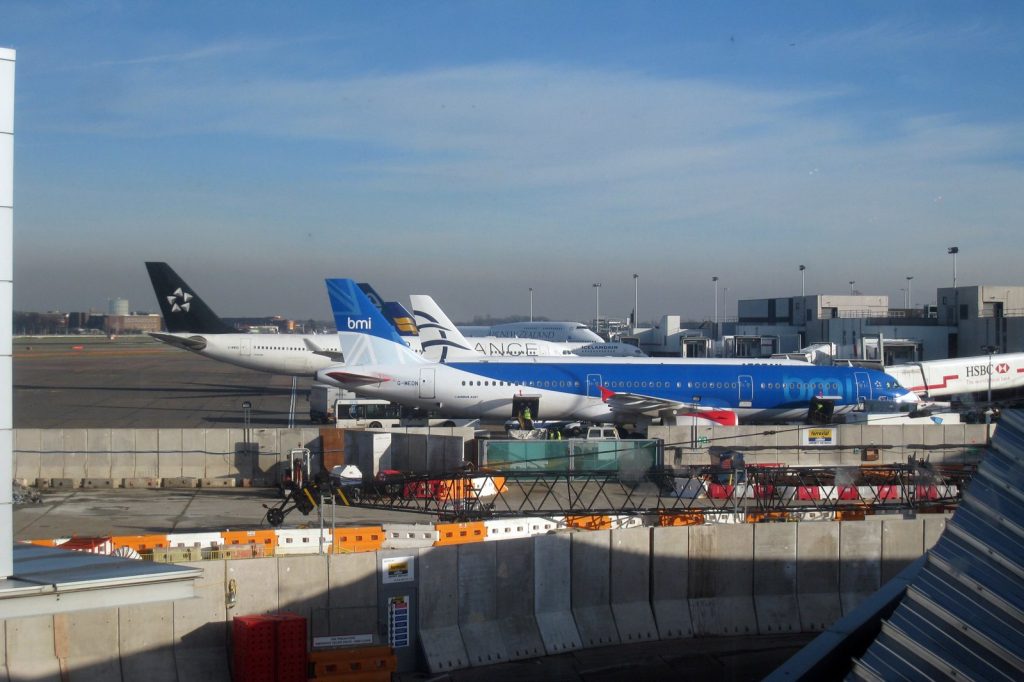
Occasionally an airline gets its own price wrong, and a ticket briefly costs a fraction of what it should. The industry calls it a mistake fare or error fare. It happens when an airline accidentally lists the wrong price on its website, and a small trade has grown up around telling customers when one appears.
How the errors happen
Prices can swing wildly, in some cases all the way down to free. One type is nicknamed the “fat finger fare” and comes from data entry slips or a misplaced decimal point. Another lets a buyer get a cheaper flight by paying in a different currency. Customers who go hunting for these, the Wikipedia entry on the subject notes, will generally find none, and the ones that turn up are not necessarily places they wanted to visit.
Twitter became a favourite hunting ground. In 2016 Los Angeles Times writer Terry Gardner called it the “new darling for travelers,” partly because mistake fares were so easy to find there. The Telegraph and USA Today have also covered the phenomenon.
Will the airline honour it?
That depends on the company and on the laws and policies it must follow. Federal regulations place certain limits on an airline’s ability to refuse a mistake fare, and the Department of Transportation looked at changing them in 2015. A change that let airlines refuse such fares would threaten the mistake-fare business. The DOT also requires airlines to reimburse non-refundable plans tied to the ticket and the trip.
Skift writer Grant Martin points out that what a buyer can expect varies with the circumstances. Standard flights with a simple error carry some protections. A fare sold to residents of Denmark, which required every buyer to claim they lived there, did not. Martin also says airlines go to lengths to stop these fares spreading, including watching public forums for posts about them.
A shift in attitudes
Consumers once largely opposed taking advantage of such errors. They are now much more relaxed about it. USA Today writer Christopher Elliott put this down to growing awareness of airline practices that the public sees as squeezing out as much money as possible.
The ethics remain contested. Branding consultant Talaya Waller argues that airlines take as much advantage as customers do, and are allowed to. Kyle Stewart, a website editor, notes that a customer’s mistake is treated as the customer’s fault while an airline’s mistake is not treated as the airline’s.