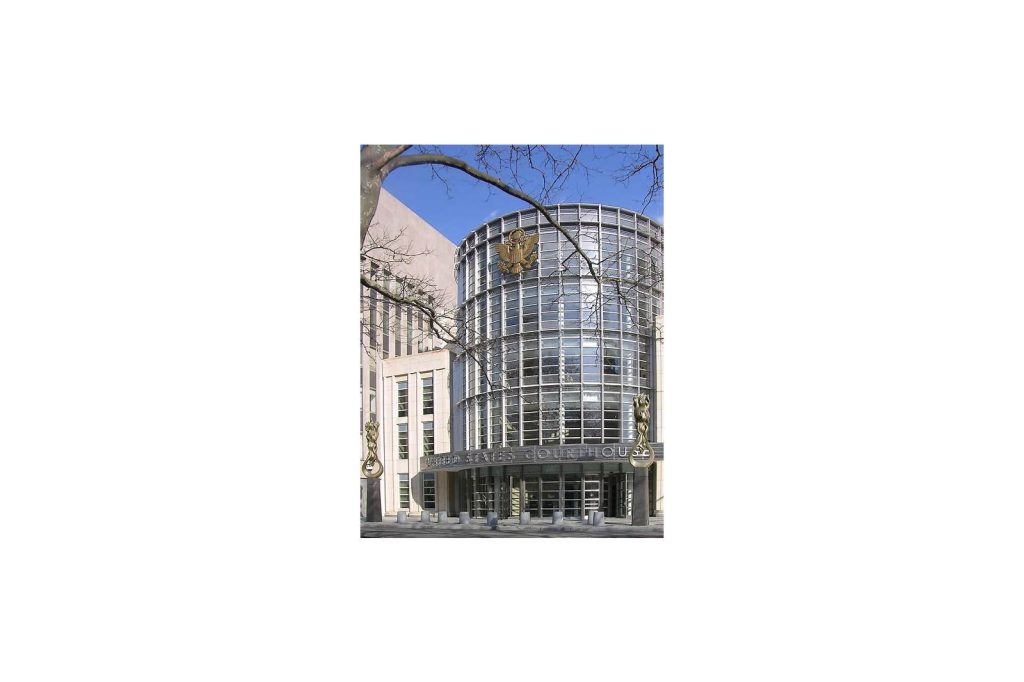
“The Government’s terse, bland and conclusory statement affords the court neither a sufficient basis to reach any conclusion, nor the opportunity to conduct any analysis of the Government’s request for dismissal.” That was U.S. District Judge Nicholas Garaufis, in an order released Friday, June 26, telling the Justice Department he would not yet throw out the criminal case against Indian billionaire Gautam Adani.
Garaufis gave prosecutors until July 13 to lay out “each reason” for wanting the indictment dismissed, with “sufficient factual support for each basis.” The Justice Department had moved on May 18 to dismiss with prejudice the charges against Adani, Sagar Adani, Vneet Jaain and five other defendants. Its stated reason was that it had decided, “in its prosecutorial discretion, not to devote further resources to these criminal charges against individual defendants.”
That was not enough for the judge. He wrote that the department had “failed to meet its obligation to supply adequate reasoning and sufficient facts,” and that without them the court “risks abusing its discretion in deciding the motion.”
Why the judge has a say
Rule 48(a) of the Federal Rules of Criminal Procedure requires court approval before an indictment is dismissed. Garaufis called it a “sunshine provision” and said prosecutors must give reasons and the facts behind them so the court can judge the request on its own.
Adani’s lawyers had filed a 15-page letter on June 24 backing the dismissal. They argued that courts have only limited power to refuse a Rule 48(a) dismissal that both sides want. Garaufis said he appreciated the arguments but stressed that “it is the Government’s obligation to come forward and to provide its rationale.”
The Wire reported that the defense had sent the Justice Department nearly 500 pages of legal arguments, factual material and expert opinions between February and April. Among the experts were a Harvard Law School securities law professor, a former Securities and Exchange commissioner and acting chairman, a former chief justice of India and a former chairperson of India’s Central Electricity Authority. The defense said its material showed four flaws: US securities laws did not apply to largely foreign transactions, the statements in the indictment could not support a case, evidence tying the defendants to them was thin, and prosecutors could not prove the bribery claims.
The New York Times reported that at an April meeting, Adani lawyer Robert Giuffra offered a $10 billion investment in the US economy and 15,000 jobs if the charges were dropped. Prosecutors said the offer would not influence the case, the paper reported, citing people familiar with the meeting.
Two cases from November 2024
US authorities opened two parallel cases in November 2024. The Justice Department charged Gautam and Sagar Adani and others with securities fraud conspiracy, wire fraud conspiracy and conspiracy to violate the Foreign Corrupt Practices Act, over an alleged $250 million bribery scheme tied to Indian state electricity contracts. The Securities and Exchange Commission separately sued the two men for allegedly misleading investors in a 2021 bond offering. The Adani Group has consistently denied the charges.
Four days before the dismissal motion, the SEC announced a proposed settlement. Gautam Adani would pay a $6 million civil penalty and Sagar Adani $12 million, without admitting or denying the allegations. Garaufis must also approve that deal.
The Wire noted that judges have been pressing the Justice Department harder on requests to drop cases. In the Eric Adams corruption case, Judge Dale Ho dismissed the charges in April 2025 but called the government’s justification “unprecedented and breathtaking in its sweep.”
Sources
- US Judge Declines to Immediately Dismiss Adani Indictment, Orders DOJ to Explain Decision – The Wire
- Judge Demands DOJ Justify Adani Dismissal