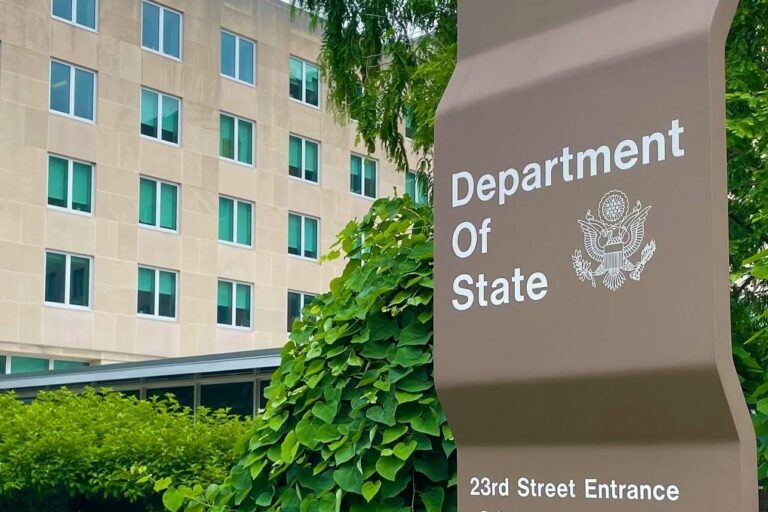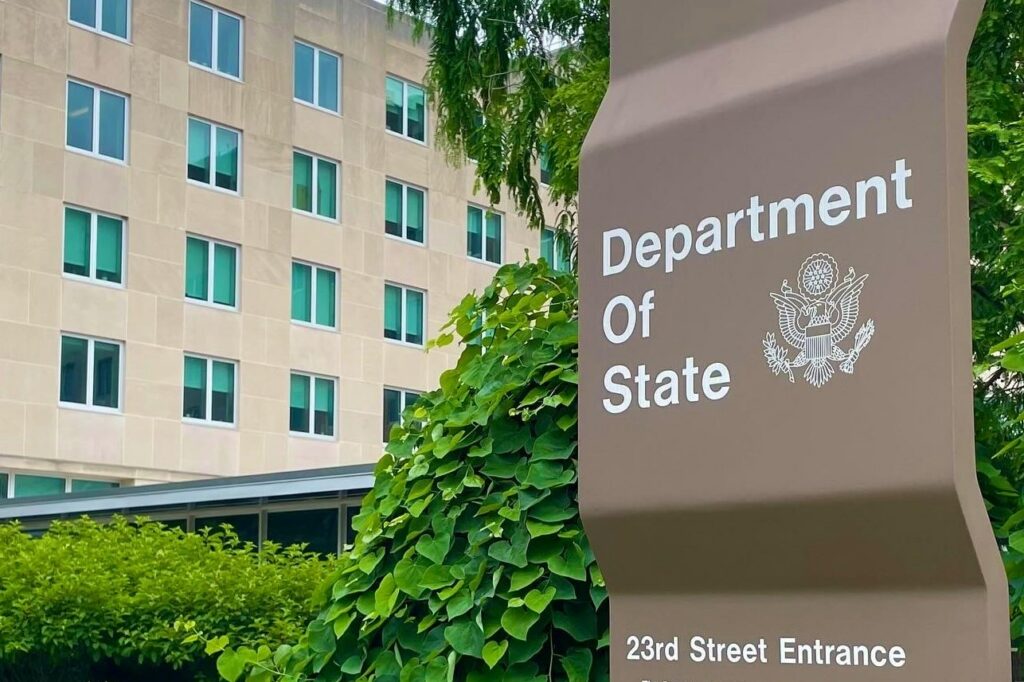
The United States government has designated 22 Latin American and Caribbean criminal groups as “foreign terrorist organizations,” with the latest addition being three Guatemala-based groups. The U.S. Department of State maintains a list of Foreign Terrorist Organizations (FTO) in accordance with section 219 of the Immigration and Nationality Act of 1965 (INA), and the designation process involves a thorough interagency review.
Statutory Criteria And Interagency Processes
The statutory criteria for designating a foreign organization as a terrorist group include actual attacks carried out, planning for future violence, and the retained capability and intent to execute attacks. The Bureau of Counterterrorism and Countering Violent Extremism (CT) continually monitors global groups to identify targets for the terrorist designation. When reviewing targets, the S/CT evaluates the group’s activities and prepares a detailed administrative record combining classified and open-source information to satisfy the statutory criteria.
Designation Process
The designation process involves the Secretary of State making the designation in consultation with the Attorney General and the Secretary of the Treasury, after which Congress is notified. The Secretary of State may revoke a designation or redesignation, and the FTO may seek judicial review of the designation in the United States Court of Appeals for the District of Columbia Circuit. The Treasury’s Office of Foreign Assets Control (OFAC) maintains a separate list of individuals and entities subject to counter-terrorism sanctions according to Executive Order 13224.
Historical Background And Expansion
The list of FTOs was initially focused on Islamist extremist groups, but it has expanded to include nationalist or separatist groups, Marxist militant groups, drug cartels, and transnational gangs. The designation of the Balochistan Liberation Army (BLA) as an FTO in August 2025, for example, was based on its threat to U.S. economic interests in the Balochistan region of Pakistan. The BLA’s attacks on rail, ports, energy, and mining targets, as well as its targeting of foreign nationals, including at least 30 Chinese nationals killed in the past decade, demonstrate its focus on disrupting economic activity.
Current Designations And Implications
As of November 2026, there are 22 Latin American and Caribbean criminal groups designated as FTOs, including the Sinaloa Cartel, the Jalisco New Generation Cartel, and the Gulf Cartel. These designations reflect the U.S. government’s efforts to combat transnational organized crime and protect U.S. economic interests. According to Secretary of State Marco Rubio, the designation of Los Lorenzanas as an FTO and a Specially Designated Global Terrorist (SDGT) is based on its “deep ties with Mexican cartels” and its responsibility for “numerous acts of violence against civilians, government officials, and military forces in Guatemala.” The implications of these designations are far-reaching, with potential consequences for individuals and entities that provide material support to these groups. As Attorney General Todd Blanche stated, “Anyone who plans a terrorist plot on a military base housing American servicemembers will be prosecuted by the United States government.”
Sources
- United States Department of State list of Foreign Terrorist Organizations
- Three Iranian-Backed Operatives Indicted for Their Roles in Nearly 20 Terrorist Attacks and Attempted Attacks Across Europe and the United States
- FTO Series: Insurgent Group in Pakistan Threatens U.S. Economic Interests
- US designates 3 Guatemalan groups as terrorist organizations
- Trump list of US-designated 'foreign terrorist organizations' in Latin America grows to 22
Photo: Raydann (CC BY-SA 4.0)