TALKEETNA, November 22, 2026 — In the Alaskan interior, the distance between neighbors is measured less in miles than in the reliability of a piston engine and the schedule of a diesel locomotive. For residents navigating a landscape where paved roads are a rarity, survival depends on a fleet of vintage aircraft and a single railroad line that cuts through the wilderness.
The logistical reality of the state is stark. Alaska has fewer miles of highway than Vermont, a fact that renders vast swaths of the interior inaccessible by standard commercial vehicle. This geographic isolation defines the daily existence of those who live beyond the reach of asphalt, forcing a reliance on infrastructure that is both ancient and indispensable.
The Vintage Fleet as Lifeline
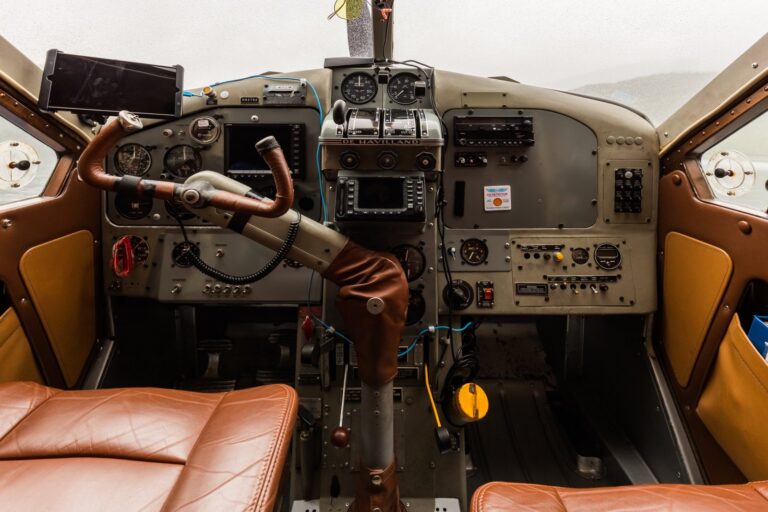
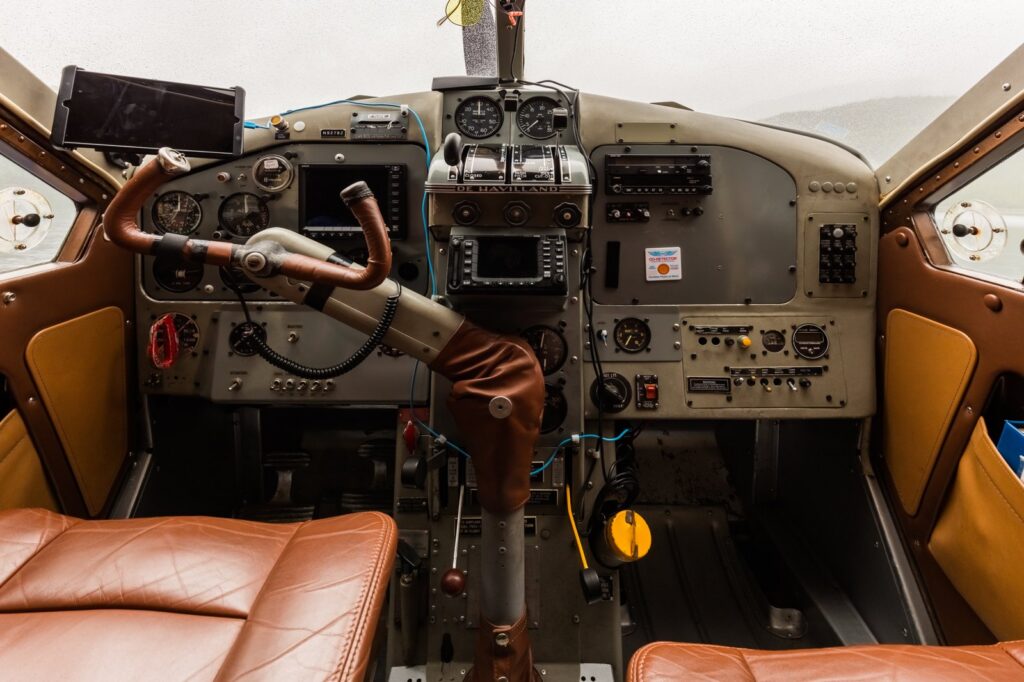
The primary mode of transport for many interior residents is the bush plane. These are not the sleek, composite-material jets of the modern era. They are rugged, single-engine aircraft, often sporting fixed landing gear or pontoons for water landings. The technical reality is that the average age of a bush plane in Alaska is nearly 60 years old. Many of these airframes date back to the 1940s, keeping models like the Piper Super Cub and the de Havilland Beaver in active service decades after their initial production runs ended.
Under the hood, these aircraft are kept flying not because they are new, but because they are economically rational. Maintaining, repairing, upgrading, or rebuilding these reliable vintage planes is far more economical than purchasing new ones. For a resident in a remote community, the small aircraft serves as an essential lifeline, connecting the backcountry to major towns for medical care, commerce, and family visits. The detail that matters here is the dependency: without these aging airframes, the interior would be effectively cut off from the rest of the state.
The Railroad Corridor
While the air provides speed, the ground provides stability. The Alaska Railroad serves as a critical year-round corridor, offering a remarkable backstory and scenery that complements the aerial view. It is the only major transportation artery that bisects the immensity of the state, reducing the Alaskan expanse only minutely but providing a consistent link between coastal hubs and the interior.
The railroad is not merely a freight line; it is a significant driver of the tourism economy. The Aurora Winter Train, for instance, offers specific opportunities for viewing the Northern Lights, turning the transit route into a destination in itself. For travelers and residents alike, the train provides a counterpoint to the isolation of the air, offering a slower, more grounded connection to the broader state.
Geography and Population Density
The challenges of interior life are amplified by the sheer scale of the state. Alaska is the largest U.S. state by area, comprising more total area than Texas, California, and Montana combined. It is the northernmost, westernmost, and longitudinally easternmost state in the union. Despite this vastness, the population is sparse. With 740,133 residents in 2024, Alaska is the most sparsely populated state in the U.S.
Approximately half of the state’s residents live within the Anchorage metropolitan area. This concentration means that the interior, which constitutes the bulk of the state’s landmass, is home to a relatively small number of people spread over a massive area. The state borders Canada’s Yukon and British Columbia to the east and shares a maritime border with Russia in the Bering Strait to the west. This position makes it a semi-exclave, closer to the continent of Asia than any other U.S. state.
Historical Context and Settlement
The frontier character of the interior is not a recent development. Indigenous peoples have lived in Alaska for thousands of years, long before European contact. It is widely believed that the region served as the entry point for the initial settlement of the Americas via the Bering land bridge. The Russian Empire was the first to actively colonize the area beginning in the 18th century, establishing Russian America which spanned most of the current state. The logistical difficulty of maintaining this distant possession eventually prompted its sale to the United States in 1867 for US$7.2 million, equivalent to $166 million in 2025.
The area went through several administrative changes before becoming organized as a territory on May 11, 1912, and was admitted as the 49th state on January 3, 1959. The history of settlement in the interior has always been defined by the difficulty of access, a challenge that persists today in the form of limited road infrastructure and the reliance on air and rail.
The Visitor’s Perspective
For those who travel to the interior, the experience is often characterized by an overwhelming sense of scale. Travel writer Pico Iyer described the interior’s expanse as “the story of America,” a place for people lighting out for new territory and seeking new horizons. The “omnipresent quiet” and “stillness” of the region focus attention and sharpen the senses for visitors.
The main artery for commercial and touring drivers is Alaska Route 3, also known as the George Parks Highway. This 320-mile paved freeway runs from Anchorage to Fairbanks. Mile 237 marks the gateway to Denali National Park, a 9,375-square-mile area that is a five-hour trip from Anchorage, though most visitors expand that to six or eight hours with stops for gas, food, and scenic viewpoints.
Key stops along this route include Talkeetna, located at the Parks Highway junction at Mile 133, which is known for mountain views and bush plane tours. Hurricane Gulch, at Mile 174, is another notable point of interest. On a clear day, visitors may see Denali, officially Mount McKinley, at 20,310 feet, North America’s highest peak, along with much of the Alaska Range.
Ecological and Economic Realities
The landscape is not static. The invasive spruce bark beetle has had a significant impact on the region’s forests. According to reports, 90 percent of Alaska’s spruce forests have been turned into dead black sticks. While this is a plague for the ecosystem, it has become a boon for bush shelter builders and off-the-grid firewood gatherers, who utilize the fallen timber.
The economy of the interior is driven by a mix of natural resource extraction and tourism. Alaska has an abundance of natural resources, including commercial fishing and the extraction of natural gas and oil. This has enabled the state to have one of the highest per capita incomes in the United States, despite having one of the smallest economies. More than half of Alaska is federally owned, containing national forests, national parks, and wildlife refuges that contribute to the state’s identity and tourism appeal.
The combination of limited infrastructure, extreme geography, and a reliance on vintage technology creates a unique environment for residents. The challenges are significant, but the opportunities for those who can navigate the logistics are equally substantial. The interior remains a place where the old ways of travel are not just nostalgic, but necessary.
Sources
- Living large and seeking new horizons in the expansive and stunning Alaskan interior
- Alaska
- Mary Peltola wins U.S. Senate seat in Alaska
- Results in the 2026 Alaska State Senate and House elections – FairVote
- Mary Peltola flips Alaska's Senate seat blue
- Trump DOJ surrenders on Alaska U.S. Senate interference suit
Photo: Diego Delso (CC BY-SA 4.0)