
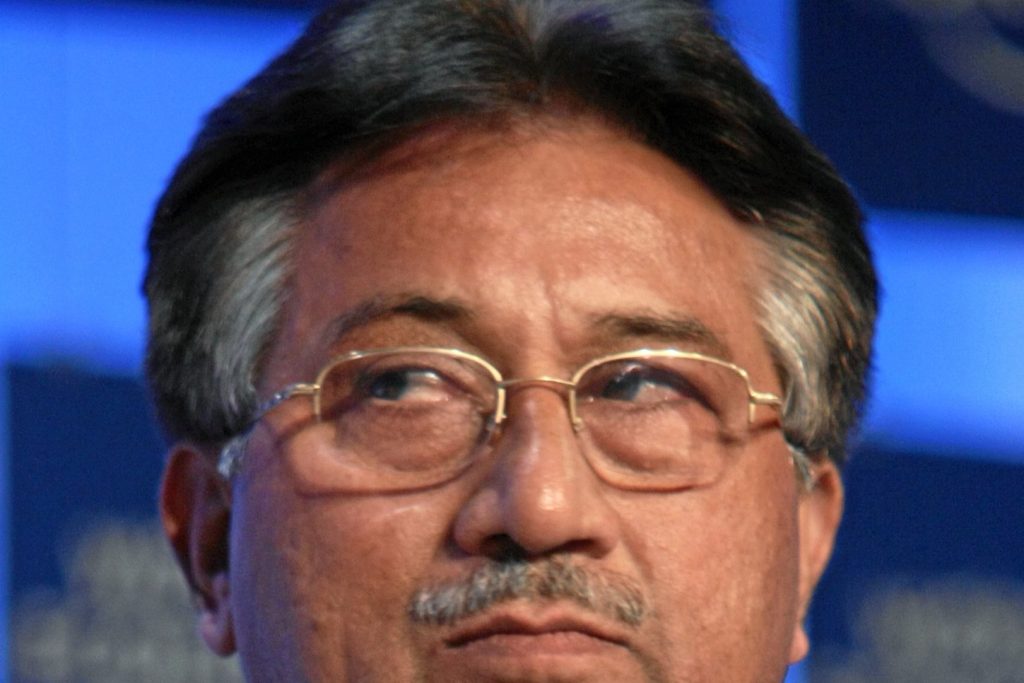
Pakistan’s Supreme Court Confirms Death Sentence for Former President Pervez Musharraf
When Pervez Musharraf passed away in a Dubai hospital in February 2023, he was already serving a death sentence handed down by Pakistan’s judiciary. The former president had been convicted of high treason four years earlier, in 2019, for actions taken on November 3, 2007.
On that date, while serving as both army chief and president, Musharraf suspended the constitution, declared a state of emergency, detained judges and ordered the shutdown of several television channels. Although he had already seized power in a 1999 military takeover, the 2007 move was described by the court as a brazen power grab that disrupted the country’s fragile democratic order. The Supreme Court’s 2019 verdict declared Musharraf guilty of high treason, a capital offence under Pakistani law, and sentenced him to death.
He never served time in a Pakistani prison; after leaving the country in 2016 for medical treatment he remained in self‑imposed exile in Dubai, where he died. Throughout the ensuing years his legal team filed appeals, arguing that the trial was politically motivated and suffered procedural flaws.
The Supreme Court reviewed those claims and, in its most recent ruling issued months after Musharraf’s burial abroad, upheld the original death sentence. This decision marks the first time a Pakistani court has not only convicted a former military ruler but also upheld a death sentence against him. Previous leaders such as Ayub Khan, Yahya Khan and Zia‑ul‑Haq also suspended constitutions or imposed martial law, yet none faced serious legal repercussions.
Musharraf’s case therefore breaks a longstanding pattern in which the judiciary has often validated military interventions justified by claims of civilian incompetence or chaos. The ruling carries symbolic weight because it comes after the defendant’s death.
It is not intended to punish a deceased individual but to affirm that the constitution cannot be set aside when it becomes inconvenient. The United States, a longtime ally of Pakistan, had previously criticised the 2007 emergency, emphasizing the importance of democratic institutions and the rule of law. The court’s alignment with those principles suggests a shift toward greater judicial independence, even when confronting a figure who once purged judges from the bench. Musharraf’s legacy remains mixed.
He is credited with modernising the economy in the early 2000s and liberalising the media landscape by permitting private television channels to operate. Conversely, he rigged a referendum to extend his presidency, struggled against a growing insurgency in the tribal regions and, according to the court, undermined the very democratic institutions he claimed to protect.
The Supreme Court’s decision does not bring him back to face justice, but it sends a clear message to future office‑holders: the constitution is safeguarded by the courts, and the law, though slow and imperfect, will eventually catch up with attempts to subvert it.




