
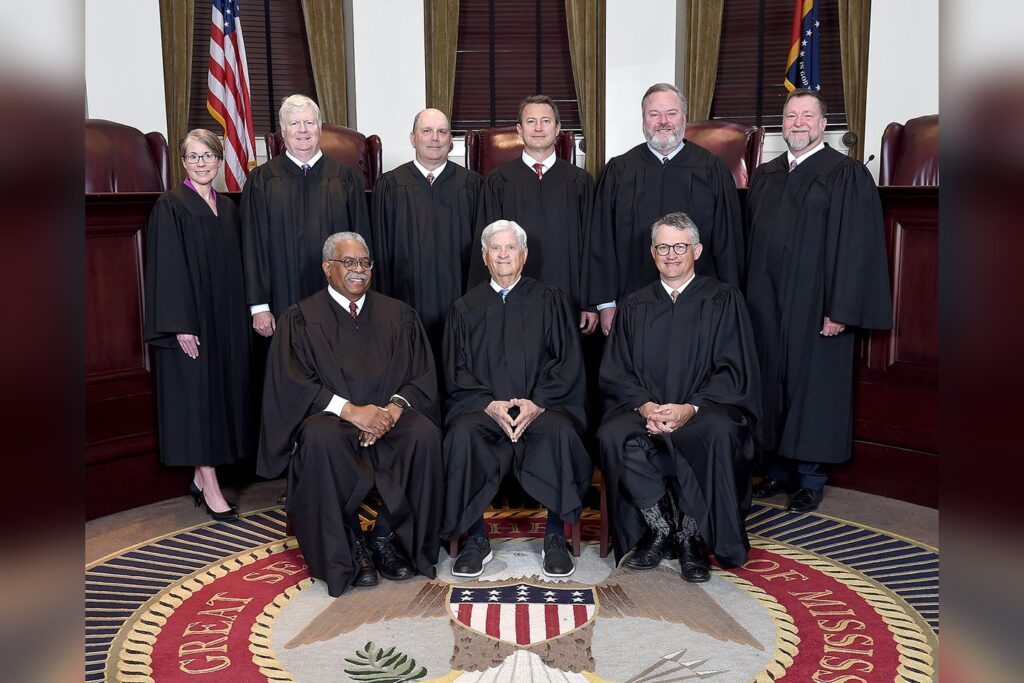
Constitutional Shift and Legal Uncertainty
If the Supreme Court moves to restrict birthright citizenship, the immediate effect would be a cascade of uncertainty. While the Court has occasionally revisited issues related to the rights of children of undocumented immigrants, the core doctrine of unconditional birthright citizenship has remained largely unaltered. The current deliberations mark a departure from that tradition. Any judicial narrowing would open multiple fronts of legal and political conflict. States could enact their own laws regarding citizenship documentation, leading to a patchwork of rules that vary by jurisdiction. Some states may move quickly to establish their own documentation standards; others may wait for federal guidance or court rulings. The result would be a fragmented system that challenges the uniformity of constitutional rights across the nation.
Further legal challenges are almost certain regardless of what Congress or the states do. The issue touches on constitutional interpretation, federal authority, and individual rights, drawing courts at multiple levels into the debate. Because the United States is a federal republic with a large land area and population, changes to citizenship rules affect a vast number of residents and alter the relationship between the federal government and individual states. Past efforts to address immigration and citizenship through statutory means have often encountered partisan gridlock, reflecting deep divisions over the balance between national sovereignty and individual rights.
Congressional and State-Level Responses
Legislative action in Congress is possible but far from certain. Any bill attempting to define or restrict birthright citizenship would need to clear a divided chamber and survive a likely filibuster—political hurdles that are real and substantial. Congressional attempts to modify birthright citizenship would intersect with longstanding legislative practices that have traditionally left the definition of citizenship to the judiciary and the Constitution. The current debate thus sits at the intersection of constitutional law, federal authority, and the political dynamics that shape legislative action.
State-level activity adds another variable. Some states may move quickly to establish their own documentation standards; others may wait for federal guidance or court rulings. This could create a jurisdictional patchwork, raising concerns about whether a constitutional right that has been uniform for generations would now vary by state. The principle of birthright citizenship has been a central part of the nation’s immigration framework for more than a century, but challenges to its scope have surfaced periodically, often in conjunction with broader debates over immigration policy and national identity. The current moment represents one of the most significant potential shifts since the amendment’s adoption.
Impact on Federal Enforcement and National Unity
Federal immigration enforcement would also feel the impact. Changes to who qualifies as a citizen at birth will ripple through agency procedures, record-keeping, and enforcement priorities. The federal immigration system relies on clear citizenship determinations to enforce laws, allocate resources, and process benefits. A change could require agencies to revise procedures for verifying citizenship, affect the eligibility of individuals for public services, and alter the demographic composition of the electorate. The practical effects could take years to fully play out.
The United States grew into a global power through its roles in both World Wars and the Cold War. Its legal interpretations of citizenship directly affect how the federal government manages its population. Altering the established rule would have far-reaching implications for the relationship between the federal government and the states, and for the uniformity of constitutional rights across the nation. Courts, legislators, and state officials all face complex decisions in the months and years ahead, as the debate over birthright citizenship continues to unfold.




