Travel got noticeably more expensive in 2026. The U.S. Travel Association said prices jumped sharply in March after staying fairly steady early in the year, and its latest Travel Price Index was up 5.8% on a year earlier and 2.8% from February on a seasonally adjusted basis.
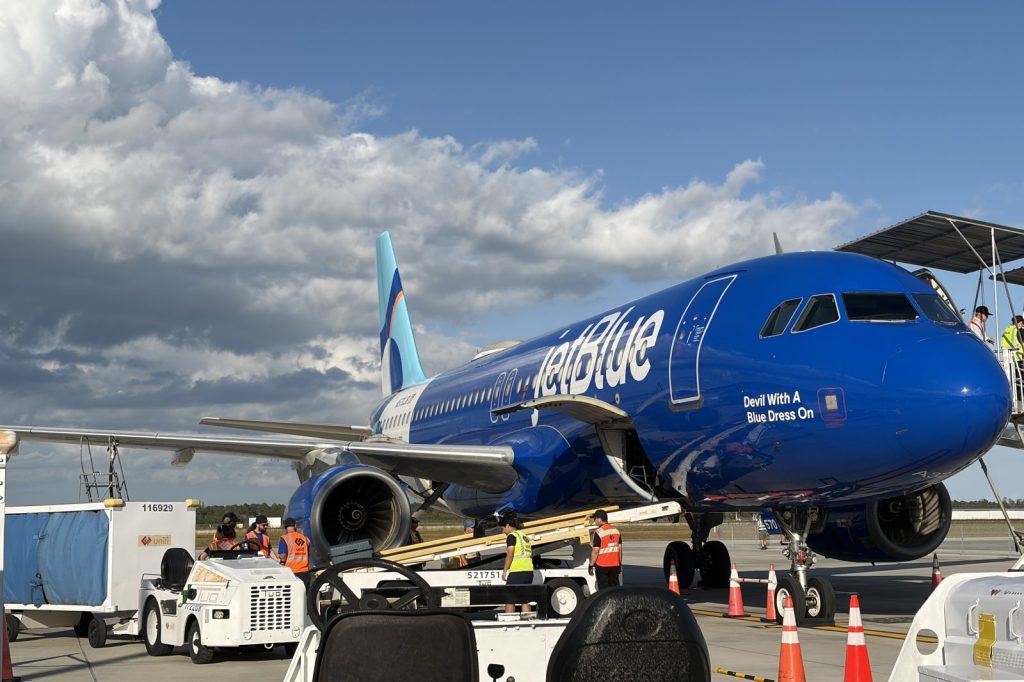
NerdWallet’s index, built on Bureau of Labor Statistics consumer price data, paints a similar picture. Overall travel costs were up 7% from the same time last year. Airfare rose nearly 15%, dining out 3.8%, entertainment 6.2% and hotel stays 2.1%.
Travel experts argue that smart planning can trim hundreds of dollars from a trip without making it feel like a downgrade. Here is what they suggest.
Trim the hotel bill
Jennifer Yellin, senior editor at Points Path, a free browser extension for Google Flights, said that when a flight lands late at night or leaves early in the morning, an inexpensive airport hotel can save hundreds of dollars. There is little point paying for a resort’s amenities you will not use until the next day. Many properties let guests use them before the room is ready and again after check-out.
Yellin also advised renting a car away from the airport. Rental agencies often tack on airport surcharges, and daily rates climb at busy times. A rideshare or taxi to an off-site location is a small detour that can pay off, she said, and some major companies let you return the car at the airport at no extra charge.
Pick the right season
Shoulder season only works if the destination is pleasant outside the summer peak, said Yvonne Sala, owner of Travels By Yvonne. She recommends Portugal, Northern Italy and much of Southeast Asia in spring and fall. “You get better hotel availability, fewer crowds, and more attentive service, while still enjoying great weather and the full experience,” she said. Other options include Japan in the fall for the foliage, and Greece in late May, when the sea is warm enough to swim in before the summer crowds arrive.
Eat like a local
Jurga Rubinovaite, founder of the family travel blog Full Suitcase, swaps restaurant lunches for picnics. Her family buys fresh food at a market or bakery and eats in a park, by a lake or at a viewpoint. It “can easily cut daily food costs in half,” she said. The approach suits areas near national parks, mountains and coasts, and road trips, though it works in cities in warm weather too. A room with a kitchenette lets you cook a few meals as well.
Use passes and points
Hristina Nabosnyi, co-founder of the UK-based travel blog CheckinAway.com, pointed to city passes that bundle top attractions with public transport. The Lisbon Card covers more than 50 attractions plus transport and starts at $36 a day. The Berlin Pass includes hop-on, hop-off bus access, admission to 25 sites, free museum entry and discounts, starting at $31 per person.
Nabosnyi also suggested heading to countries where the dollar is strong. Her examples, at September 2026 rates, were Argentina at 1,524 pesos to the dollar and South Africa at 17 rand. Some of these places are a long haul, but meals and hotels cost less once you arrive.
Rachel Lipson, founder of Brooklyn Family Travelers, recommended skipping the card portal and transferring credit card points to airlines and hotels, then spending them on five-star stays and premium economy or business class seats. Booking directly with the airline or hotel often unlocks trips that would otherwise be out of reach.