
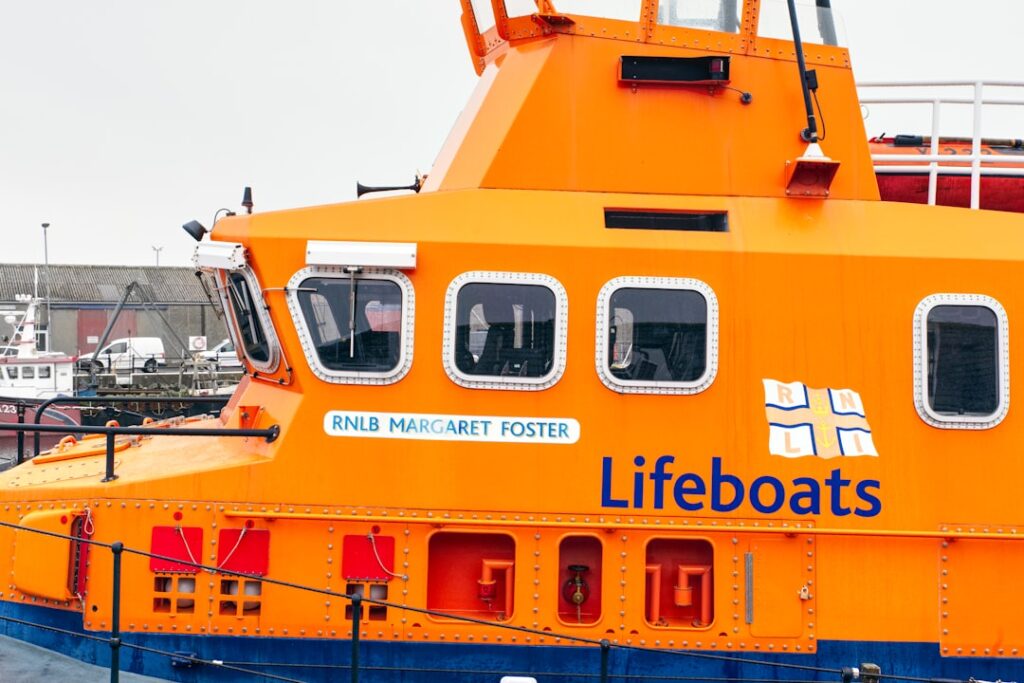
On December 29, rescue vessels pulled forty‑five individuals from the English Channel. Four of those rescued were taken directly to hospital for urgent care, while the remaining forty‑one received on‑scene treatment for hypothermia. Three bodies were also recovered from the water and transferred to a Kent coroner for identification, a process that may leave families in the migrants’ home countries without answers.
Strain on the Asylum and Health Systems
The forty‑five survivors now enter an already stretched United Kingdom asylum network. They will require shelter, legal assistance and health screenings, adding to a processing backlog that already spans years.
The four hospitalized patients need intensive‑care beds, nursing staff and translators, costs that local health trusts must absorb without prior warning. The system, not built for such volumes, creaks under the added pressure.
Operational Context in the Channel
French authorities initiated the rescue, with the British coast guard providing coordination. Both nations maintain patrols, drones and surveillance assets that routinely intercept boats, return people and process claims.
Despite these efforts, the flow of crossings continues unabated. The Channel remains the world’s busiest shipping lane, with vessels passing the Strait of Dover every few minutes. In December the water is cold, hypothermia sets in quickly, and although the narrowest span is only thirty‑four kilometres, currents and weather make the crossing deadly.
Underlying Drivers and Predictable Outcomes
The root causes — war, poverty and climate pressures — have not been addressed, making the December 29 deaths a symptom rather than an anomaly. Political reactions are expected to follow a familiar pattern: some will demand tougher deterrence, others will call for safer legal routes, yet no policy shift has historically lowered the death toll. For those desperate enough, the perceived incentives to attempt the crossing still outweigh the risks.
Legal Pathways and Community Impact
Those rescued will be processed under the Illegal Migration Act, which imposes strict time limits on claims. Many are likely to be deemed inadmissible; a fraction could be sent to Rwanda if that policy ever becomes operational, while others may vanish into the informal economy.
Local communities in Kent and Sussex witness the recurring scene: lifeboats launching, ambulances lining docks, volunteers distributing blankets and dry clothes. The human toll is visible on the beaches; the political cost is measured in Westminster.
Lack of Structural Change
The December 29 incident produced no new funding, no diplomatic breakthrough and no comprehensive solution. The rescue was swift, the medical response professional, yet the deaths were preventable and occurred nonetheless.
This pattern has repeated before and is likely to repeat again unless the underlying drivers are confronted and the system is fundamentally reshaped.




