
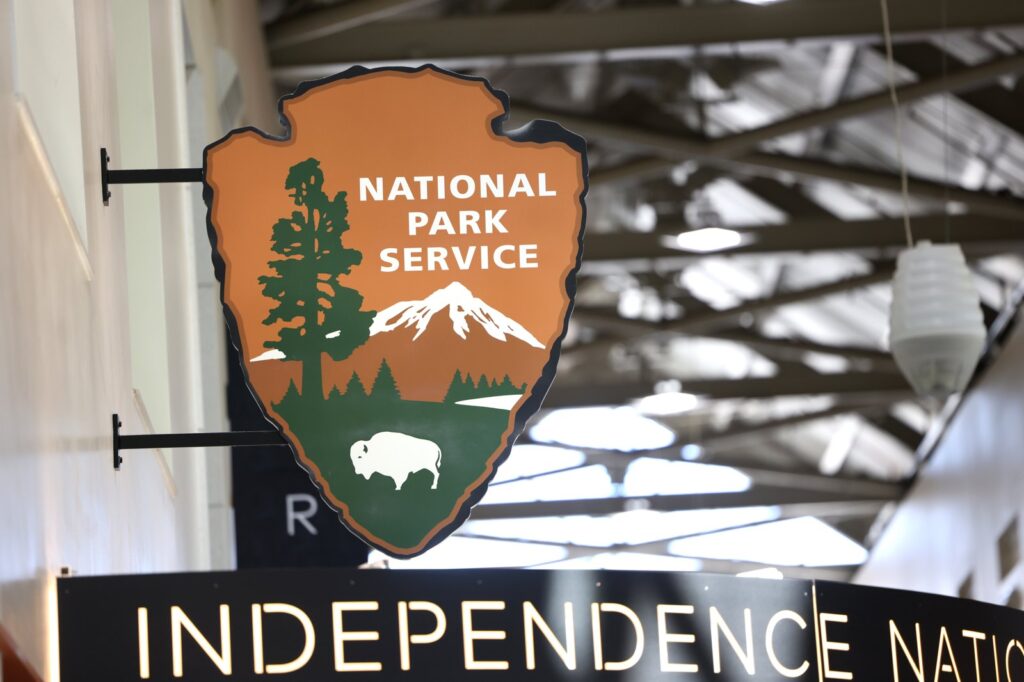
While millions of visitors flock to iconic sites like Yellowstone each year, a different category of American wilderness exists for those willing to navigate significant barriers to entry. These least-visited national parks offer rugged, isolated experiences that stand in stark contrast to the infrastructure-heavy tourism found in more accessible federal lands.
The Origins and Reach of the National Park Service
The National Park Service operates as an agency within the United States Department of the Interior, tasked with a broad mandate that balances public use with ecological protection. Congress created the agency on August 25, 1916, through the National Park Service Organic Act. This legislation directed the service to conserve scenery, natural and historic objects, and wildlife while providing for public enjoyment in a manner that leaves these resources unimpaired for future generations. The agency currently manages 433 units covering over 85 million acres across all 50 states and U.S. territories, supported by approximately 20,000 employees and hundreds of thousands of volunteers.
The concept of the national park system emerged from a desire to protect wilderness from the rapid expansion of the nineteenth century. Artist George Catlin, during an 1832 trip to the Dakotas, was perhaps the first to suggest the concept of a national park, arguing that Indian civilization, wildlife, and wilderness were in danger unless preserved by a great protecting policy of government. Yellowstone National Park became the first national park in the United States in 1872. At that time, the federal government managed the site directly through the army, including the famed African American Buffalo Soldier units, because no state government existed to oversee the territory.
Building a System of Federal Stewardship
The transition toward a formal, independent agency was spearheaded by business magnate and conservationist Stephen Mather. With the help of journalist Robert Sterling Yard, Mather directed a publicity campaign for the Department of the Interior that praised the scenic and historic qualities of the parks. This effort helped secure the political support necessary for the passage of the 1916 Organic Act. Mather served as the first director of the agency, setting the foundation for the management of diverse federal holdings that now range from natural parks to historic sites.
The administrative structure of these lands evolved significantly in the early twentieth century. On March 3, 1933, President Herbert Hoover signed the Reorganization Act of 1933, which granted the president the authority to transfer national monuments between governmental departments. Later that summer, President Franklin D. Roosevelt utilized this power after Deputy Director Horace M. Albright suggested that the National Park Service, rather than the War Department, should manage historic American Civil War sites. This shift solidified the role of the agency as the primary steward of the nation’s diverse natural and historic assets.
The Calculus of Remote Exploration
The least-visited national parks are defined largely by their geographic isolation and the lack of traditional infrastructure. While the National Park Service is charged with making these sites accessible, the rugged terrain of the most remote units often requires specialized planning and physical endurance. For the visitor, the absence of paved roads, visitor centers, and heavy foot traffic creates an environment that remains closer to the wild state envisioned by early conservationists. These locations serve as a reminder that the mission of the agency involves not just facilitating tourism, but maintaining the integrity of vast, untamed spaces.
Managing these remote areas requires a complex balancing act between ecological preservation and public enjoyment. The agency must provide enough infrastructure to ensure safety and access without compromising the very qualities that draw explorers to the wilderness. This mission is carried out across a wide spectrum of designations, ensuring that the federal government maintains a presence in both highly developed historic sites and the most inaccessible corners of the country. The ongoing role of the National Park Service remains the preservation of these diverse units, ensuring that the mandate established in 1916 continues to guide the management of over 85 million acres.
Managing Diverse Federal Lands
The current management of federal lands involves navigating both environmental challenges and legal scrutiny. Recent disputes, such as the litigation involving tree removal at the East Potomac Golf Links in Washington, D.C., highlight the complexities of agency operations. The D.C. Preservation League has challenged the removal of hundreds of trees at the site, leading to court orders that have temporarily halted operations. The Justice Department has argued that the judiciary should not interfere in the management decisions of the executive branch, illustrating the broader stakes involved in how federal agencies carry out their responsibilities.
The National Park Service continues to function as a central pillar of American land management, handling a diverse array of properties that define the national identity. Whether managing high-traffic monuments or remote wilderness areas, the agency relies on its foundational mandate to balance the competing interests of preservation and public access. As the agency moves forward under the current administration, the focus remains on the conservation of natural and historic objects. For the public, the existence of these remote parks provides a unique opportunity to engage with the wilderness, provided they are prepared for the challenges that come with visiting the most isolated reaches of the federal system.
Legal Challenges And Controversies
The National Park Service has faced legal challenges and controversies, particularly with regards to the management of historic sites and public lands. For instance, the D.C. Preservation League has challenged the removal of hundreds of trees at the East Potomac Golf Links in Washington, D.C., leading to a temporary halt in operations.
U.S. District Judge Ana Reyes has ordered the National Park Service to stop cutting down more trees in the park, with over 400 trees already removed. The Justice Department has argued that the judiciary should not interfere in the management decisions of the executive branch, highlighting the complexities of agency operations and the balance between preservation and public access.
Sources
- National Park Service
- Ousted MAGA Mouthpieceâs Photo Fix Fuels Fresh Trump Controversy
- Trump DOJ says judge questioned its lawyers’ intelligence
Photo: Gage Skidmore from Surprise, AZ, United States of America / wikimedia (CC BY-SA 4.0)




