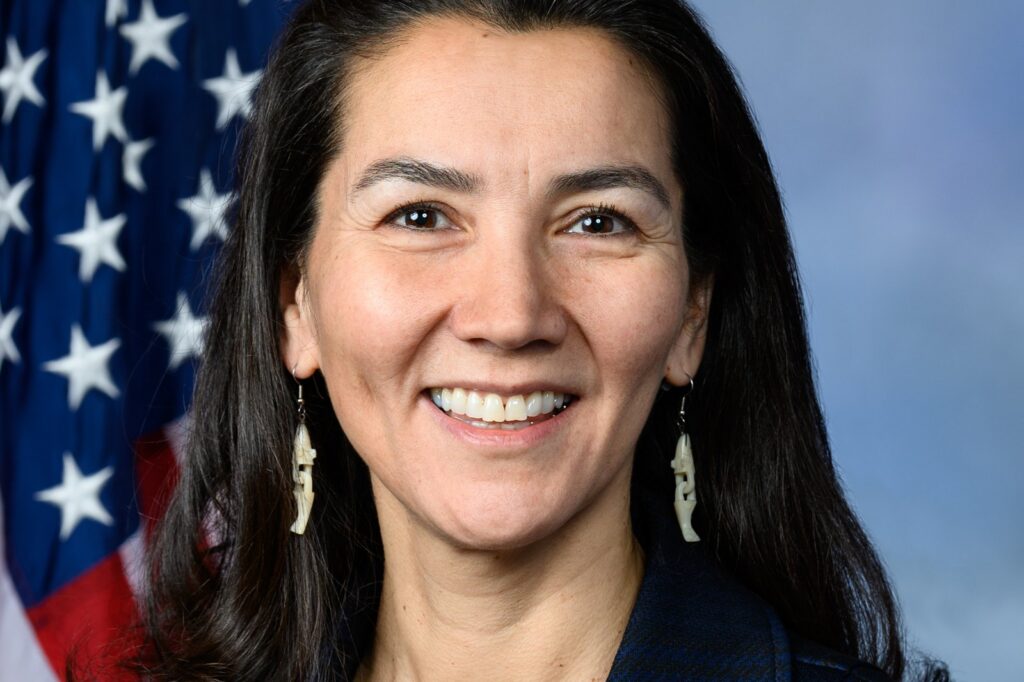
Alaska’s pivotal U.S. Senate race remains unresolved days after Election Day, with no candidate clearing the 50% threshold and the outcome now hinging on the state’s ranked-choice tabulation scheduled for November 18.
The Contenders and the Stakes
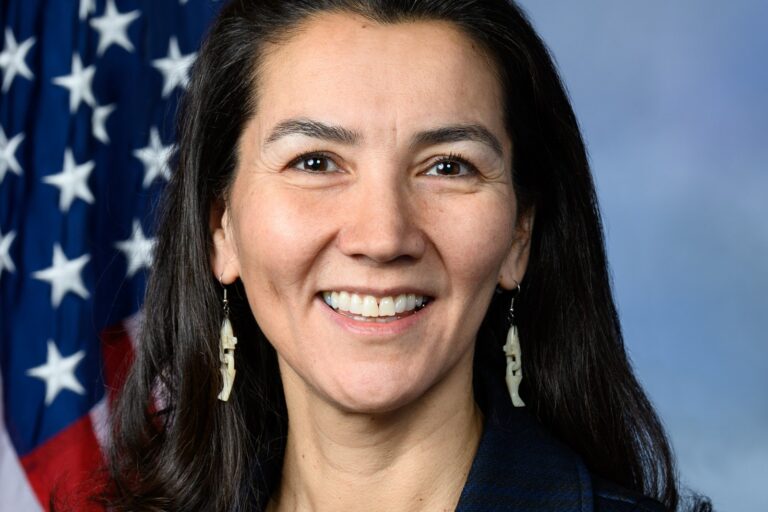
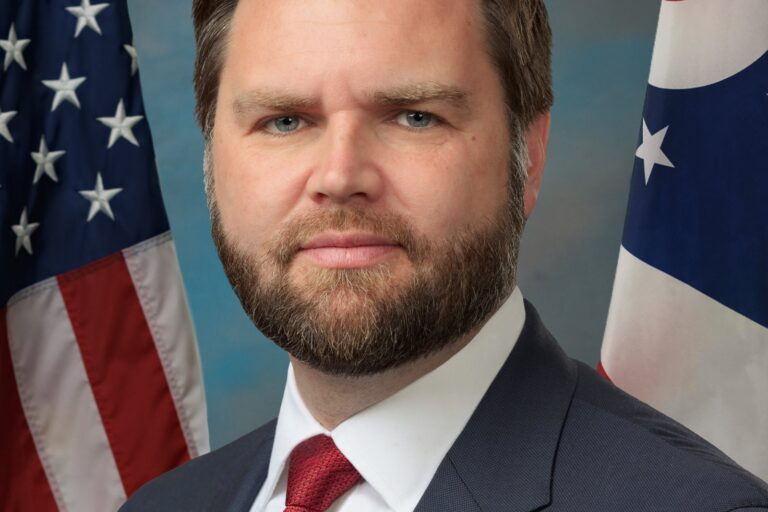
Republican incumbent Dan S. Sullivan is seeking a third term against Democratic former Representative Mary Peltola, who became the first Alaska Native elected to Congress in 2022. A third candidate, retired Petersburg teacher Daniel J. Sullivan, appears on the ballot as unaffiliated after the state Supreme Court allowed his candidacy to proceed despite Republican allegations he was recruited as a spoiler. Republican perennial candidate Gerald Heikes rounds out the field.
The seat is widely viewed as decisive for Senate control. Democrats have not won a Senate race in Alaska since 2008, and a Peltola victory would mark a significant flip in a cycle that has already delivered the party a commanding majority in the chamber.
How Ranked-Choice Voting Works Here
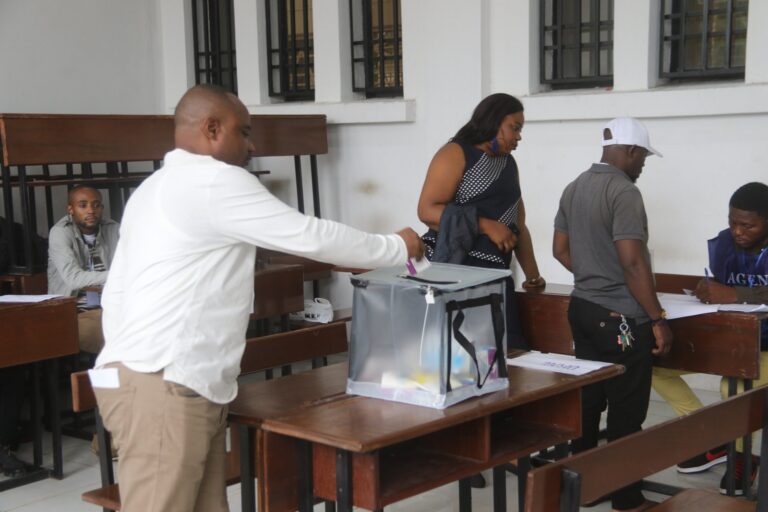
Alaska uses a ranked-choice system for federal races. Voters rank candidates in order of preference. If a candidate wins more than 50% of first-choice votes, the race ends. If not, the candidate with the fewest votes is eliminated and their supporters’ ballots are reallocated to the next ranked choice. The process repeats until one candidate crosses the majority threshold.
Election experts note this mechanic largely neutralizes the “spoiler” effect. If voters who selected the non-incumbent Sullivan ranked the senator as their second choice, those votes would ultimately flow to him in the tabulation rounds.
The Numbers So Far
Daniel J. Sullivan held 1.7% and Heikes 2.3%. Thousands of absentee, early, and rural ballots remain uncounted; the state accepts ballots for days after the election.
Both candidates struck confident tones on election night. Peltola told supporters in Anchorage, “We are winning our state back,” while Sullivan, speaking at the Hotel Captain Cook, predicted the “blue wave” in the Lower 48 would not crest in Alaska.
The Legal Fight
The Trump administration filed a federal lawsuit seeking to block certification if the incumbent Sullivan lost narrowly, arguing the shared name created voter confusion. The suit asked a court to segregate ballots cast for the non-incumbent Sullivan and allow federal investigators to probe voter intent.
U.S. District Judge Sharon Gleason dismissed the case on Sunday. She ruled the government failed to outline a realistic remedy or a method to investigate intent without violating ballot secrecy, and warned that segregating ballots days before the election could itself confuse voters and depress turnout.
What Comes Next
The Division of Elections will continue counting outstanding ballots. If no candidate surpasses 50% of first choices once counting concludes, the ranked-choice tabulation will run on November 18 to determine the winner.
Sources
- 2026 United States Senate election in Alaska
- Sullivan and Peltola locked in tight U.S. Senate race as more results come in
- Alaska's all-important Senate race is roiled by a report on alleged spoiler candidate
- Alaska’s U.S. Senate race has a two-Dan problem. Despite much ado, experts say that’s unlikely to matter.
- Alaska’s US Senate race a tossup, with many absentee and early votes to be counted
- Which Senate, governors races are still uncalled by The Associated Press
Photo: Leah Herman, House Creative Services (Public domain)