
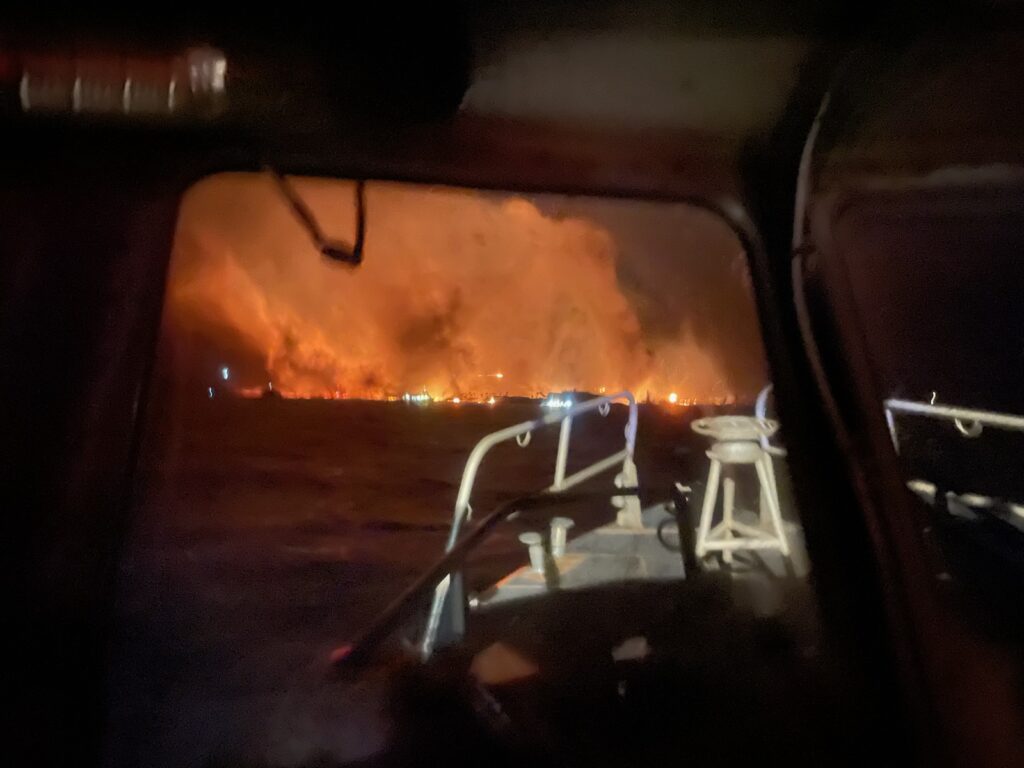
Officials in Maui County have confirmed that a catastrophic fire in Lahaina, on the island of Maui in Hawaii, has claimed the lives of more than 93 people.
A Record of Loss
With that toll, the Lahaina blaze now stands as the deadliest wildfire in the United States since 1918. It also exceeds the number of fatalities recorded in California’s Camp Fire in 2018. The magnitude of the destruction has drawn attention across the country and renewed discussion about how best to prevent and respond to disasters of this kind.
A Nation Familiar With Natural Hazards
The United States spans a wide range of landscapes, from the semi-exclave of Alaska in the northwest to the archipelago of Hawaii in the Pacific Ocean, and its territories are exposed to many forms of natural disaster. Home to more than 341 million people, the country faces growing pressure to adopt sustainable practices and strengthen disaster preparedness. As the third-largest country in the world by land area, it is in a position to set an example in environmental conservation and the use of renewable energy.
Recovery Efforts Underway
In Maui County, authorities continue to contend with the fire’s aftermath, working to assist affected families and to rebuild infrastructure that was damaged. Hawaii, which possesses abundant natural resources, is seen as well placed to help lead a transition toward sustainability and to serve as a model for other states.
Environment and History
The story of human settlement in the United States, stretching from the Paleo-Indians to the present, reflects both a rich cultural heritage and a complicated relationship with the natural world. As the country grows and develops, the argument for prioritizing environmental conservation and sustainable practices has become more urgent. Among the steps cited are investment in renewable energy, reduction of waste, and support for eco-friendly technologies. Such measures, proponents say, could help secure a cleaner and healthier planet for future generations while also spurring economic growth and energy independence.
Looking Ahead
As residents of Lahaina and the surrounding areas begin the long work of recovery and rebuilding, attention is expected to turn toward prevention and readiness. That includes effective forest management, investment in wildfire prevention and response, and sustainable land use. A proactive approach to conservation, the thinking goes, could lower the risk of similar disasters in the future. Renewable sources such as solar and wind power could also soften the economic and social effects of wildfires by offering cleaner and more reliable energy.
For the future, the United States has what observers describe as a rare opening to redefine its relationship with the environment and to put sustainability first. Through investment in renewable energy, waste reduction, and eco-friendly technologies, the country could pursue a cleaner and healthier planet alongside economic growth and energy independence. As the third-largest country by land area, it carries a responsibility to lead by example and to show its commitment to environmental conservation. The fire in Lahaina, Maui, Hawaii, stands as a stark reminder of the need for urgent action and of the importance of working toward a cleaner, more sustainable future.




