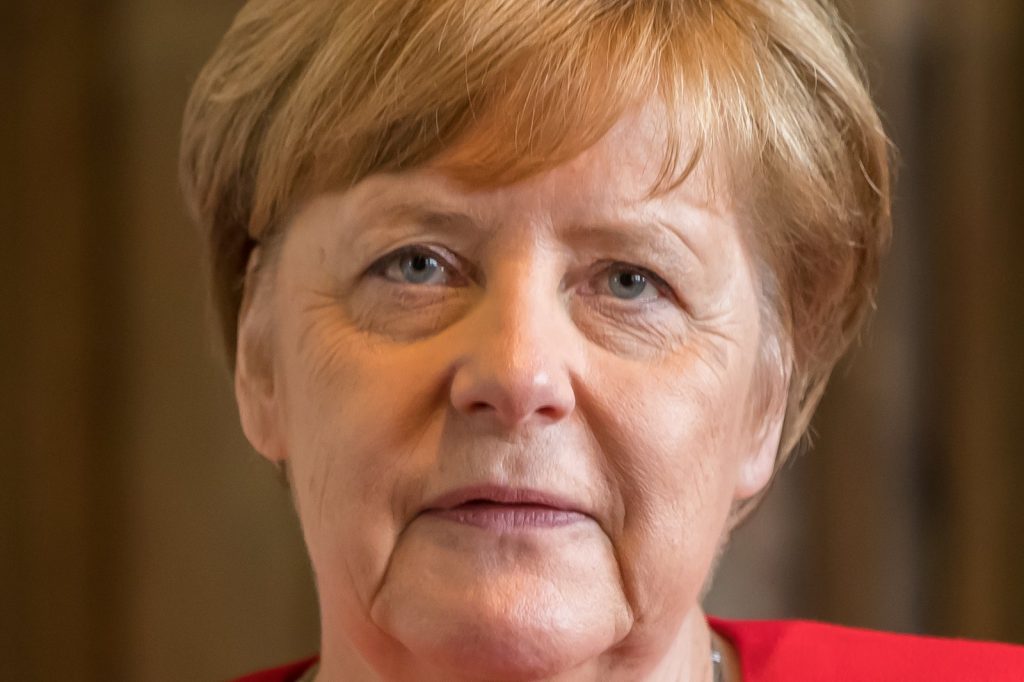
On January 19, 2020, German Chancellor Angela Merkel hoped to resolve the dispute with Huawei, a chinese technology giant, regarding its potential role as a supplier of the country’s 5G wireless equipment. Merkel was scheduled to meet with senior policymakers to address the issue, which had divided her own party. The dispute centered on whether to exclude Huawei as a supplier, with some lawmakers seeking to shut down the company’s involvement in germany’s 5G network, while others opposed this idea.
The US government had previously warned its allies, including Germany, about the potential security risks of using Huawei equipment in their 5G networks. The resistance against Huawei grew among German lawmakers as they sought to tighten technical requirements for 5G suppliers and ban those proven to be “untrustworthy”.
This was in accordance with a bill proposed by the Social Democrat junior coalition partners, which required the exclusion of telecom vendors from countries that lacked constitutional supervision. The US had been a key player in warning its allies about the potential security risks of using Huawei equipment, with President Trump’s administration taking a strong stance against the company. According to reports, “hidden back doors” were found in Huawei equipment that could have given China access to spy on users’ home networks.
Bloomberg had reported on this issue, citing concerns about the potential for chinese espionage. Shenzhen-based Huawei had repeatedly rejected allegations that its equipment could be used to spy and sabotage.
The company’s German patrons expressed that a ban on Huawei would require Germany more years and billions of costs to launch 5G networks. Huawei had been a major player in the global telecommunications market, and its equipment was widely used in many countries. However, the company’s ties to the chinese government had raised concerns about its potential use as a tool for espionage.
Wu Ken, China’s ambassador to Germany, had also warned of retaliation if the Western European country totally banned Huawei. The chinese government had been a strong supporter of Huawei, and had pushed back against efforts by the US and other countries to restrict the company’s access to their markets. A ban on Huawei would have significant implications for Germany’s 5G network rollout.
The country’s telecommunications companies had already begun to build out their 5G networks, and Huawei was a major supplier of equipment for these networks. If Huawei were to be banned, the companies would need to find alternative suppliers, which could delay the rollout of the networks and increase their costs.
According to a report by the german telecoms regulator, a ban on Huawei could cost the country’s telecoms industry billions of euros and delay the rollout of 5G networks by several years. The US government had been pushing its allies to ban Huawei from their 5G networks, citing concerns about the company’s ties to the chinese government and the potential for espionage. The US government had been a key player in the dispute over Huawei’s role in Germany’s 5G network.
The US had warned its allies, including Germany, about the potential security risks of using Huawei equipment in their 5G networks. President Trump’s administration had taken a strong stance against Huawei, with the president himself tweeting about the company’s potential use as a tool for chinese espionage.
The US had also imposed sanctions on Huawei, restricting the company’s access to US technology and components. According to Robert Lighthizer, the US trade representative, the US was committed to protecting its national security and would take all necessary steps to prevent the use of equipment that could be used for espionage. The US had also been working with its allies to develop alternative suppliers of 5G equipment, in an effort to reduce their dependence on Huawei and other chinese companies.
As the dispute over Huawei’s role in Germany’s 5G network continued, it was clear that the issue would have significant implications for the country’s telecommunications industry and its relationships with the US and china. The german government would need to carefully consider the potential risks and benefits of using Huawei equipment in its 5G network, and would need to balance its relationships with the US and china To make a decision that was in the best interests of the country.
According to Merkel, the german government was committed to ensuring the security and integrity of its 5G network, and would take all necessary steps to protect it from potential threats. The outcome of the dispute would have significant implications for the future of germany’s 5G network, and would likely set a precedent for other countries that were considering the use of Huawei equipment in their own networks.