
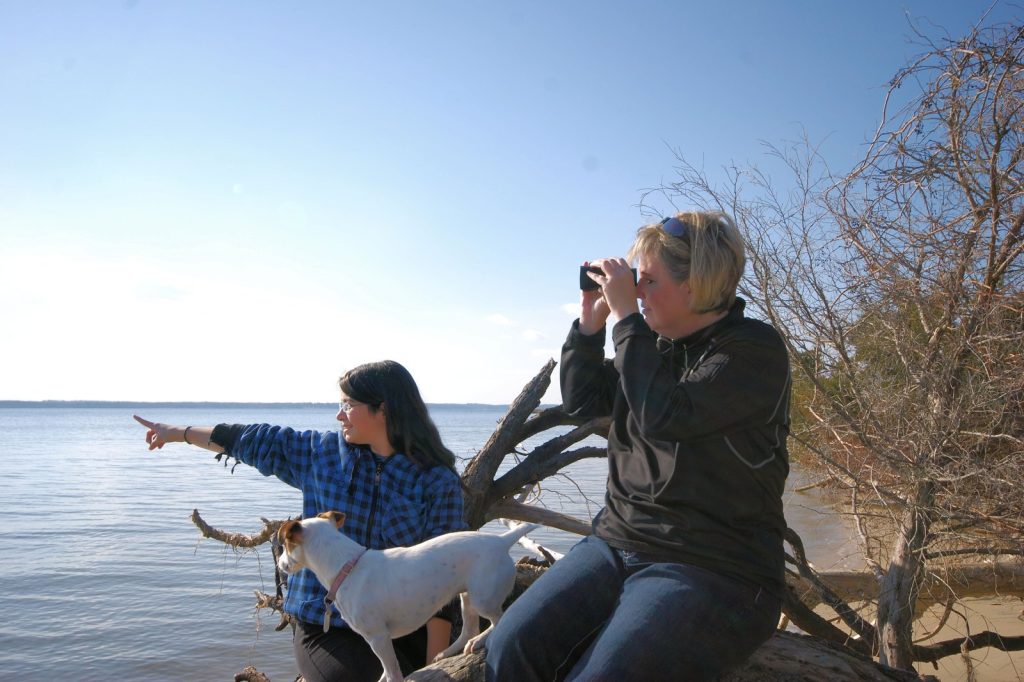
BIRD WATCHING — The best months for bird watching are generally during the spring and fall migrations, when a wider variety of birds are passing through, making it easier to spot rare and interesting species. That is the bottom line for anyone looking to maximize their time in the field. The answer, however, depends largely on your location and the birds you wish to see.
Bird watching, also known as birding, is an increasingly popular activity enjoyed by millions worldwide. Beyond the simple pleasure of observing these fascinating creatures, it offers a multitude of benefits, from connecting with nature to contributing to scientific research.
The ability to identify different species, understand their behaviors, and appreciate their role in the ecosystem adds layers of depth to the experience. A fundamental aspect of successful bird watching is understanding migration patterns. Most birds migrate to breed in areas with abundant resources during the warmer months and then move to warmer climates with more food during the colder months.
These migrations happen in the spring and fall, and these are the periods when the best months for bird watching are most frequently considered. Understanding these cycles drastically increases your chances of seeing a greater diversity of bird species.
Spring migration, typically from March through May in North America, brings a symphony of song and color as birds move north to their breeding grounds. Fall migration offers a subtle shift, equally rewarding, as birds head south. Location, location, location: tailoring your birding experience is key.
A month-by-month guide for North American examples can help birders plan their outings. Essential gear and ethical birding practices also play a role in a successful trip. For those looking ahead, the fall migration window will open in late August through October, offering another prime period for spotting a wide array of species.




