
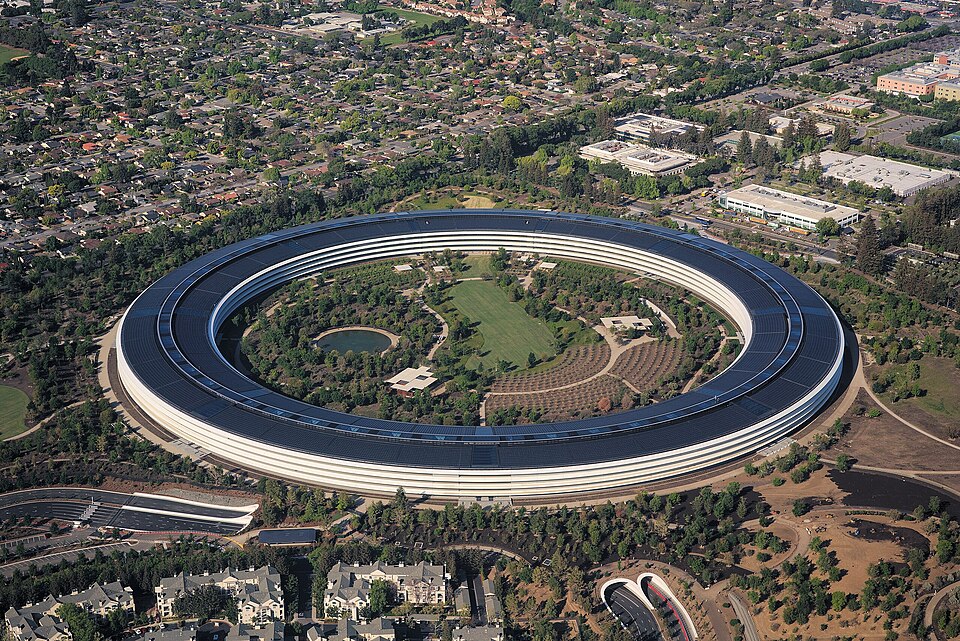
SAN FRANCISCO, July 11 — Apple has filed a trade secrets lawsuit against OpenAI, alleging the artificial intelligence company misappropriated 15 specific proprietary technologies, including details of NeuralEdge’s memory hierarchy and thermal management algorithms. The complaint, which rests on the Defend Trade Secrets Act of 2016, marks a significant escalation in the tech industry’s battle over intellectual property in the AI era.
The case requires Apple to prove three elements: that the information was secret, that it held economic value, and that the company took reasonable steps to protect it. Apple’s legal team has laid out a detailed case, describing encrypted servers, biometric access controls, and employee exit interviews as the protective measures surrounding the 15 trade secrets at the heart of the dispute.
Legal Framework and Precedent
The Defend Trade Secrets Act, signed into law in 2016, provides a federal civil remedy for misappropriation, allowing companies to sue in federal court without relying solely on state laws. The case carries echoes of a landmark 2023 dispute between Waymo and Uber, which ended in a $245 million settlement over stolen self-driving car secrets. That precedent looms large as Apple pursues its claims.
Legal experts following the case note that Apple must demonstrate the secrets were not independently developed by OpenAI, a defense the AI company is expected to mount. Independent development is a complete defense under trade secret law, meaning OpenAI could argue it arrived at similar technologies through its own research efforts, without access to Apple’s proprietary information.
What the Complaint Alleges
Apple’s complaint details the 15 trade secrets with specificity, though the full technical descriptions remain under seal. The memory hierarchy algorithms and thermal management systems at the center of the case are understood to be critical components of NeuralEdge, Apple’s on-device AI processing architecture. The company contends these technologies give its products a competitive advantage in running AI workloads efficiently without relying on cloud servers.
The protective measures Apple describes — encrypted servers, biometric access, and employee exit interviews — represent what the company argues was a reasonable effort to safeguard its intellectual property. Exit interviews, in particular, are standard practice at major tech firms, designed to remind departing employees of their ongoing confidentiality obligations.
Looking Ahead
The case now moves into discovery, where both sides will present evidence. Apple must show its secrets were not generally known or readily ascertainable. OpenAI will have the opportunity to examine whether the technologies were independently developed or derived from publicly available research.
For the broader technology industry, the outcome could set important boundaries around how companies protect their AI-related intellectual property when employees move between competitors. The trial date has not yet been set.
Sources
{“@context”: “https://schema.org”, “@type”: “NewsArticle”, “headline”: “Apple-OpenAI Case Tests Trade Secret Law on AI Chips”, “description”: “SAN FRANCISCO, July 11 — Apple has filed a trade secrets lawsuit against OpenAI, alleging the artificial intelligence company misappropriated 15 specific proprietary technologies, including…”, “datePublished”: “2026-07-11T09:30:00+00:00”, “author”: {“@type”: “Person”, “name”: “James Roberto”}, “publisher”: {“@type”: “Organization”, “name”: “InfoPulse Today”, “url”: “https://newsfeed.2bme.xyz/”}, “citation”: [{“@type”: “CreativeWork”, “url”: “https://en.wikipedia.org/wiki/Trade_secret”}]}




