
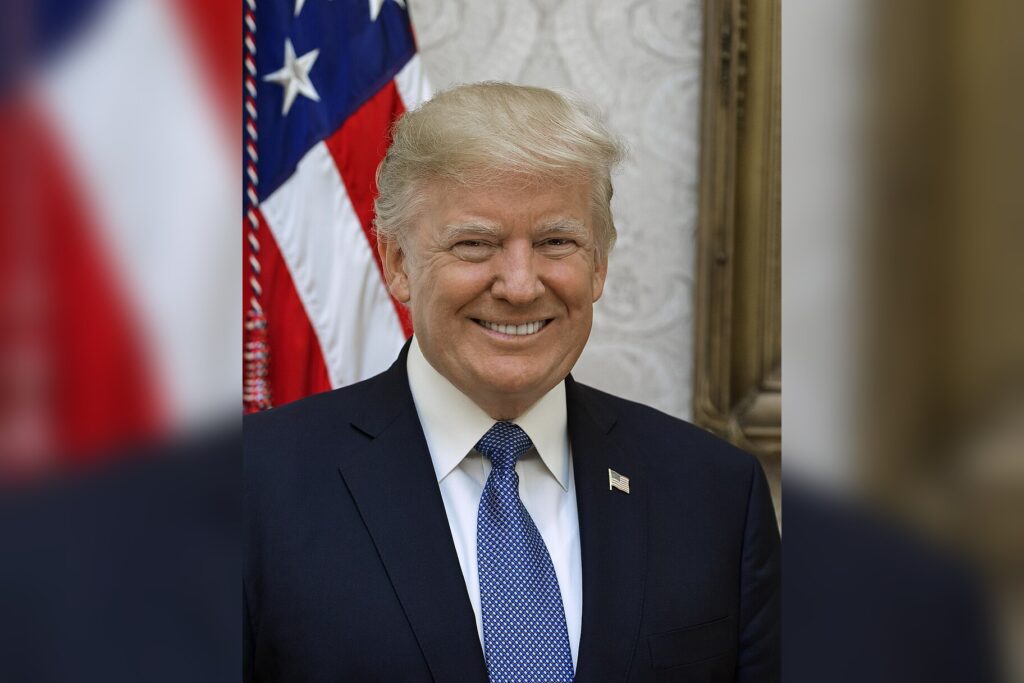
Donald Trump won the presidency in 2016 on a simple promise: he would not negotiate with America’s adversaries. He made that pledge a central plank of his political identity. It defined his brand of strength.
That brand is now in tatters among the voters who believed it most. A Reuters report this week details the collapse.
The specific trigger is the Iran war agreement — an interim deal Trump struck to end the conflict. It reopened the Strait of Hormuz. It lifted U.S. oil sanctions on Iran.
It authorized a reconstruction fund. And it has dragged his approval ratings to historic lows.
For the conservative base, the optics are devastating. They elected a dealmaker who said he would not deal. He dealt.
The fallout is showing up in interviews with voters who helped put him in office. Juan Rivera, 26, a Trump voter who recently canvassed Latino voters near San Diego, put it bluntly: “He criticized his predecessors about negotiating with terrorists, and he’s basically done the same exact thing.” That frustration cuts to the core. It is not a single poll number.
It is the cumulative weight of broken promises. This is how the coalition fractures.
Not with a bang, but with a slow, grinding sense of betrayal. Rivera told Reuters that conservatives are so “demoralized” by the president’s handling of the war that they are prepared to take out their frustrations on Republican candidates on the ballot in November. That is the real bottom line for the GOP.
Not a primary challenge to Trump. A voter base that stays home — or votes against his party.
The economics make it worse. The punishing tariffs that have gutted small businesses are part of the same toxic combination of failures. Voters who backed Trump on a platform of strength see the trade war as another promise broken.
The tariffs were supposed to bring back jobs. Instead, they hit small businesses hardest. The Iran deal added economic pain — reopening the Strait of Hormuz stabilized oil markets, but the reconstruction fund and lifted sanctions undercut the president’s own rhetoric.
The interviews suggest a voter base that feels betrayed. Not by Democratic opposition.
By the president they elected to shake up Washington. The litany of broken campaign promises is long. The Iran deal is the one that broke the camel’s back.
How did it come to this? Trump campaigned as the anti-Obama on foreign policy.
He mocked the 2015 Iran nuclear deal as a disaster. He promised to tear it up and never repeat its mistakes. He did tear it up.
Then he made a worse one from the perspective of his base — a war-ending deal that required negotiating with the same adversaries he had sworn to confront. The optics of that reversal are what Rivera and others cannot stomach. The timing matters.
The midterm elections are months away. Republican candidates who tied themselves to Trump’s agenda now face a demoralized base.
The voters who knocked on doors, who donated, who believed — they are the ones who feel the betrayal most acutely. And they are the ones who will decide whether the GOP holds the House and Senate. This is not a story about polls.
It is a story about the gap between a promise and a result. Trump promised strength.
He delivered a deal with Iran. His voters noticed. The GOP will pay the price.
{“@context”: “https://schema.org”, “@type”: “NewsArticle”, “headline”: “Trump’s Iran deal erodes his 2016 pledge on negotiating with adversaries”, “description”: “Donald Trump won the presidency in 2016 on a simple promise: he would not negotiate with America’s adversaries. He made that pledge a central plank…”, “datePublished”: “2026-06-27T11:54:00+00:00T09:30:00+00:00”, “author”: {“@type”: “Person”, “name”: “Ava Anderson”}, “publisher”: {“@type”: “Organization”, “name”: “InfoPulse Today”, “url”: “https://newsfeed.2bme.xyz/”}}




