
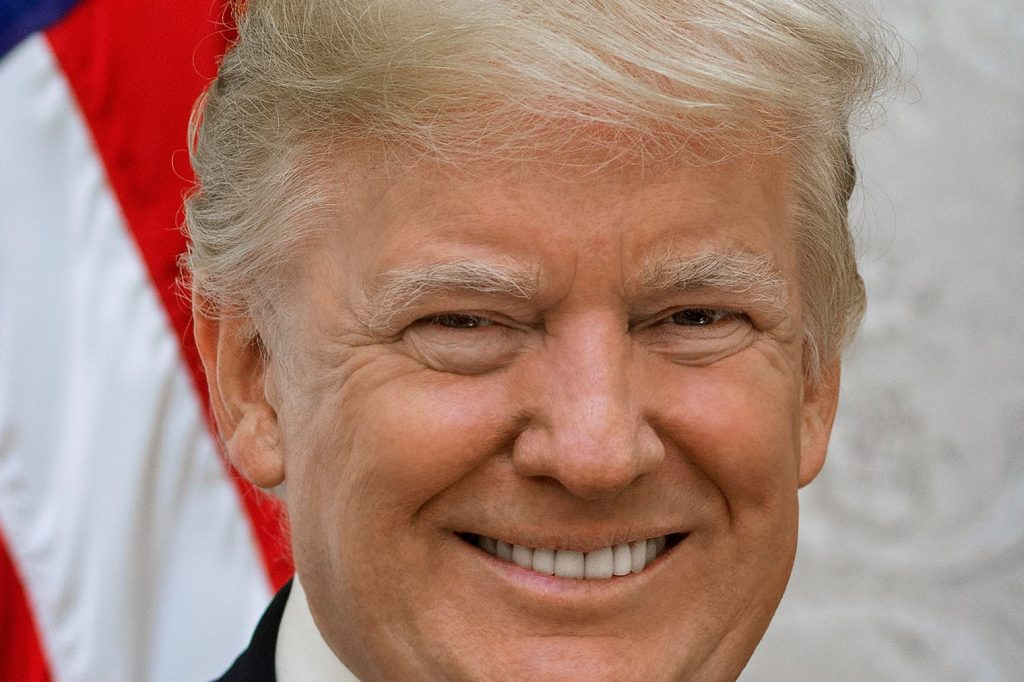
National emergencies don’t expire just because a president wants them to. They expire because the threat does. This week, President Trump signed continuations for three of them — Russia, South Sudan, and malicious cyber-enabled activities — sending a clear signal that none of those dangers have faded.
The Russian emergency dates back years, to an initial declaration responding to what the administration calls “specified harmful foreign activities.” Trump’s extension acknowledges that those activities haven’t stopped. The same order that triggered the original emergency still governs the response.
Nothing has changed on the ground, and the paperwork reflects that. South Sudan is a different story. That emergency began amid civil war and humanitarian collapse.
It stays in place because the situation there remains unstable. The administration is not declaring victory and walking away.
It is saying, plainly, that the conditions that warranted emergency powers still exist. The cyber emergency is perhaps the most telling. Malicious cyber-enabled activities — hacking, ransomware, election interference — are not a single event.
They are a continuous, evolving threat. The extension amounts to an admission that the government cannot treat this as a one-time problem. It is permanent, at least for now.
These three continuations came as part of a broader week of executive action. The president also issued a proclamation for National Agriculture Day, 2026, recognizing the agricultural sector’s role in the economy and food security.
And he marked Greek Independence Day with a separate proclamation, celebrating the heritage of Greek Americans and the historical ties between the two nations. But the emergency extensions carry more weight. They are not ceremonial.
They keep in place the legal machinery the president needs to impose sanctions, restrict transactions, and take other actions without waiting for Congress. That is substantial power.
Extending it means the administration sees no reason to give it back. Critics might argue that emergency declarations have become routine, that they linger long after their original justification. The administration’s response is implicit in the action itself: the threats are real, they are ongoing, and the tools to fight them should not be surrendered prematurely.
The Russian extension is the most consequential. Relations with Moscow remain frozen. Sanctions remain in place.
The emergency declaration is the legal foundation for much of that posture. Letting it lapse would send a signal the administration clearly does not want to send.
On cyber, the stakes are different but no less serious. The emergency declaration gives the president authority to block assets, deny visas, and impose other penalties on entities engaged in malicious cyber activity. That authority is used quietly, often without public notice.
The extension ensures it remains available. South Sudan is the outlier — a conflict that has faded from headlines but not from the administration’s attention.
The emergency there covers sanctions on individuals and entities contributing to the conflict. It is a tool of pressure in a part of the world that rarely makes the news. None of these extensions made headlines on their own.
They are bureaucratic necessities, signed and filed. But they reveal something about how this administration sees the world: as a place where threats do not disappear, where vigilance is not optional, and where emergency powers are not temporary measures but standing tools of governance. The president did not hold a press conference on any of them.
There were no photo ops. Just signatures on paper, keeping the machinery running.
{“@context”: “https://schema.org”, “@type”: “NewsArticle”, “headline”: “Trump Extends Three National Emergencies Citing Ongoing Threats”, “description”: “National emergencies don’t expire just because a president wants them to. They expire because the threat does. This week, President Trump signed continuations for three…”, “datePublished”: “2026-03-28T23:30:00+00:00T09:30:00+00:00”, “author”: {“@type”: “Person”, “name”: “Noah King”}, “publisher”: {“@type”: “Organization”, “name”: “InfoPulse Today”, “url”: “https://newsfeed.infopulsetoday.com/”}}




