
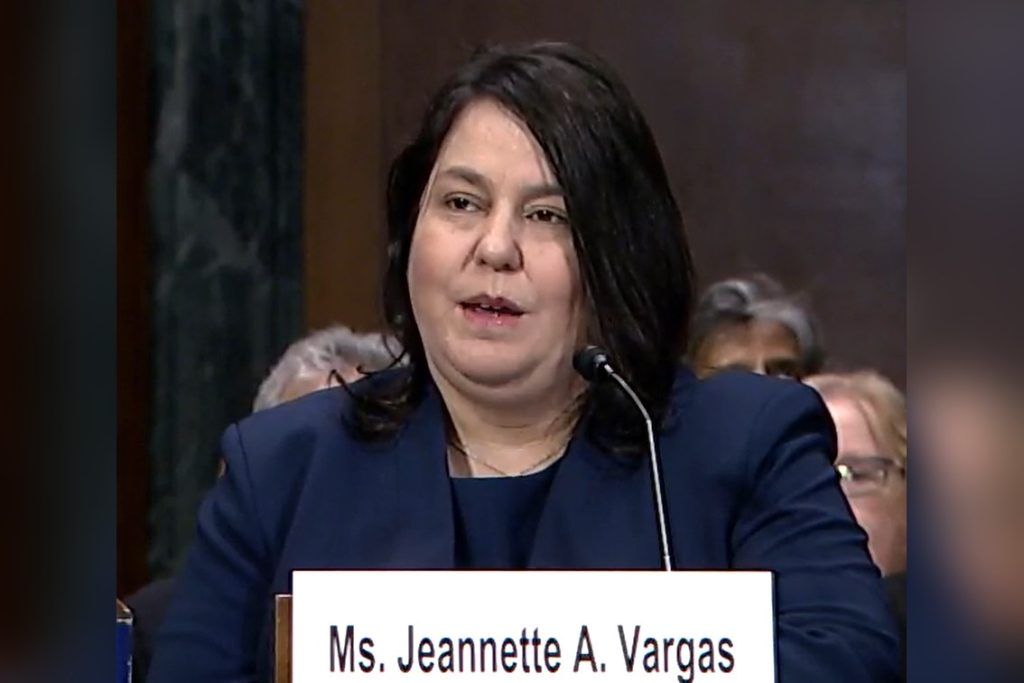
NEW YORK, September 1 — A federal judge in New York has ruled that the Trump administration’s sweeping visa ban targeting nationals of 75 countries violates the Immigration and Nationality Act of 1965, ordering the resumption of case-by-case processing for affected applicants. On August 21, U.S. District Judge Jeannette Vargas issued a 61-page decision in Catholic Legal Immigration Network, et al, v. Marco Rubio, finding that the policy announced by Secretary of State Marco Rubio in January 2026 exceeded the secretary’s regulatory authority and violated the INA’s anti-discrimination provisions.
The ban had barred nationals from countries across Africa, Asia, the Caribbean, Latin America, the Middle East, and specific nations including the Bahamas, Burma, Cambodia, Colombia, Kuwait, Russia, Rwanda, and Sudan from receiving immigrant visas, even if otherwise eligible. Judge Vargas stated the policy was “irreconcilable with the INA’s antidiscrimination provision” and constituted an unlawful overreach of congressional limits on executive power.
The ruling requires the administration to resume individual visa adjudications for nationals of the 75 affected countries and comply with the INA’s non-discrimination mandate. Plaintiffs — including the Catholic Legal Immigration Network, African Communities Together, and a dozen individual applicants — filed the case in February 2026, represented by Democracy Forward, the National Immigration Law Center, the Legal Aid Society, the Western Center on Law and Poverty, the Center for Constitutional Rights, and Colombo and Hurd.
On August 27, they submitted an emergency motion urging Judge Vargas to enforce her ruling despite the administration’s pause on worldwide visa processing, which it said was for embassy staff training. Diana Konate, deputy executive director of African Communities Together, said the administration “cannot keep circumventing the legal system” and demanded visa processing resume.
Skye Perryman, president of Democracy Forward, called the extended visa hold “just as illegal and unenforceable” as the struck-down ban and accused the administration of “egregiously and flagrantly ignoring a duly issued court order.” Antionette Dozier, senior attorney for the Western Center on Law and Poverty, praised the ruling as ending a “pernicious” policy that barred families from reunification.
Anna Gallagher, executive director of Catholic Legal Immigration Network, said the decision allows separated families to be considered for visas based on need rather than nationality, aligning with Catholic social teaching on family dignity. The State Department responded by labeling Judge Vargas a “rogue judge,” with spokesperson Tommy Pigott asserting that “American taxpayer-funded public benefits belong to Americans” and that immigrants must be financially self-sufficient.
The administration’s use of the term “rogue” or “activist” to describe judges had occurred in approximately 200 instances as of May 2026, according to the American Bar Association, which noted that many adverse rulings came from Republican-appointed judges across the country, not just a liberal subset. The decision marks a significant judicial check on executive immigration authority under the current administration.
Observers will watch for compliance with the court’s order and any potential appeal by the Department of Justice. For now, the ruling reinstates a pathway for family reunification grounded in individual merit rather than national origin.




