
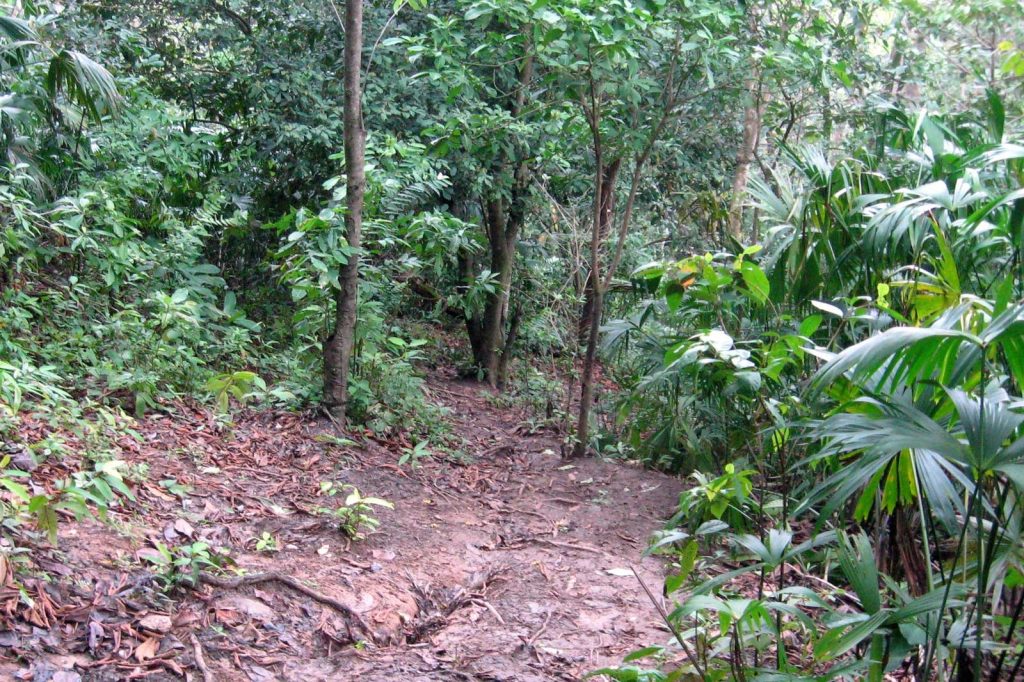
Panamanian border police have recovered the bodies of ten migrants who drowned in a river near the Colombia–Panama border. The discovery marks the latest fatalities along the Darién Gap, a treacherous corridor that thousands of migrants traverse each year while heading north. The victims were attempting to cross the 106-kilometer stretch of jungle between Turbo, Colombia, and Yaviza, Panama.
This route lacks any road infrastructure and has never been paved. The Pan-American Highway, which connects Alaska to the southern tip of South America, terminates at the edge of this wilderness.
The gap in the highway forces migrants to navigate through mud, climb mountainous terrain, and cross waterways that can rise rapidly without warning. Police reports did not specify the name of the river where the drownings occurred. The body of water represents just one of many hazardous obstacles in a region defined by dense forests, mountains, and numerous waterways.
The Darién Gap spans the 339-kilometer border between Colombia and Panama, creating a vast watershed and mountainous area that splits the two nations. The rugged landscape poses extreme risks for travelers lacking proper guidance or equipment, a condition that applies to many migrants making the journey.
Environmental concerns have prevented road construction through the gap for decades. The region’s unique ecosystem contains forests, rivers, and wildlife that would suffer damage from pavement and vehicle traffic. Deforestation and habitat destruction remain significant considerations, and no political consensus has emerged to support building a road. The decision to preserve this wilderness carries a human cost borne by those who undertake the crossing.
Migrants enter the gap because they perceive the alternative as worse. Some complete the journey successfully, but ten did not in this incident.
Panamanian authorities have not released the nationalities of the deceased or stated whether children were among the victims. The border police report provided minimal details: ten migrants drowned and were found near the border. No names or personal stories accompanied the brief statement.
The Darién Gap represents the only break in a road connecting two continents. This intentional gap, protected for environmental reasons, functions as a trap where rivers swell, currents become dangerous, and people drown.
The event is not isolated but results from a long-standing policy choice to leave the terrain untouched. That decision, made for valid environmental reasons, exacts a recurring price in human lives. Ten more families will wait for news that may never arrive, while the river continues flowing, the jungle remains green, and migrants persist in attempting the crossing.




