
Foundational Prohibitions and Criminal Statutes
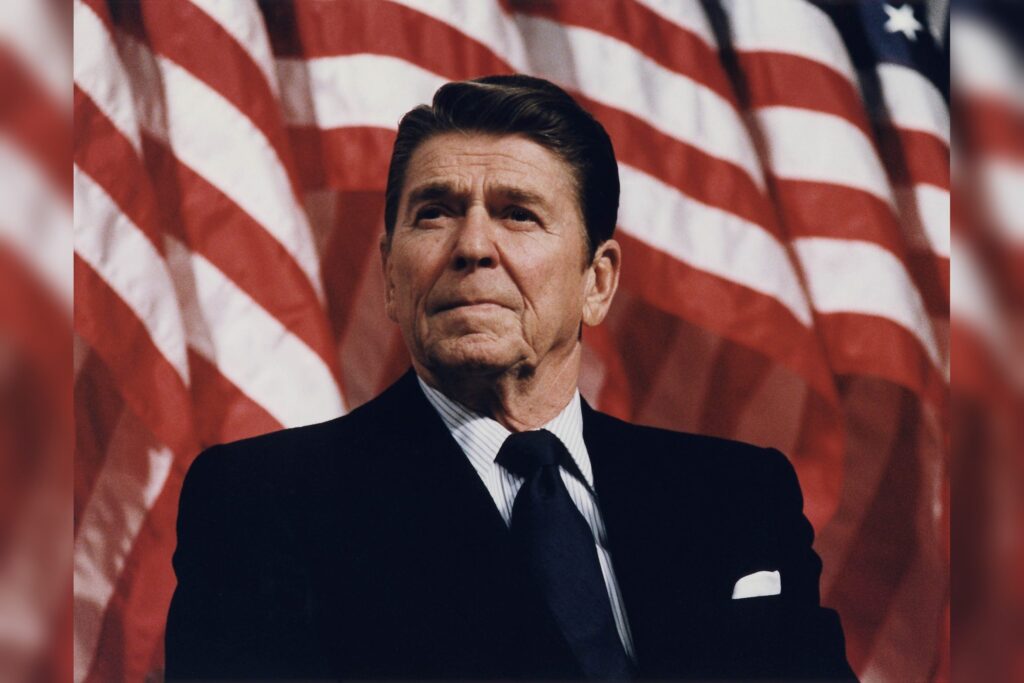
At the core of U.S. policy is Executive Order 12333, signed by President Ronald Reagan on December 4, 1981, which prohibits the United States from sponsoring assassinations of foreign leaders. That ban has guided American counterterrorism and covert action strategy for decades, drawing a clear strategic line: the nation does not engage in state-sanctioned killing of foreign heads of state, even as it prosecutes those who plot against its own officials. When foreign entities target U.S. officials, the Justice Department applies federal criminal law through two central statutes. Title 18, Section 351 of the U.S. Code covers crimes against U.S. officials generally, while Section 1751 specifically addresses presidential assassination. These laws provide the framework for charging foreign operatives, even when those operatives remain beyond the physical reach of American law enforcement.
Alongside these criminal tools, the Foreign Sovereign Immunities Act of 1976 generally shields foreign states from lawsuits in American courts. However, exceptions exist, particularly for state sponsors of terrorism. That carve-out has allowed victims and the U.S. government to pursue legal action against nations that back plots directed at Americans. The combination of criminal statutes and diplomatic immunities creates a layered legal environment in which prosecutors can build cases against hostile state actors while maintaining the broader prohibition on U.S.-sponsored assassinations.
Prosecuting Foreign Operatives in Absentia
The Justice Department has demonstrated a consistent track record of charging Iranian operatives in absentia for assassination conspiracies. In 2011, U.S. authorities unsealed charges against Iranian agents for plotting to assassinate the Saudi ambassador in Washington. More recently, in 2022, the department announced charges against an Iranian intelligence officer for planning to kill John Bolton, the former national security adviser. These cases rely on evidence collected by intelligence agencies, including the CIA and the FBI, which becomes the foundation for criminal indictments even when the defendants cannot be extradited. The broader strategy is to use the courts to expose and isolate hostile state actors, naming them publicly even when physical arrest is unlikely.
The Bolton plot charges in 2022 demonstrated that the legal machinery works, but each new threat tests the system. For the current administration, the legal tools are in place, but the critical question is whether the intelligence apparatus can continue to provide the kind of concrete evidence that turns a conspiracy into a federal case. The practical enforcement of the statutes depends heavily on the ability of the CIA and FBI to gather actionable intelligence, which then drives indictments that publicly name foreign operatives and the states that sponsor them.
Strategic Exposure Through the Courts
What this signals is a consistent U.S. strategy: employing the courts as a platform to document and publicize foreign assassination plots, thereby isolating state sponsors of terrorism through legal exposure. The statutes, executive orders, and immunities exceptions are not theoretical; they have been tested in real cases involving Iranian operatives and have produced charges that carry weight in both domestic and international forums. The legal architecture reflects a long effort to separate state conduct from political murder, a distinction that has shaped American policy since the country emerged as a dominant global power. Readers live under a framework that prosecutes such plots yet bars the state from sponsoring killings of foreign heads of state. The matter matters now because the laws and exceptions in place directly shape how the government responds when foreign actors plot against American figures, reinforcing the nation’s commitment to rule-based action even in the face of covert threats.
{“@context”: “https://schema.org”, “@type”: “NewsArticle”, “headline”: “U.S. Law Bars Assassinations, Targets Foreign Threats to Officials”, “description”: “Foundational Prohibitions and Criminal Statutes At the core of U.S. policy is Executive Order 12333, signed by President Ronald Reagan on December 4, 1981, which…”, “datePublished”: “2026-07-08T09:30:00+00:00”, “author”: {“@type”: “Person”, “name”: “James Roberto”}, “publisher”: {“@type”: “Organization”, “name”: “InfoPulse Today”, “url”: “https://newsfeed.infopulsetoday.com/”}}




