
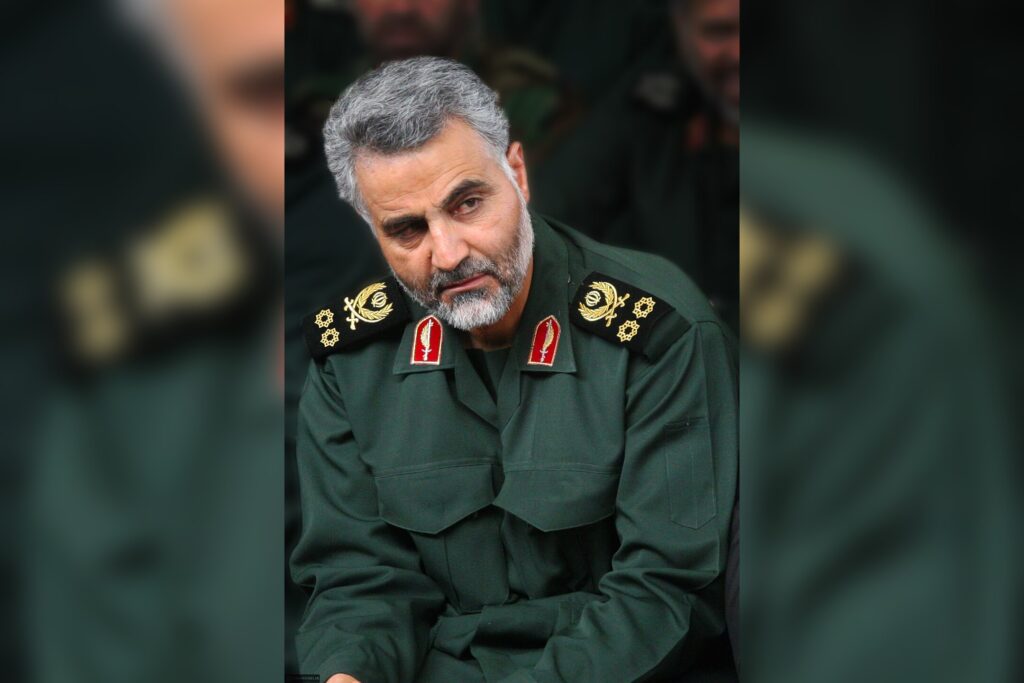
WASHINGTON, July 8 — The Office of the Director of National Intelligence has maintained for years that Iran remains a persistent threat against former U.S. officials, with intelligence assessments pointing to an ongoing intent to retaliate for the killing of Qasem Soleimani. The calculus inside the intelligence community has not shifted. In the 2022 Worldwide Threat Assessment, the ODNI stated plainly that Iran is intent on revenge for Soleimani’s death, potentially through attacks on U.S. personnel or former officials.
That assessment was not a one-off warning. By July 2022, the ODNI had briefed Congress on specific Iranian plotting against former Trump administration officials, including Trump himself.
The briefings signaled that the intelligence community took the threat seriously enough to elevate it to the legislative branch.
The Intelligence Picture
The assessments draw on intercepted communications and human sources, though specific details remain classified. The Department of Homeland Security and the FBI have separately issued warnings about Iranian cyber and physical threats. What this signals is a coordinated posture across the U.S. intelligence and law enforcement apparatus.
The broader stakes are clear. Iran’s leadership has not abandoned the goal of striking back for Soleimani, and the targeting of former U.S. officials — particularly those from the Trump administration — remains a live operational priority for Tehran.
These repeated assessments have driven concrete security measures. Increased protection has been put in place for former officials, including Trump. The intelligence community’s confidence in the threat picture has not wavered across multiple administrations.
What This Signals
Strategically, the sustained nature of these warnings suggests that the intelligence community sees Iranian plotting not as a one-off episode but as a persistent campaign. The 2022 briefing to Congress was a pivotal moment — it marked the first time lawmakers were formally notified of specific threats against former American officials. The FBI and DHS warnings add another layer.
They extend beyond physical attacks to include cyber operations, reflecting the full spectrum of Iranian capabilities. For the intelligence community, the threat is not abstract; it is based on specific, though classified, intelligence streams.
The Broader Stakes
For the Trump administration now in office, the calculus is complicated. The intelligence assessments predate the current president’s return to the White House, meaning the threat picture was already well-established. The ODNI’s repeated findings create a baseline that informs current security decisions.
The question going forward is whether Iran’s intent will translate into action, and at what scale. The intelligence community has made its assessment.
The security apparatus has responded. What remains to be seen is whether Tehran will attempt to follow through, and how the United States will counter the threat.
{“@context”: “https://schema.org”, “@type”: “NewsArticle”, “headline”: “U.S. Intel Assesses Iranian Threats to Former Officials”, “description”: “WASHINGTON, July 8 — The Office of the Director of National Intelligence has maintained for years that Iran remains a persistent threat against former U.S….”, “datePublished”: “2026-07-08T09:30:00+00:00”, “author”: {“@type”: “Person”, “name”: “Noah King”}, “publisher”: {“@type”: “Organization”, “name”: “InfoPulse Today”, “url”: “https://newsfeed.2bme.xyz/”}}




