
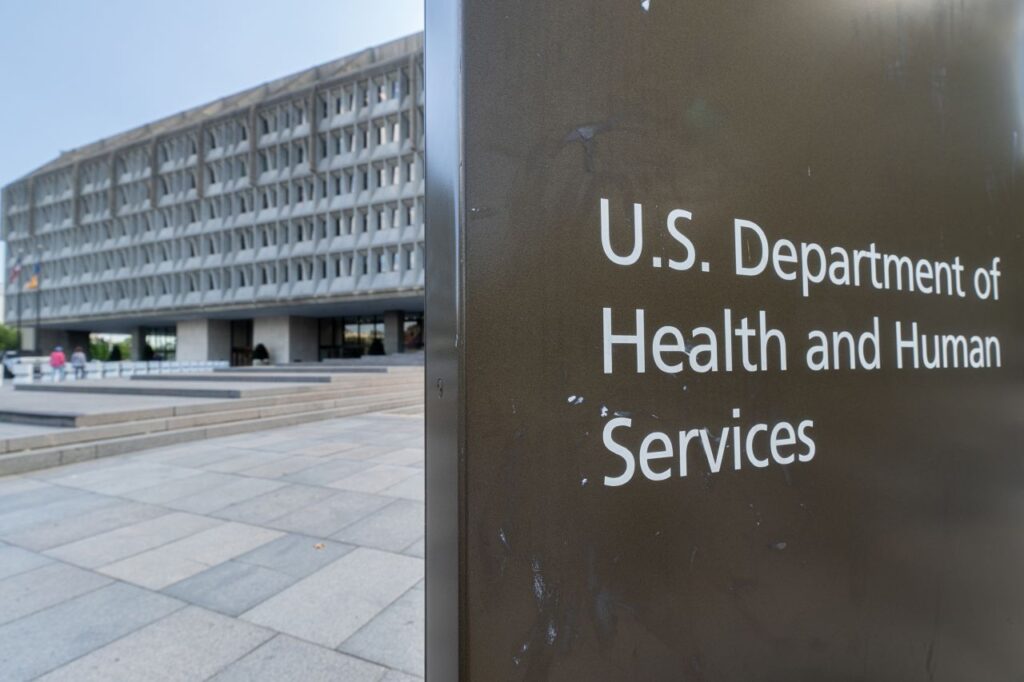
On March 15, 2025, the U.S. Department of Health and Human Services disclosed a sweeping re‑organization intended to tighten operations and boost overall effectiveness. The proposal outlines a series of structural adjustments that will touch multiple agencies, alter staffing levels, and shift programmatic focus across the department.
At the core of the plan is the consolidation of five existing agencies into a single body named the Administration for a Healthy America. By uniting these entities under one roof, officials hope to pool resources and expertise, creating a more coordinated platform for national health‑promotion initiatives. The new Administration for a Healthy America is slated to become a central driver of policies aimed at improving public wellbeing.
The Centers for Disease Control and Prevention will experience a major realignment as part of the overhaul. Its mission is set to narrow, concentrating chiefly on infectious‑disease programs.
This refocus is designed to leverage the CDC’s technical strengths to better confront emerging health threats, accelerate outbreak response, and develop targeted prevention measures. Conversely, the Administration for Community Living is slated for dissolution. Responsibilities currently housed within that office are expected to be redistributed among other HHS components, fostering a more dispersed approach to community‑living services.
The exact allocation of duties will depend on how the breakup is executed and how resources are re‑assigned. Workforce reductions form another significant element of the re‑organization.
HHS intends to cut roughly 20,000 full‑time positions across the department. The Food and Drug Administration and the CDC will each see the steepest proportional cuts, with both agencies projected to shrink their staff by 20 percent. These reductions could affect the capacity of the agencies to carry out core functions, prompting concerns about potential impacts on regulatory oversight and public‑health operations.
Analysts note that the combined effect of agency mergers, program realignments, and staffing cuts may reshape how HHS delivers health services and responds to emergencies. Monitoring will be essential to gauge whether the intended efficiencies translate into improved outcomes for the nation’s health system.
Implementation will unfold over the coming months, and the success of the Administration for a Healthy America, the re‑oriented CDC, and the re‑distributed community‑living functions will be closely watched. The department’s ability to manage a sizable workforce reduction while preserving—or enhancing—service delivery will be a key determinant of the re‑organization’s overall effectiveness. Stakeholders are encouraged to follow developments as the plan moves from announcement to action, assessing how the structural changes influence the department’s capacity to meet its mission and address public‑health challenges.




