
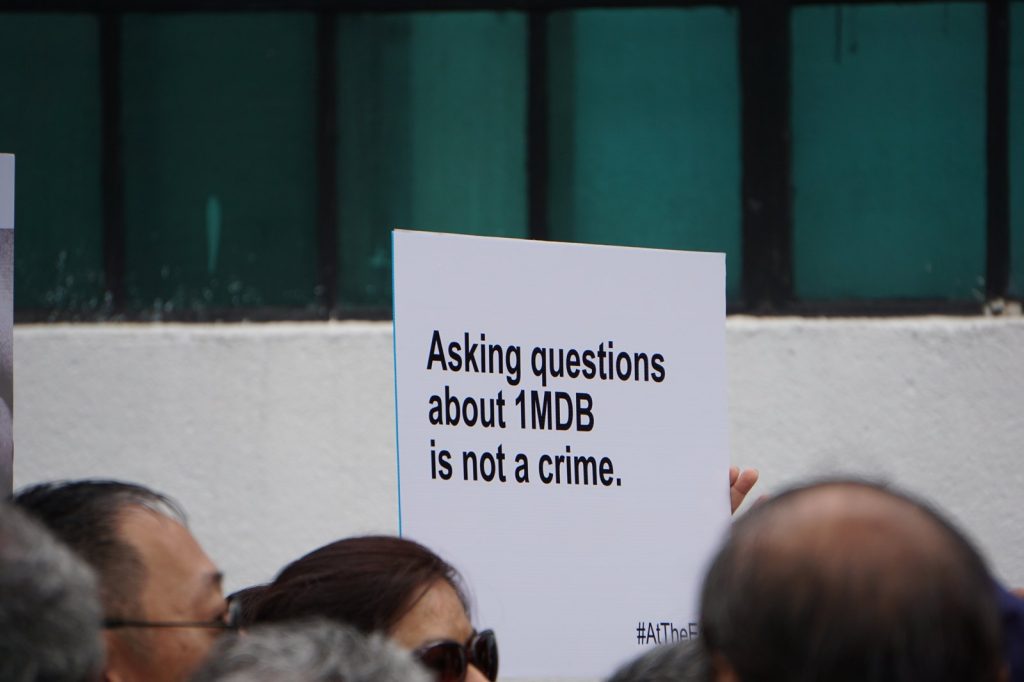
Clare Rewcastle Brown never set foot in a Malaysian courtroom to defend herself. Her lawyers say she was not notified of the proceedings. On February 11, a magistrates’ court sentenced the British journalist to two years in prison for criminal defamation of a Malaysian royal.
The case stems from her book, The Sarawak Report – The Inside Story of the 1MDB Exposé. The royal in question is former Queen Nur Zahirah.
Rewcastle Brown is now appealing. She calls the conviction political revenge. The Committee to Protect Journalists calls it outrageous.
The CPJ says the ruling is a clear attempt to intimidate and silence her, setting a dangerous precedent for Malaysian press freedom. Look at the backdrop.
The 1MDB scandal saw $4.5 billion stolen from a Malaysian sovereign fund. It is one of the largest kleptocracy cases on record. Hollywood celebrities got caught up in it.
Goldman Sachs bankers faced criminal charges — the first such charges against the Wall Street firm. Former Prime Minister Najib Razak was jailed in 2022. He still faces more charges.
He denies everything. Rewcastle Brown’s reporting helped blow the whole thing open.
Her Sarawak Report website published leaked documents and traced the stolen money. She did what journalists are supposed to do: she followed the public interest. Now she is being jailed for it.
The defamation charge looks like a legal end-run. The case does not directly attack her 1MDB reporting.
It targets her book, where she allegedly defamed a royal. But the timing and the target are telling. You do not silence a journalist by going after her main work — that draws too much attention.
You find a side issue, a technicality, something personal. You make it about defaming a member of the royal family. Then you get your conviction.
Malaysia’s courts have been used this way before. Political figures file defamation suits against critics.
The law is broad. The penalties can include jail. It is a pattern.
And it works: journalists think twice before digging into corruption. Editors weigh the risks.
The chill is real. Rewcastle Brown is British. She lives in London.
She did not attend the trial. Her legal team says the proceedings violated criminal procedure. They have asked a higher court to set aside the ruling.
That appeal will test whether Malaysia’s judiciary can stand apart from the political establishment that the 1MDB scandal tainted. Najib’s conviction was a landmark.
It showed that a former prime minister could be held accountable. But the system that convicted him is the same system now jailing the journalist who helped expose him. That is not a contradiction.
It is a feature. A government can tolerate one high-profile prosecution of a fallen leader while still crushing the independent press that made the prosecution possible.
The 1MDB scandal is not over. The money is still being chased. The players are still being prosecuted.
But the people who did the chasing are now being punished. That sends a message to every other journalist in Malaysia: this is what happens if you go too far. The CPJ says the conviction threatens press freedom in Malaysia.
That is the polite version. The blunt version is that the government is using the courts to finish what the kleptocrats started — silence the witness.
Rewcastle Brown’s appeal is the last real chance to stop it.
{“@context”: “https://schema.org”, “@type”: “NewsArticle”, “headline”: “British Journalist Sentenced in Absentia for Defaming Malaysian Royal”, “description”: “Clare Rewcastle Brown never set foot in a Malaysian courtroom to defend herself. Her lawyers say she was not notified of the proceedings. On February 11, a magi”, “datePublished”: “2024-03-01T15:00:00+00:00”, “author”: {“@type”: “Person”, “name”: “InfoPulse Today”}, “publisher”: {“@type”: “Organization”, “name”: “InfoPulse Today”}}




