
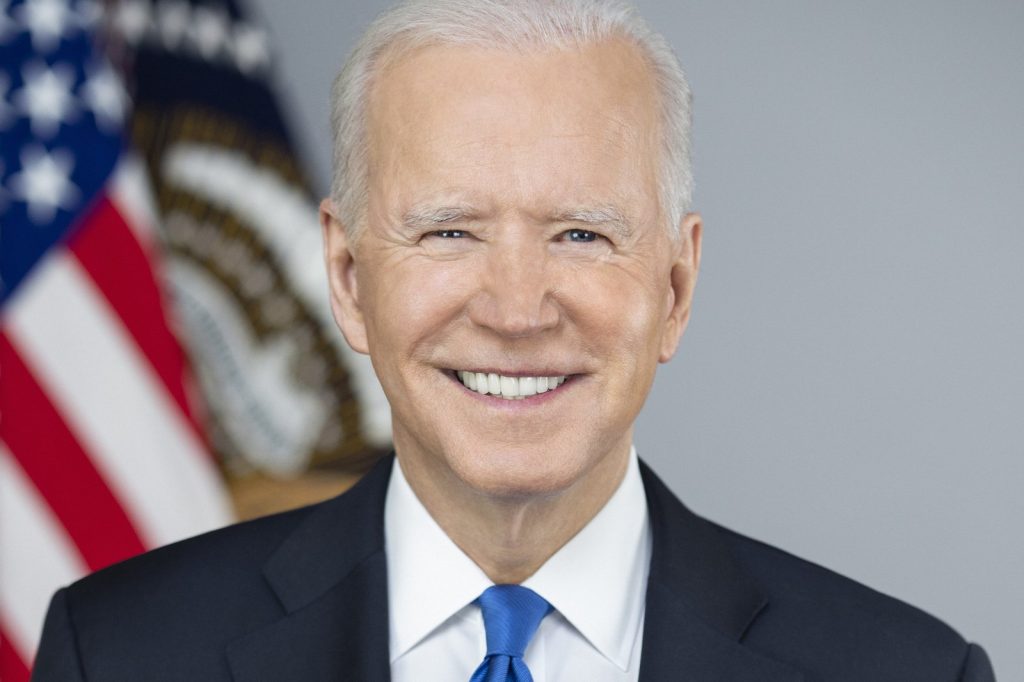
The November 5, 2024, general election in New Mexico was more than a routine contest for state offices. Voters in a state that relies heavily on federal land, energy revenues and cross‑border commerce effectively weighed the durability of the current administration’s agenda. New Mexico’s economy is intertwined with several federal‑linked sectors: oil and gas extraction from the Permian Basin, contracts at Los Alamos National Laboratory, and a steady stream of federal funding for health care, highways and other services.
Washington’s recent push toward a green‑energy transition, stricter emissions standards and heightened diplomatic tension with Iran, China and Russia therefore has direct consequences for the state. Key policy impacts are already evident.
Restrictions on fossil‑fuel permits have slowed drilling activity in the southeast, while trade frictions with Beijing have pressured exports of pecans, chile and hay. The broader U.S.–Iran standoff, described in the election report as involving a hostile foreign actor, resonates in New Mexico’s smaller communities that maintain cultural and economic ties to the region. Against this backdrop, the election was fiercely contested.
Candidates exchanged sharp criticism over economic security, border enforcement and the rising cost of living, though early returns have not yet clarified the specifics of each platform. What is emerging, however, is a perception of the vote as a de‑facto referendum on the president’s approach in a swing‑adjacent state that narrowly favored Democrats in 2020.
If the incumbent president’s party retains or expands its representation, it would suggest that New Mexicans—despite their dependence on fossil‑fuel revenues and federal dollars—are willing to back the current direction. Conversely, losses would signal voter dissatisfaction with the administration’s policies in a resource‑dependent region. Although New Mexico’s three electoral votes are modest in number, the state’s status as a bellwether for Western energy interests amplifies its national relevance.
The election’s outcome also carries international implications. The report highlights Iran, China and Russia as foreign actors whose strategies may shift based on U.S. political trends.
New Mexico’s position on the U.S.–Mexico border, a vital conduit for trade and migration, and the presence of major military installations such as Holloman Air Force Base and White Sands Missile Range, tie the state’s political alignment to broader security and diplomatic considerations. Foreign capitals are watching the results closely to gauge American political stability, while policymakers in Washington anticipate how the vote will influence committee assignments, federal funding allocations and party messaging ahead of the 2026 midterms.
For the state’s roughly 2.1 million residents, the immediate stakes are concrete: the party that controls state government will shape water‑rights negotiations, education funding and the alignment of state policies with federal initiatives. As vote counting continues, the broader significance of the New Mexico election is already clear—a stress test of the administration’s policies in a state that cannot be overlooked.




