
Then paragraph about increase over 2023. Then paragraph about regions.
Then environmental context paragraph. Then Mediterranean specifics. Then Asia specifics.
Then Africa specifics. Then multi-faceted approach paragraph.
Count manually approximate: We’ll write and then estimate. Draft:
New data from the International Organization of Migration show that 8,938 people lost their lives while migrating in 2024, marking the highest annual total ever recorded.
This figure exceeds the previous peak set in 2023 by more than two hundred deaths, highlighting a worsening trend in the dangers faced by those on the move. The largest share of these fatalities occurred across three broad areas: Asia, the Mediterranean Sea, and Africa, pointing to where the risks are most concentrated. Beyond the immediate perils of travel, the broader environmental backdrop plays a role in shaping migration patterns.
Habitat degradation, loss of natural resources and environmental stress can push people to leave their homes in search of safer or more viable livelihoods. A healthier planet, where ecosystems are intact and resources are managed responsibly, is seen as a foundation for reducing the pressures that compel migration, benefiting both migrants and the communities they leave behind.
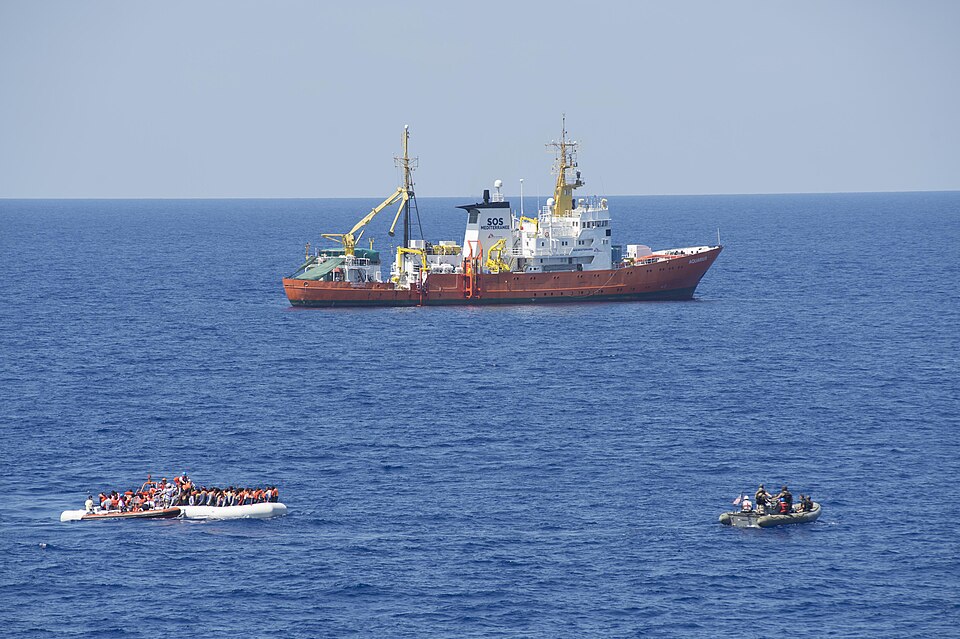
The Mediterranean Sea remains especially perilous. Its rough waters and limited rescue capacity have produced a steady stream of tragedies, with many lives lost while attempting the crossing. Addressing this calls for stronger search‑and‑rescue mechanisms and greater coordination among states to share responsibility for protecting those at sea.
In Asia, migrants travel through diverse terrains ranging from the high mountains of South Asia to the dense forests of Southeast Asia. Environmental pressures such as deforestation, pollution and resource depletion compound the hardships of these journeys.
Promoting sustainable development and safeguarding natural habitats in the region can help ease the push factors that drive people to undertake risky routes. Africa’s varied landscapes, from the Sahara Desert to the Congo Basin, also feature prominently in the migration‑environment nexus. Degradation of these ecosystems contributes to community displacement and biodiversity loss, further fueling movement.
Supporting conservation initiatives and encouraging sustainable land‑use practices are viewed as ways to preserve the continent’s natural wealth while reducing the need for migration. Looking forward, a comprehensive strategy that couples environmental protection, investment in renewable energy and sustainable development offers the best chance to lower migration‑related mortality.
By curbing reliance on fossil fuels, enhancing energy security and fostering resilient communities, the root causes of forced movement can be attenuated. The record number of migrant deaths in 2024 serves as a stark reminder that urgent action is needed—not only to save lives on the routes but also to protect the planet that underpins human well‑being for present and future generations.




