
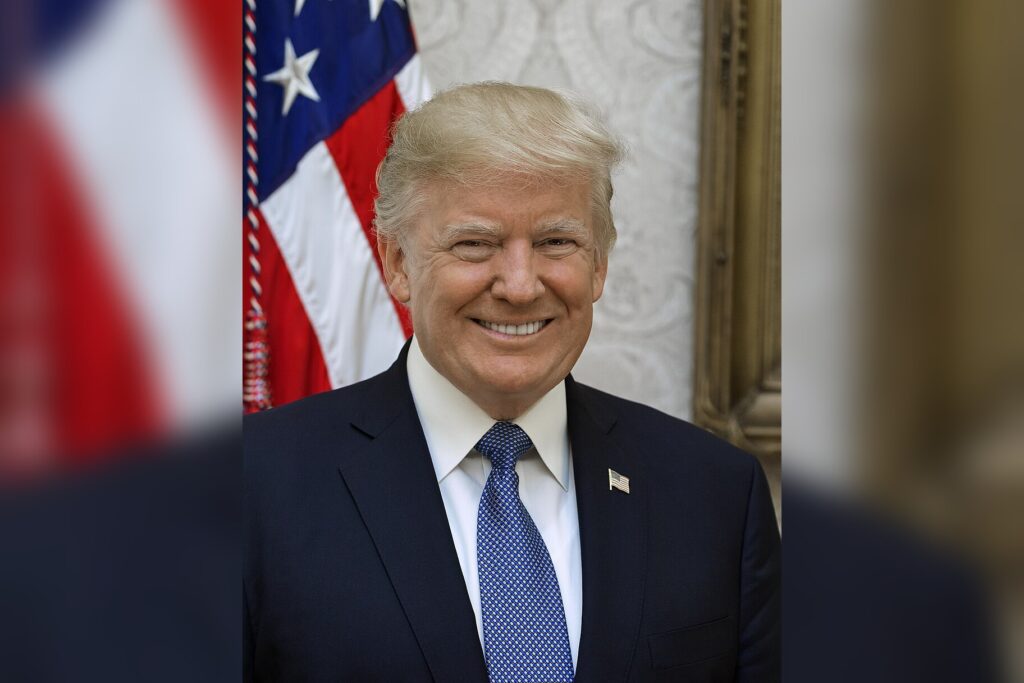
The White House is now in uncharted territory. President Trump’s executive order attempting to end birthright citizenship has been struck down by the Supreme Court. The ruling is final.
The constitutional question is settled. But the political question is not.
Chief Justice John Roberts wrote for the majority. The Fourteenth Amendment, he stated, guarantees citizenship to “all persons born or naturalized in the United States.” The only exception is children of foreign diplomats. The court found that Trump’s executive action violated the Constitution.
The president had tried to rewrite a fundamental piece of American nationality law through a single signature. That attempt failed.
The immediate risk now is a constitutional crisis. Trump has a track record of challenging judicial authority. He has called judges biased.
He has questioned the legitimacy of rulings he dislikes. The White House must decide its next move. The report notes that Trump has shown a willingness to test the limits of his power.
If the administration refuses to comply with the ruling, the country could face a standoff between the executive and judicial branches. No one knows how that would end.
Another risk is legislative. The ruling is definitive on the constitutional question. But Congress could still act.
Some lawmakers have proposed bills to restrict birthright citizenship. None have passed.
The court’s decision makes such a law even harder to pass. A constitutional amendment would be required to change the Fourteenth Amendment. That is a high bar.
Two-thirds of both houses of Congress and three-fourths of the states would need to agree. That is not happening soon. But the president could push for a legislative fight anyway.
That would consume political capital and time. It would also keep the issue alive in the public debate.
The broader stakes are clear. Birthright citizenship is a long-established principle. The Fourteenth Amendment was added after the Civil War.
It was written to ensure that Black people, including former slaves, would have equal protection under the law. The court reaffirmed that this right is not subject to unilateral presidential revision.
The ruling is a significant blow to the Trump administration. The president had sought to alter a foundational element of American nationality law through executive action. The court ruled that ran afoul of the constitutional text and decades of precedent.
What happens next is uncertain. The administration could comply quietly. It could issue a statement of disagreement but take no further action.
Or it could escalate. The report suggests that the calculus for the White House now turns to the next move.
The ruling is definitive. But Trump has shown a willingness to challenge judicial authority. How the administration responds — whether through legislative push or further executive action — will determine whether this ruling ends the matter or starts a new fight.
For now, the law is clear. Any child born on U.S. soil is granted citizenship.
The only narrow exceptions stand. The court kept its promise. The question is whether the president will keep his.




