
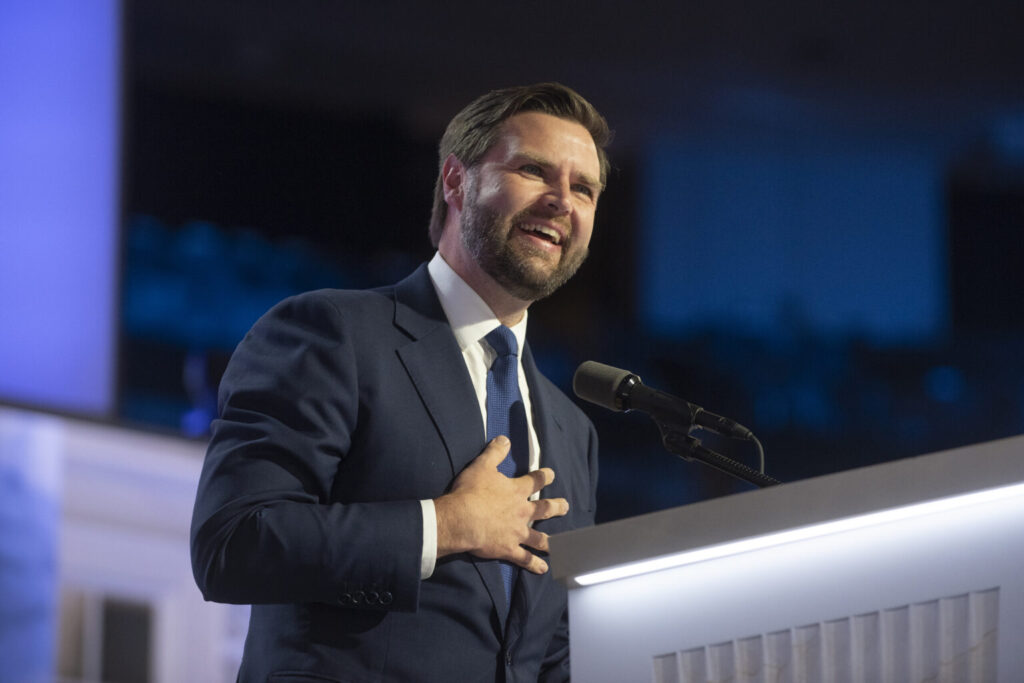
The noise from Washington this evening is familiar. It has a specific sound — the scraping of old certainties against new realities. Vice President JD Vance is the target.
The source of the noise is predictable: legacy media outlets and the neoconservative wing of the Republican Party, a faction now watching its decades-long grip on foreign policy dissolve. Vance’s allies are not surprised.
They expected the howling. They argue the attacks are hollow, originating from people who have been consistently wrong about American foreign policy. The real test, they say, is whether the establishment can accept a leader who prioritizes American interests over foreign adventures.
This is not a fresh fight. It is the latest round of a war within the GOP that began with President Donald Trump’s 2016 campaign.
The neocons lost that election. They lost the party. But they have not stopped swinging.
The Vice President’s position is a direct challenge to their core belief: that American military power should be deployed globally, often at enormous cost, to enforce a liberal world order. Vance has a different vision. He argues the United States should not act as the world’s policeman.
His America First agenda is not isolationism, his defenders stress. It is a disciplined focus on national sovereignty and border security.
He has argued that America’s military should not be used as a global slush fund for regimes that do not share American values. The contrast is stark. The neocons are now on the outside.
They do not like it. Their attacks appear to be backfiring.
Vance’s base is more energized than ever. That is a predictable outcome. When the establishment howls, the populist base hears confirmation that their man is doing something right.
The White House itself appears unbothered by the noise. President Donald Trump is backing his Vice President fully. That backing matters.
It means the administration is betting the American people are tired of endless wars and foreign entanglements. It is a bet with high stakes.
What follows is a test of political will. The Vice President’s message is simple: America first, always. That message resonates with a significant portion of the electorate.
It also terrifies the foreign policy establishment in both parties. The neocons have spent decades building a network of think tanks, media commentators, and congressional allies.
That network is now firing on a sitting Vice President. But the network no longer controls the levers of power. By nightfall in Washington, the scene is one of a White House moving forward.
The criticism is loud. It is also predictable. Vance’s allies call it the same old aspersions from people who have been consistently wrong.
The Vice President is doubling down. He is not backing down.
The establishment’s howling, his defenders argue, only confirms he is on the right track. The coming weeks will reveal whether the neocons can regain influence or whether Vance’s America First posture becomes the permanent new center of Republican foreign policy. For now, the Vice President holds the ground.
The noise continues. The White House does not appear to be listening.




