
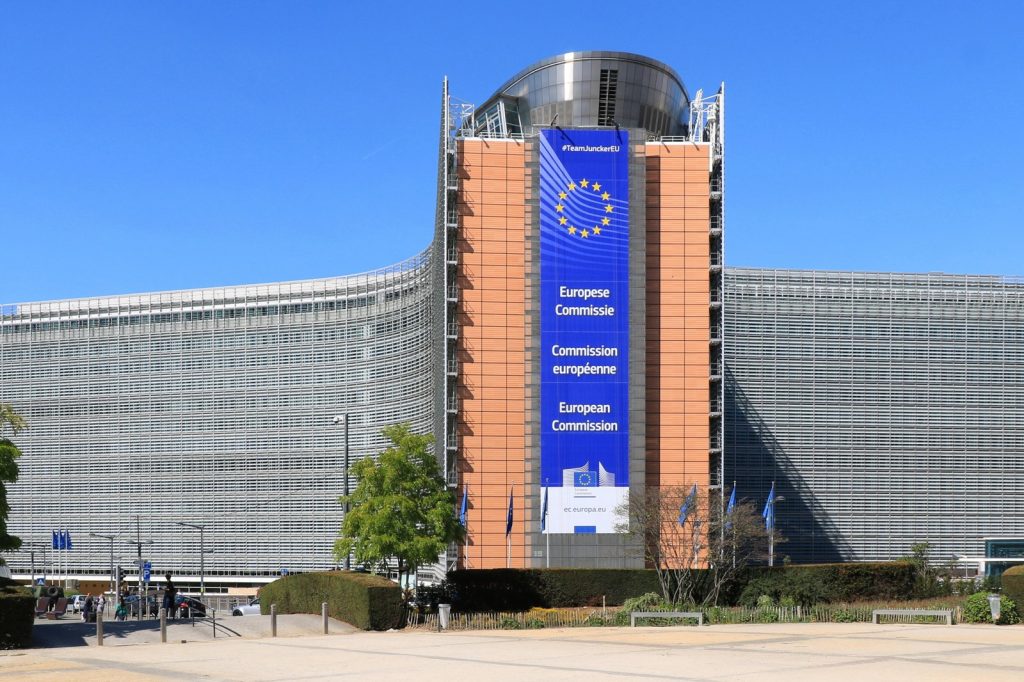
LUXEMBOURG, September 17 — The General Court of the European Union has upheld the European Commission’s decision to block Booking Holdings’ acquisition of eTraveli, in a judgment that hands the Commission a durable legal tool for policing mergers built around digital ecosystems. The ruling, delivered on 9 September in Case T-1139/23, confirms the Commission’s September 2023 prohibition of the deal. It is the first merger ever blocked on a pure ecosystem theory of harm, and the first in which the Commission rested its objections on a novel “reverse leveraging” argument.
The judgment may still be appealed to the EU’s top court.
The mechanics of a novel theory
The transaction itself never met EU merger thresholds. Booking, the largest hotel online travel agency in the European Economic Area, agreed in November 2021 to buy eTraveli, a leading flight OTA. The parties asked for the case to be referred to the Commission anyway — a decision that, on closer reading, handed Brussels the vehicle for a precedent it had been building toward.
The Commission’s theory ran as follows. Booking already held a dominant position in hotel OTA services.
Acquiring eTraveli would let it capture a significant number of additional customers earlier in their travel-booking journeys, feeding flight customers into hotel cross-selling and thereby fortifying the dominance it already had. The Commission called this reverse leveraging: leverage built in a neighbouring market, the flight OTA market, used to strengthen a dominant position in the core market. The catch is that the Commission conceded the theory was not squarely addressed in its Non-Horizontal Merger Guidelines.
It argued the circumstances were neither explicitly foreseen in the text nor excluded from it, and that they have arisen only more recently with the development of online ecosystems. The Commission said its position was in line with its 2019 report, “Competition Policy for the Digital Era,” and indicated that for a company operating in an ecosystem benefiting from strong positive network effects, the risk extends to the strengthening of dominance as it fortifies the dominance of the ecosystem.
Efficiencies rejected, commitments refused
The Commission threw out Booking’s efficiency claims, including those based on the elimination of double marginalization — a synergy the Commission’s own draft merger guidelines recognise as valid. Its skepticism rested partly on the absence of anticipated consumer benefits in Booking’s internal documents. Booking also offered behavioural commitments: a choice screen on the flight checkout page, and hotel offers from competing OTAs displayed on Booking.com and eTraveli brand platforms.
The Commission rejected them. Among its reasons, it said the remedies did not remove Booking’s cross-selling opportunities across hotel services to flight customers, and were difficult to monitor.
In April 2026 the Commission published draft merger guidelines indicating, based on its assessment of this case, that a merger may significantly impede effective competition when it leads to the entrenchment of a dominant position across closely related markets — one or several distinct but interconnected markets, which it terms an ecosystem. The draft also states the Commission may assess merging firms’ existing market power by weighing how relevant the ecosystem is for effectively competing in the core market.
What the court actually decided
The General Court found the Commission’s assessment did not contradict the Guidelines. Crucially, it held that the Guidelines reserve for the Commission a right to apply and further develop theories of harm not expressly set out in the text — a point the court treated as particularly relevant in digital markets, where specific characteristics may require novel theories. That is the precedent worth following.
The Commission can now pursue ecosystem tie-ups by allegedly dominant players without waiting for its rulebook to catch up, and the draft guidelines published in April show it intends to codify the approach. Watch for the appeal window and for how the draft guidelines absorb this judgment.




