
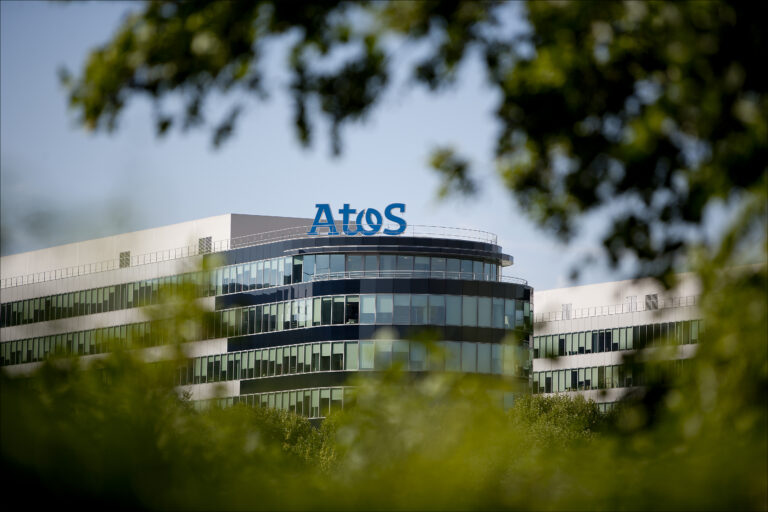
A Rare Class Action in European Courts
Class action lawsuits are a well-established mechanism in the United States, where they emerged in the late nineteenth and early twentieth centuries to resolve disputes involving large groups of people who suffered similar harm. The procedure allows one or a few plaintiffs to represent a much broader class, reducing court congestion and legal costs while giving individuals a practical avenue for redress. Over time, other common-law jurisdictions, notably Canada, adopted similar frameworks. More recently, a handful of civil-law countries in Europe have introduced mechanisms permitting consumer organizations to file collective claims on behalf of affected parties. Despite this growth, class actions remain far less common outside North America, especially for securities-related disputes. The Atos case is thus being closely watched not only by shareholders but also by legal experts, as it tests the applicability of collective redress in a European context where the corporate governance of a state-linked technology contractor is at stake. The court must first certify the group of affected shareholders, ensuring that their claims are sufficiently alike and that the representative plaintiffs can fairly and adequately protect the interests of all class members.
The Collapse and the Allegations
The heart of the lawsuit centers on the dramatic erosion of Atos’s market value during 2024, a year in which the company’s financial distress sent shockwaves through European markets. The share price decline from roughly €519 to €26 represented a staggering loss of investor capital, and the plaintiffs argue that this was not merely a market downturn but a direct consequence of failures by the company’s former leadership. The lawsuit demands €180 million — equivalent to approximately £153 million — but it does not specify individual defendants by name. Instead, it holds the collective leadership of Atos, encompassing both former management and the board of directors, accountable for the decisions that preceded the company’s near-collapse. The complaint alleges that these leaders failed in their duties, leading to the financial crisis that wiped out substantial shareholder value. Public sector clients who rely on Atos for critical IT services are also paying close attention, as the company’s stability has direct implications for government operations across Europe.
Implications for Corporate Governance
The Atos case is unfolding in a legal environment where European courts have rarely faced class actions of this scale, particularly those involving a major technology contractor with ties to multiple governments. The outcome of this lawsuit could set a significant precedent for how corporate directors are held accountable for governance failures in Europe. Legal experts are watching to see whether the court will hold former directors personally liable for the losses sustained by shareholders. Such a ruling would mark a departure from the more limited liability typically applied to directors in civil-law systems. For shareholders, the case offers a potential path to redress that has been largely unavailable in Europe for securities losses. For public sector clients and other stakeholders, the proceedings will test whether the accountability mechanisms available to investors can effectively address governance failures at companies central to national infrastructure. The case is expected to move through European courts in the coming months, and its outcome could influence how future disputes over corporate governance and shareholder losses are resolved on the continent.




