
WASHINGTON, July 16 — The debate over foreign interference in U.S. elections has a clear recent history. From 2018 through 2020, the pattern was consistent: repeated influence efforts by Russia, alongside intelligence findings that the vote itself was not tampered with. In 2018, the U.S. intelligence community assessed that Russia was continuing the influence operations it began in 2016.
The method was familiar: fake social-media accounts designed to sow discord ahead of the midterm elections. February 2018 saw a significant escalation in official warnings.
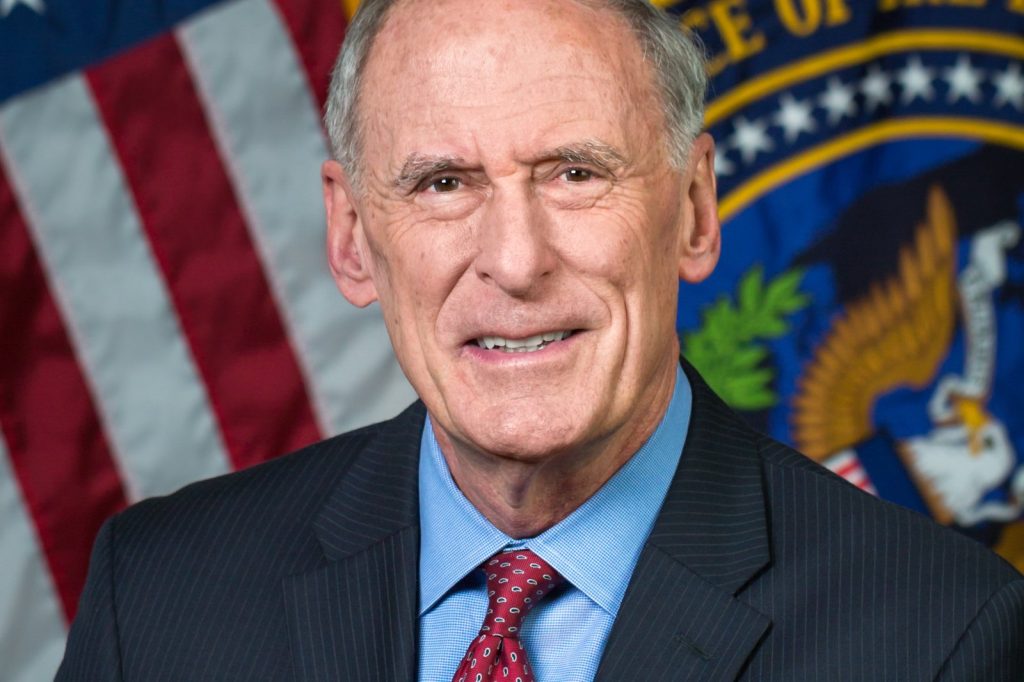
Director of National Intelligence Dan Coats testified before Congress that the United States was under attack from Russian influence operations. That same month, the Office of the Director of National Intelligence, the FBI, the Justice Department and the Department of Homeland Security issued a joint statement warning of ongoing campaigns to influence both the 2018 and 2020 U.S. elections. After the 2018 vote, Coats reported there was no evidence of vote tampering.
The influence operations had persisted, but they had not succeeded in altering ballots or results. This distinction — between influence and tampering — became a key through-line.
The pattern carried into 2020. The Intelligence Community Assessment on Foreign Threats to the 2020 US Federal Elections, delivered January 7, 2021 and declassified March 16, 2021 at dni.gov, found that Russia conducted influence operations. On China, the majority judgment, held with high confidence, was that Beijing did not deploy interference efforts to change the outcome.
But the consensus was not unanimous. Then-DNI John Ratcliffe and ODNI analytic ombudsman Barry Zulauf dissented. They argued that China’s role was assessed under a different standard and was understated.
The dissent points to a methodological dispute — not over whether China acted, but over how the intelligence community framed its judgment. The majority applied a high-confidence threshold to China’s lack of interference; Ratcliffe and Zulauf believed a different standard would have produced a different finding.
The dissent does not claim China did interfere — it claims the assessment understated the risk. The through-line across both cycles is consistent. Repeated foreign influence efforts, primarily from Russia, aimed at social-media manipulation and public discord.
Alongside those efforts, intelligence findings of no successful tampering with the vote itself. What to watch next is the ongoing debate over how intelligence agencies frame their assessments.
The Ratcliffe-Zulauf dissent raises a question that will persist: when the standard of proof shifts, so does the picture of the threat. The facts on the ground — the influence operations themselves — remain the same.




