
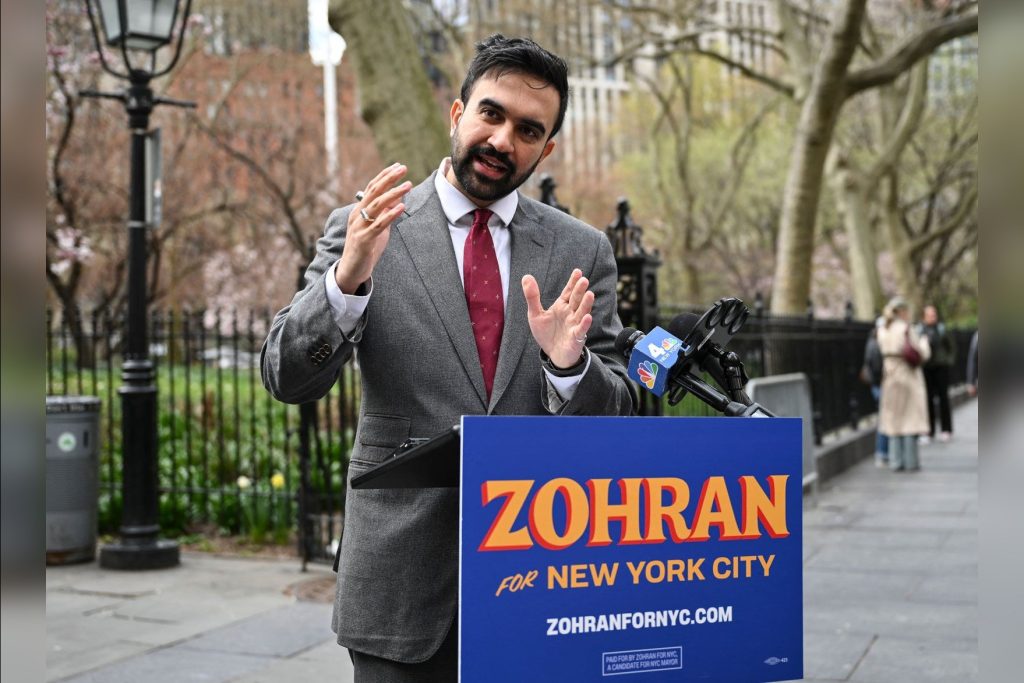
NEW YORK, June 23 — According to the record, Mayor Zohran Mamdani offered a tepid non-response on Tuesday regarding a New York City coffee shop that publicly criticized Rep. Dan Goldman over his pro-Israel views. The incident occurred as Mamdani was out stumping for his current endeavors, but the details of his response, or lack thereof, have raised several questions about his stance on the matter. Sources familiar with the situation indicate that Mamdani’s response was subdued, failing to address the controversy directly.
A significant aspect of this incident is the public criticism of Rep. Dan Goldman by the coffee shop, which was apparently based on his pro-Israel views. The record shows that this criticism was made publicly, suggesting a level of confidence or conviction on the part of the coffee shop that has sparked a reaction from various quarters.
On the timeline, it is clear that Mamdani’s non-response came after the coffee shop’s public criticism of Rep. Goldman. While the exact nature of Mamdani’s activities at the time is not detailed, it is evident that his response to the controversy was notable for its lack of direct engagement with the issue at hand. This has led to speculation about his position and the implications of his non-response for the broader debate.
The fact that a New York City coffee shop felt compelled to publicly criticize a representative over their views suggests a level of passion and engagement on the issue. According to the filing, the coffee shop’s action was a deliberate choice, indicating a certain level of commitment to expressing their viewpoint, even if it meant criticizing a public figure like Rep. Goldman.
As the situation unfolds, it will be important to watch how Mamdani and other public figures respond to similar controversies in the future. The record shows that public opinion and reactions can significantly influence the trajectory of such debates, and the actions of figures like Mamdani can either exacerbate or mitigate tensions. Looking forward, the key will be to see how these incidents are addressed and what they might indicate about the evolving landscape of public discourse and political engagement.
Given the context, it is also worth considering the broader implications of such public criticisms and the responses they elicit from public figures. The fact that these incidents are occurring in a public and visible manner suggests that they are likely to continue being a point of discussion and contention. As such, understanding the nuances of these interactions will be crucial for navigating the complexities of contemporary political and social debates.
Ultimately, the way in which public figures like Mamdani choose to respond to controversies will be closely watched. Their decisions can have a significant impact on the public’s perception of their leadership and commitment to addressing contentious issues.
As this situation and others like it continue to unfold, the responses of public figures will remain under scrutiny, with the public looking for clarity, consistency, and leadership in times of controversy.




