
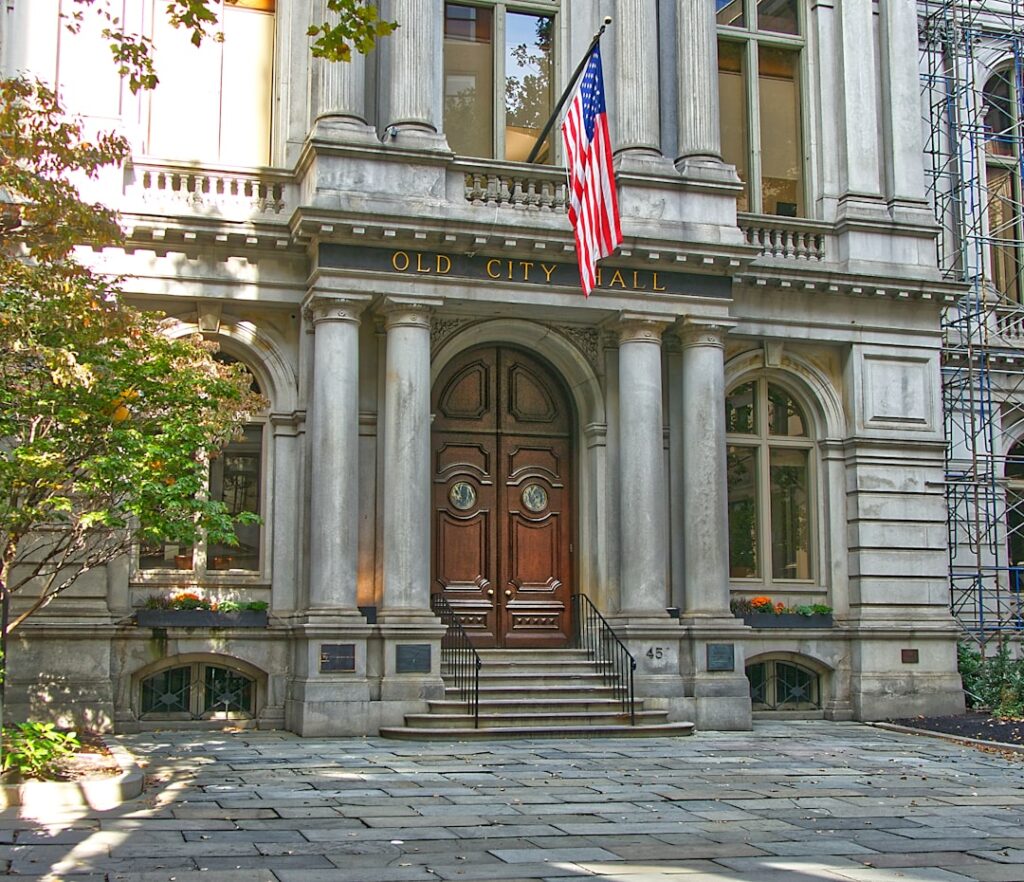
Eric Adams entered City Hall in 2022 after a 22‑year career in law enforcement, rising from the Transit Police to a captain’s rank in the NYPD. His résumé also includes six years in the State Senate and a historic election as Brooklyn’s first Black borough president in 2013. The former officer secured the 2021 Democratic mayoral nomination through ranked‑choice voting and defeated Republican Curtis Sliwa in the general election, promising to make public safety his administration’s centerpiece.
Since taking office, Adams has pursued a visible “law‑and‑order” agenda. He reinstated the plain‑clothed NYPD unit that the previous administration had disbanded, increasing police presence in targeted neighborhoods.
A zero‑tolerance policy that removes homeless individuals from subway cars has also been enforced, drawing sharp praise from supporters who see it as restoring order and stark criticism from advocates who label it cruel. Both sides acknowledge that the measures are deliberate components of the mayor’s strategy. Parallel to these policy moves, a series of investigations that began quietly last month have begun to intensify.
While the source material does not specify the exact focus of the probes, who is leading them, or the allegations involved, it emphasizes that the inquiries have become more aggressive over the past month. The timing is notable: as of Wednesday, October 2, 2024, Adams remains in office and the city’s day‑to‑day operations continue.
Adams’ background as a former police captain gives him an inside view of investigative processes. He understands both how such inquiries can be conducted and the potential damage a sustained probe can inflict on a political career. This dual perspective adds a layer of complexity to his current situation, as every policy decision, public appearance, and statement is now examined not only for its substantive content but also for indications of judgment and administrative integrity.
The mayor’s flagship crime‑reduction tactics remain in effect. The plain‑clothed officers continue patrolling, and the subway policy stays enforced, meaning the visible symbols of his “tough‑on‑crime” brand persist even as scrutiny mounts.
Critics of the plain‑clothed unit argue that officers in civilian attire can cause confusion and pose safety risks, while Adams maintains they are essential for removing firearms from the streets. Adams’ political journey, from representing Brooklyn’s 20th district in the State Senate (2006‑2013) to navigating the larger, more intense media environment of City Hall, underscores his experience in legislative and electoral battles. Yet the current investigations are not bound by an electoral calendar; they proceed independently of political timelines, adding pressure that differs from past campaign challenges.
For now, the mayor continues to operate as usual: police deployments have not been scaled back, and the administration’s public safety initiatives remain active. However, the investigations are described as “intensifying,” a term that signals an escalation rather than a slowdown.
As the probes progress, Adams must defend not only the outcomes of his policies but also the overall integrity of his administration.




