
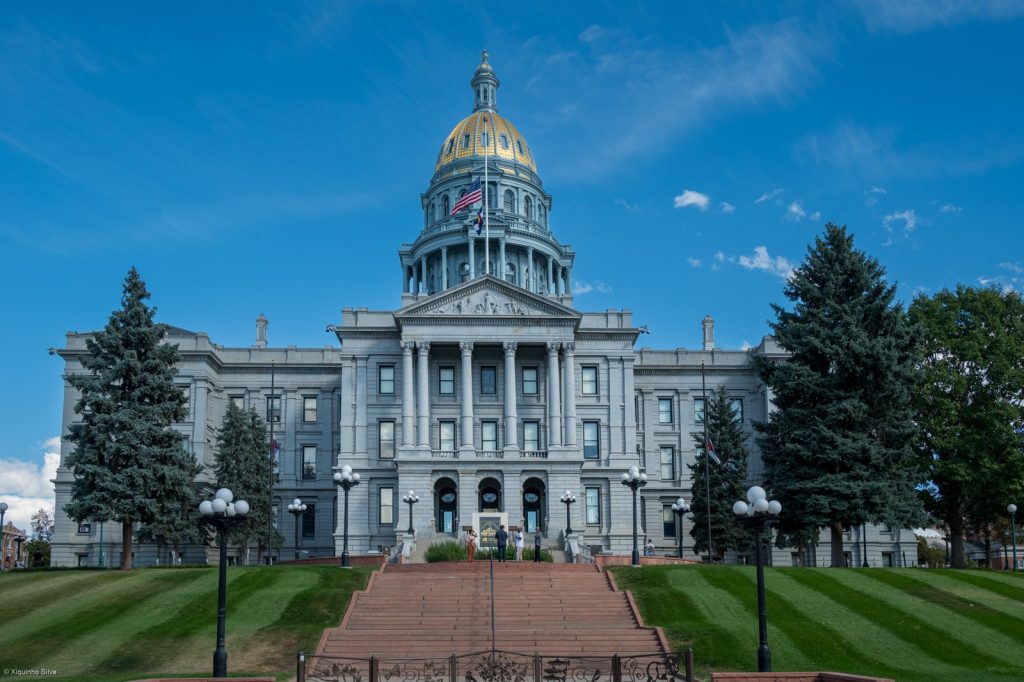
The progressive wing of the Democratic Party scored a win in Colorado last night. New candidates unseated incumbents. That happened while the other Washington — the one inside the White House — faced a different kind of reckoning.
Critics are not talking about policy. They are talking about the look of things.
The feel. The taste, or lack of it. Analyst Simplicius calls it “The Kitschification of America.” Kitsch is not a new word.
It dates to the 1950s and 1960s, when cheap souvenir trinkets and gewgaws flooded a consumerist market. It is low-effort.
It is a mishmash of pop-culture sediment. Simplicius argues that the current administration has elevated kitsch to a governing aesthetic. The result: a culture of excess that has reached what he calls its “peak flowering phase.” It is wilting now, shedding spores.
The public is not buying it. Observers describe a “tawdry, tacky aesthetic” that is failing to land. This is not a niche complaint.
It is a broad critique. The administration is setting records for graft, the report notes.
Corrupt pardons are piling up. The tally of financial scores and scams grows. One observer noted the president’s taste for starting illegal wars and displaying tacky trash.
That pairing — war and kitsch — is the tone being set. The consequences are already visible.
The progressive purge of the Democratic establishment in Colorado suggests a party moving in the opposite direction. They got one thing right, the argument goes: warning everyone that this president has no class and no shame. That warning is now being validated in real time.
The aesthetic is not just visual. It is operational. It signals a disregard for norms that extends beyond decor into decisions about war and peace.
What happens next? The conversation has already moved beyond aesthetics.
By nightfall, people were talking about the gossip. The corrupt pardons. The biggest financial scores.
The kitsch is a symptom, not the disease. The disease is the normalization of excess.
The cheapening of everything — policy, ethics, public trust. When the aesthetic is self-mockery, what does that make the substance? The progressive wins in Colorado show one possible response: purge the establishment that failed to stop this.
But the White House is not listening. The tone is set from the top. And the tone is tacky.
It is a tone that calls attention to itself. It is a parody that does not know it is a parody.
The public is watching. The critics are writing. The analysts are naming it.
Kitsch. Graft.
War. Trash. The list is short.
The consequences are long.




