
KAMPALA, June 29 — Uganda’s judiciary is laying out its spending priorities for the coming year, and for the families who rely on the courts to resolve disputes, the biggest chunk of money is going toward the thing that touches them most directly: case management.
According to budget documents, case management will take the largest share of the judiciary’s allocation at all levels of court. The total budget for the judiciary this fiscal year stands at sh177.86b.
For the people behind the numbers, this means more than just administrative efficiency. For a mother waiting on a child support ruling, or a small business owner stuck in a contract dispute, case management is the difference between a case that drags on for years and one that moves forward.
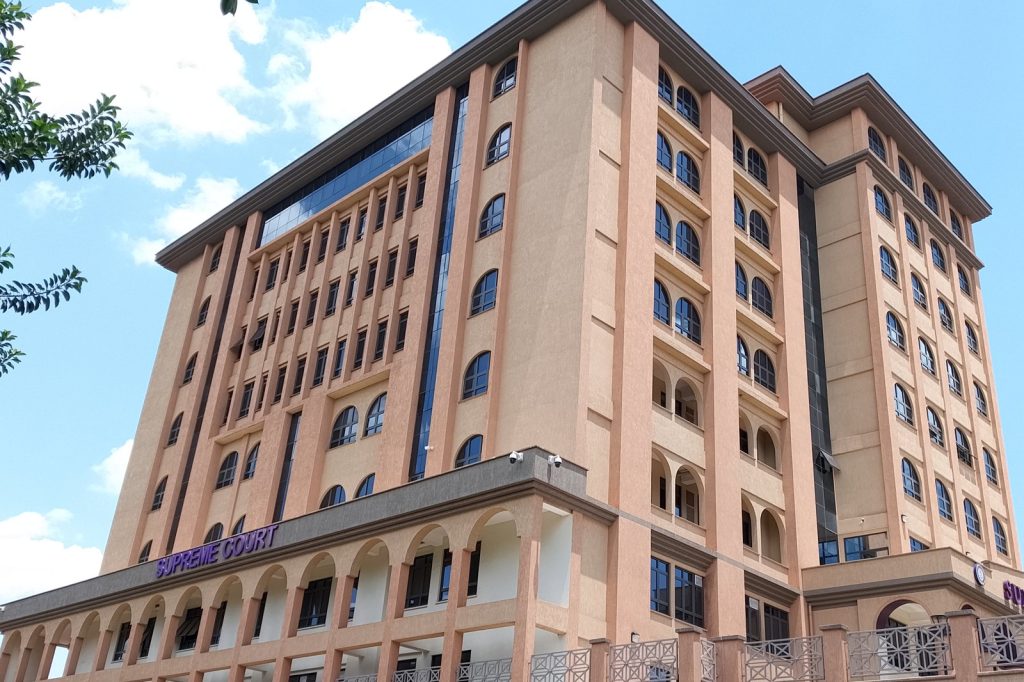
The Supreme Court will receive sh7.38b of that overall sum. Salary and allowances for the justices take the biggest position within that court’s budget.
The court’s bench includes justices Monica Mugenyi, Christopher Madrama, Mike Chibita, Dr Lillian Ekirikubinza, Chief Justice Dr Flavian Zeija, Percy Night Tuhaise, Elizabeth Musoke, Stephen Musota, Catherine Bamugemereire, and Muzamiru Kibeedi Mutangula.
What this means for patients of the justice system — and make no mistake, litigants are patients of a sort, people in distress seeking a remedy — is that the human side of the equation is getting funded first. Judges’ pay and benefits are the bedrock; without that, nothing else works.
The allocation of sh7.38b to the Supreme Court represents a significant investment in the country’s highest judicial body. Behind the breakthrough in budgeting is a recognition that the courts need predictable funding to function.
For families waiting on land disputes, inheritance cases, or family matters that have been stuck in the system, the hope is that more money for case management means faster resolution. That is the human side of a budget line item.
The judiciary’s spending plan puts people first — the people who work in the courts and the people who come to them for justice. Whether the money will be enough to clear the backlog of cases remains to be seen.
What to watch next: how the lower courts spend their share of the case management money, and whether the sh7.38b for the Supreme Court translates into faster decisions for the families waiting on them.




